
Misguided Kansas vaccine law puts politics before our children’s health | Opinion
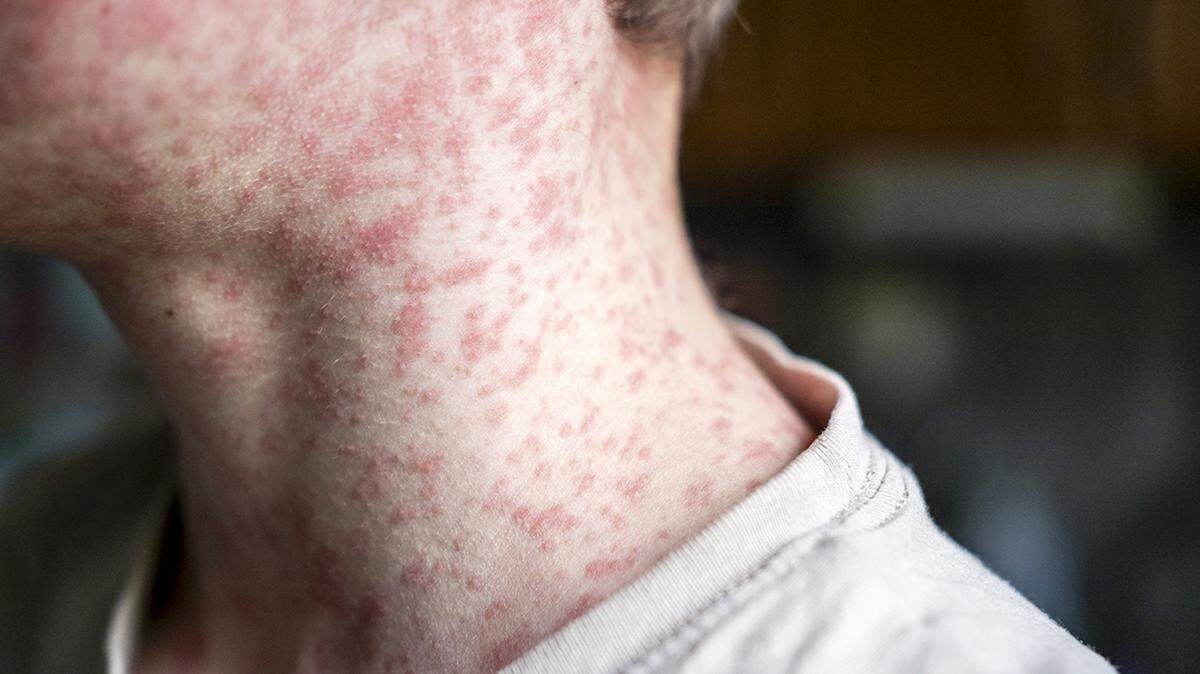
Vaccination is one of the greatest public health achievements in history. It protects individuals, saves lives and strengthens entire communities — especially our children. Yet in 2025, as Kansas faces a dangerous measles outbreak and falling vaccination rates, our state leadership chose to weaken vaccine protections for children in child care settings.
With the passage and signing of House Bill 2045, Gov. Laura Kelly and the Legislature made it significantly easier for parents to exempt their children from required vaccinations before entering child care. As a pediatrician and a state senator from different political backgrounds, we strongly opposed this decision — and we reject claims that concerns about the bill are “misguided.” In truth, this legislation puts children’s health at risk.
Kansas has required vaccines for school since 1961 and for child care since 1992, with accompanying religious and medical exemptions processes. These requirements have stood the test of time and science. The Centers for Disease Control and Prevention estimates that between 1994 and 2023, routine childhood vaccines prevented more than 500 million illnesses, 32 million hospitalizations and more than 1 million deaths — saving society nearly $3 trillion in the process.
Vaccination is not a political issue — it is a matter of medical science. Yet H.B. 2045 reflects a political decision that disregards expert guidance. It adopts vague, broad language allowing any parent to claim a “moral or ethical” reason for refusing vaccines — making enforcement nearly impossible.
Supporters argue this change simply aligns child care and school vaccine policies. That’s false. Kansas school law for vaccinations still requires that a religious exemption come from a “religious denomination” with specific beliefs. The new child care law requires only a “sincerely held belief,” regardless of religious affiliation or even actual belief in vaccination.
This shift wasn’t thoroughly debated. The vaccine provisions were quietly added late in the legislative process without hearings or testimony from medical professionals. If this change was sound policy, why avoid public input?
This decision also ignores the rights of vulnerable children, those too young or too medically fragile to be vaccinated, who rely on herd immunity for protection. Vaccination isn’t just about individual choice — it’s about public responsibility.
The ongoing measles outbreak, including in one author’s senate district, is a wake-up call. If Kansas continues to roll back vaccine protections, we will pay dearly — in lives lost, in hospital costs, in long-term disabilities and in avoidable outbreaks.
We urge a different path forward. Expand access to vaccines. Invest in community education. Support providers in having conversations with families. And, most important, include public health experts in these critical decisions.
The cost of a vaccine is minuscule compared to the cost of disease. Kansas children deserve leadership that prioritizes their health and safety. H.B. 2045 failed that test. We must do better — before it’s too late.