
As measles cases rage, Kansas lawmakers quietly make it easier to opt out of vaccines | Opinion
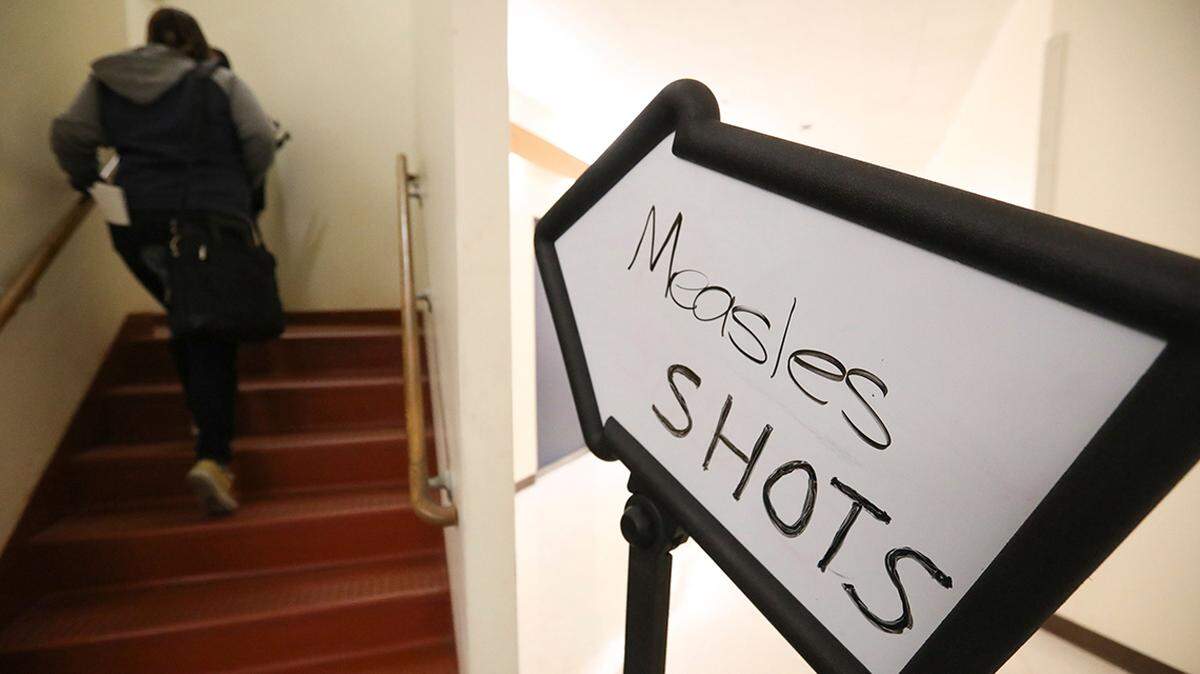
There are 480 cases and counting in a measles outbreak that has spread to 20 states and resulted in the deaths of two children so far. Kansas is one of those 20 states, with 23 confirmed cases, and most of the infected are unvaccinated. Measles is a disease that was considered eradicated in the United States in 2000 thanks to what we know works: getting the vaccine.
I serve as the CEO for Nurture KC, an organization supporting mothers and babies in Kansas City. Babies are some of our most vulnerable when it comes to contagious disease. We count on pregnant women getting their vaccinations so that they can pass on immunity to their children. We also count on herd immunity to keep our babies safe during the time in which they are not yet receiving vaccine protection. Our children do not receive their first dose of measles-mumps-rubella vaccine until they are 1 year old.
Against this backdrop, the Kansas House adopted a child care bill containing a committee amendment that allows for more people to opt out of vaccines for their children in child care facilities through a de facto philosophical objection. It is the very definition of irony that legislation intended to improve child care now increases our children’s risk of disease when they walk through the door.
How did this come to pass? The amendment did not go through the public hearing process, nor was it vetted through the committee that should have jurisdiction over health policy. Instead, our vaccine policy in Kansas came through the Commerce Committee with no discussion, presented as a “technical” amendment. Make no mistake: This addition to the bill was not a spontaneous decision but appears to be an agreement reached for passage and enactment of the underlying bill if the bipartisan vote for approval is any indication.
Final approval of the legislation has not been reached yet, as the legislation awaits action by a state House-Senate conference committee, another process that does not allow for public input. A change of this magnitude deserves and demands a public hearing and not the backroom politics that will weaken our protection from disease and potentially serve as a building block for anti-vaccine policy in subsequent years.
For the last five years, public health and the efficacy and safety of vaccines have been under attack across the nation and right here in Kansas through disinformation, conspiracy theories and debunked studies. This has resulted in legislation aimed at gutting our child vaccine requirements and undermining the expertise and evidence that has protected us for so long. There are those who will claim that the expanded vaccine exemption is already a reality because of our religious exemption. This assertion ignores the big picture that is playing out nationally and locally. The constant drip of misinformation has almost certainly played a role in our declining vaccine compliance rates in Kansas.
Broadening exemptions to basic public health measures through law sends a loud and clear signal that vaccines are not the necessity that we have known them to be for more than a century. This action emboldens those for whom this is just the starting point in a quest to remove the vaccine schedule altogether and downplay disease risk in comparison to vaccination. A return to the days of polio and measles is unacceptable and completely preventable.
This effort comes under the guise of individual freedom. Unfortunately, that individual freedom to forego vaccines can cause great pain and even death, particularly our children. It is time to reinstate the social contract that has served us so well. Let’s meet this inflection point with a return to the evidence-backed tools that favor the scientific process over the political one.