
Period poverty is a global problem. Kansas has power to help | Opinion
The 2025 Kansas legislative session, which wrapped up on April 11, focused mostly on divisive social issues — rather than addressing the economic challenges that Kansans are currently facing. Senate Bill 107, a sales tax exemption for period products, diapers and incontinence products, was introduced by Wichita-area state Sen. Oletha Faust-Goudeau in January. However, the entire session went by without so much as a hearing given to the bill.
As we all grapple with the rising cost of everyday goods, eliminating the sales tax on these essential items products would give relief to approximately half of the Kansas population, and also contribute $8 million in taxpayer savings in the next fiscal year.
When people can’t afford access to menstrual products, they may risk health complications by relying on unsanitary items such as socks, experience shame when they bleed through their clothes, or decide not to attend school or work. Twenty-nine states have already exempted these items from sales taxes in recognition that these purchases are not optional — they’re essential to Kansans’ health care and well-being.
Menstrual products are not the only essentials that can be tough on budgets: Diaper purchases force some families to make tough choices just to afford diapers or other household items for their children, which is why I believe diapers and baby products should also not be taxed at the cash register.
In some states, including Kansas, prescribed medical devices and prescription drugs (including erectile dysfunction medications for men) are exempt from sales taxes. Despite menstrual products being basic medical necessities, they are not treated equally.
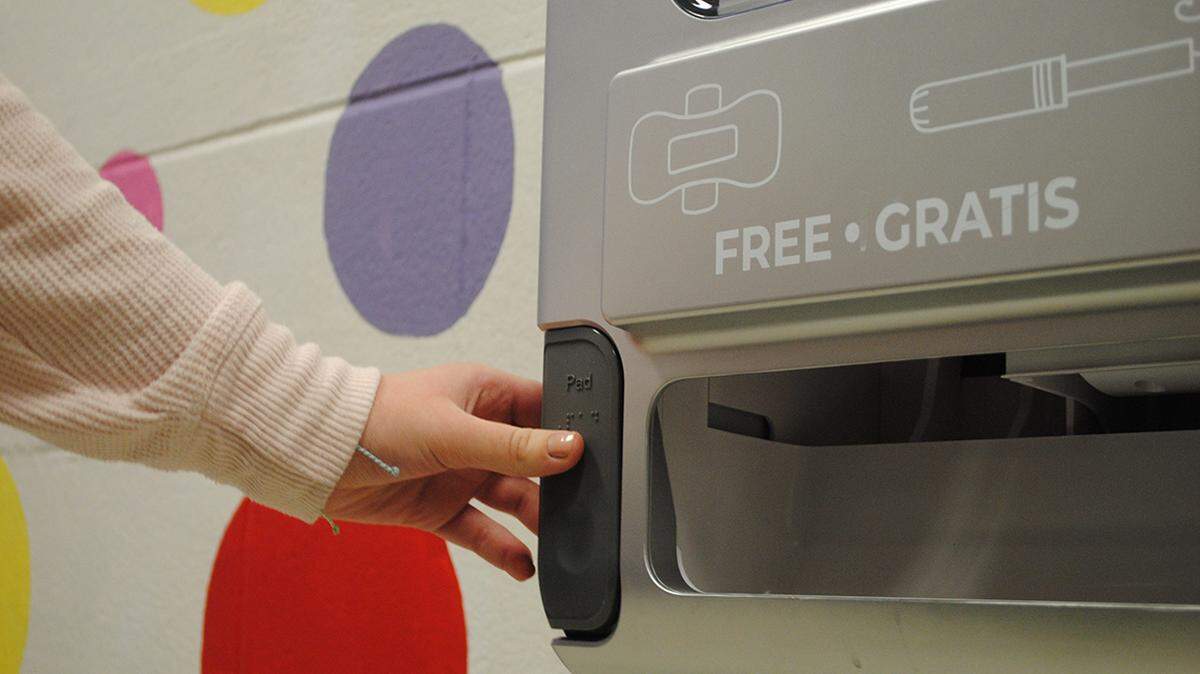
Menstruation is a normal bodily function that should not be stigmatized. Besides elimination of the “tampon tax,” we need comprehensive and accessible education around menstruation to eliminate the stigma and shame associated with periods. I am calling on our elected officials to support policies that fund free menstrual products in public schools, restrooms, correctional facilities and shelters.
Providing free menstrual products in public spaces would give people back the dignity to participate in everyday life without shame or fear. Providing these items in our schools would increase school attendance, reduce classroom disruptions and help young people focus on their education.
From high school students in Lawrence, to college students in North Newton, to community members in Russell, Kansans across the state are working on their own to address period poverty — or the lack of access to menstrual hygiene products — through direct aid and raising awareness. Period poverty is a global problem, but we have the power right now to change how it impacts Kansans.
Gov. Laura Kelly has voiced her support for the repeal of this sales tax, and it’s now time for our lawmakers in Topeka to pass this commonsense relief.