
Haskell Indian Nations University lost faculty, staff after Trump administration cuts | Opinion
Haskell Indian Nations University was seemingly in the middle of a rebirth. Then the Trump administration happened.
More than three dozen faculty and staff at the university’s Lawrence campus were fired on Valentine’s Day, more than a quarter of Haskell’s workforce. It was part of a sweeping effort by the Trump White House and Elon Musk to essentially strip the federal government for parts — Haskell falls under the U.S. Department of the Interior — without regard for the work those employees did, or the harms that might result in letting them go.
In Haskell’s case, that means (among other things) some students found themselves suddenly without instructors — mentors, really — to teach their spring semester classes.
The students are taking it personally. They should.
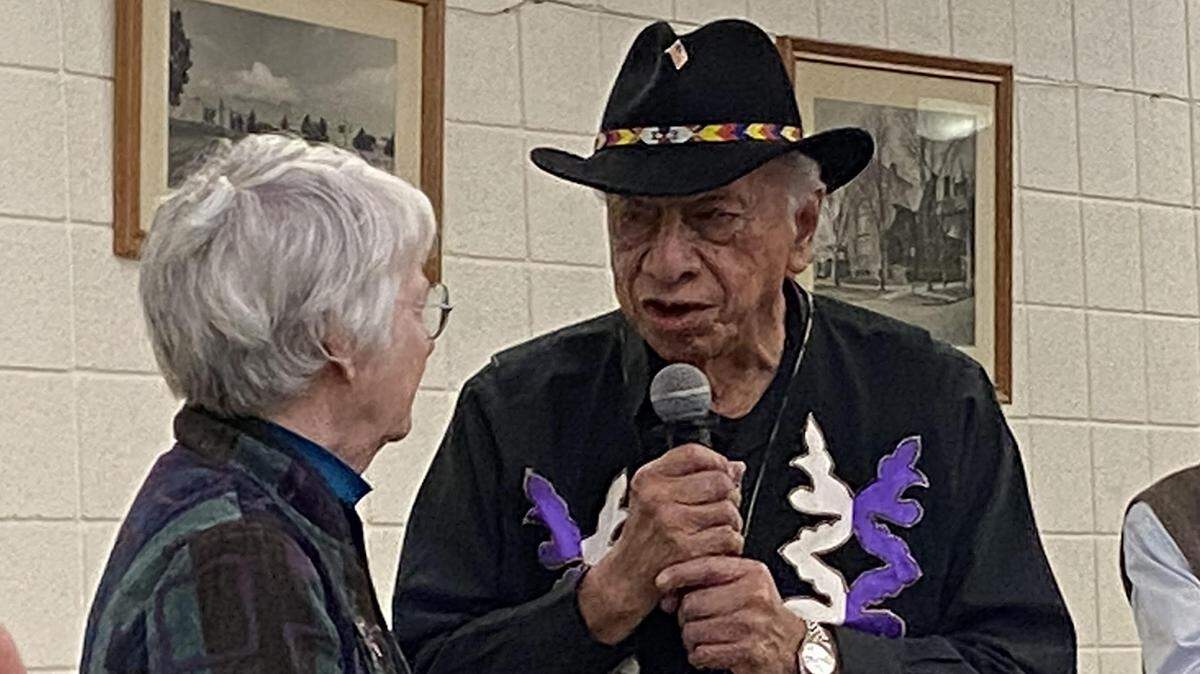
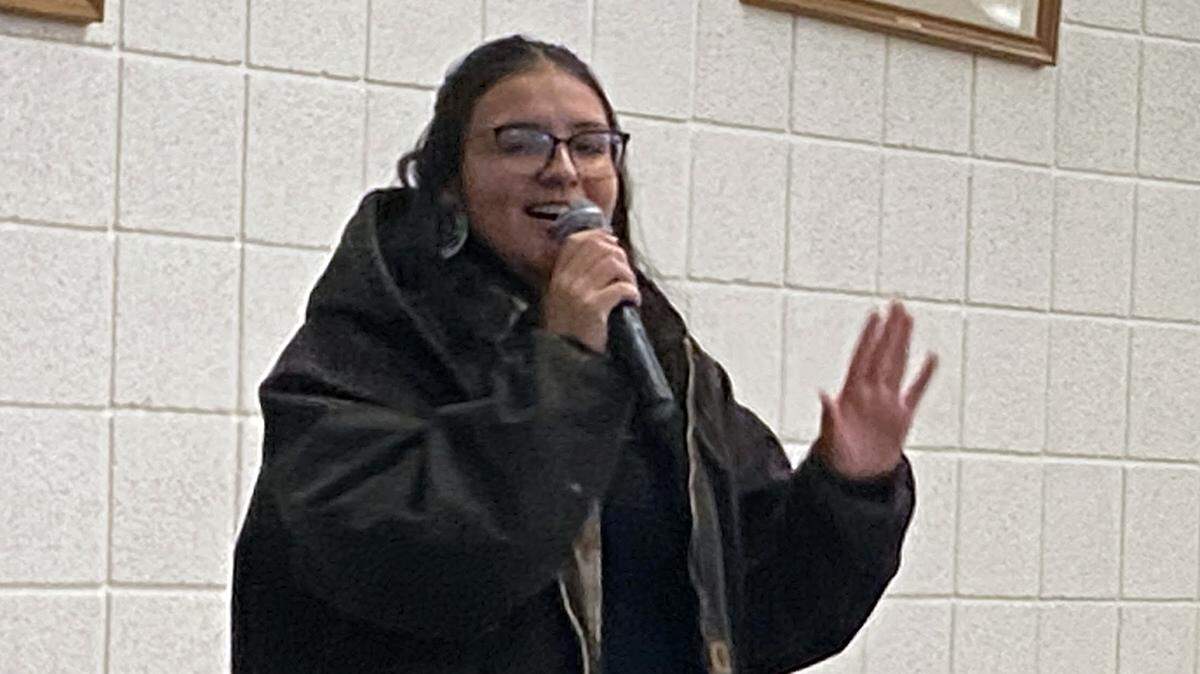
“They came for Haskell because they know Haskell is hope for Indian Country,” Angel Ahtone Elizarraras, sophomore president of HINU’s student government, said Friday night at a jam-packed rally filled with hundreds of students, faculty, staff and Lawrence community members.
“These students have lost more than instructors,” she added later. “They lost family.”
Native school’s dark history
There will be a million sad, enraging stories to come out of the Trump administration’s vivisection of American constitutional government. But I hope you’ll pay attention to what’s happening at Haskell, if only because it is inextricably bound up with some of the darkest moments in U.S. history.
After all, Haskell began life in 1884 as one of the infamous boarding schools created by European Americans to strip young Native Americans of their tribal identity brutally, to assimilate them into whiteness. There are, by one count, the graves of 103 Native children on the Haskell campus.
Unlike many of those institutions, HINU eventually transformed itself into something better: a Native-led university now intended to serve — instead of erase — the cultures of more than 100 tribal nations across the country.
“It’s a place for students that are native, they don’t have to explain themselves like they would at another institution,” Venida Chenault, Haskell’s former president, told me Friday.
It hasn’t always been easy. The COVID-19 pandemic shattered the student population. (Full disclosure: I was briefly a volunteer at Haskell’s writing center before the pandemic hit.) But HINU had reportedly rebuilt enrollment, up to about 1,000 students — who attend tuition-free — and officials were thinking about setting a goal of admitting 1,100 students this fall.
Rebirth was in the air.
Instead, the cuts mean the university may be able to enroll only 800 students — a lost opportunity for those other 300. And there are worries about whether the institution can survive.
For some members of the Haskell community, it feels like a history of trauma and betrayals is repeating itself.
Haskell has endured “140-plus years of adversity, trauma, transition,” Eric Anderson, a historian on faculty, said Friday night. “Native people have weathered these storms for a long time.”
‘We need your help’
For now, the search for solutions is underway. Daniel Wildcat, a longtime faculty member — and former interim president — told Friday’s rally there is diminishing belief the cuts might be reversed, despite the advocacy of Sen. Jerry Moran and Rep. Tracey Mann. (Wildcat said he was not speaking for the university.)
Instead, there’s hope the Haskell Foundation can raise funds to bring back the fired faculty and staff.
“We need your help,” Wildcat said.
Even if those efforts are successful, considerable damage has been done.
“I have grandchildren attending classes at Haskell,” Steve Cadue, a Kickapoo Tribe elder, said Friday night. “They’re almost in a trauma situation about their classes being canceled.”
In the meantime, all that can be done is what Haskell has done over and over again across 140 years: Persevere in the face of painful loss and shabby treatment.
“There isn’t time to wait,” Anderson told the rally. “We have to fight now.”
And keep on fighting, apparently.
“I believe that Haskell will persevere,” Chenault told me. “That’s what it’s been.”
This story was originally published February 22, 2025 at 2:36 PM.