
Kansas City has a jail crisis because new council members don’t learn from experts | Opinion
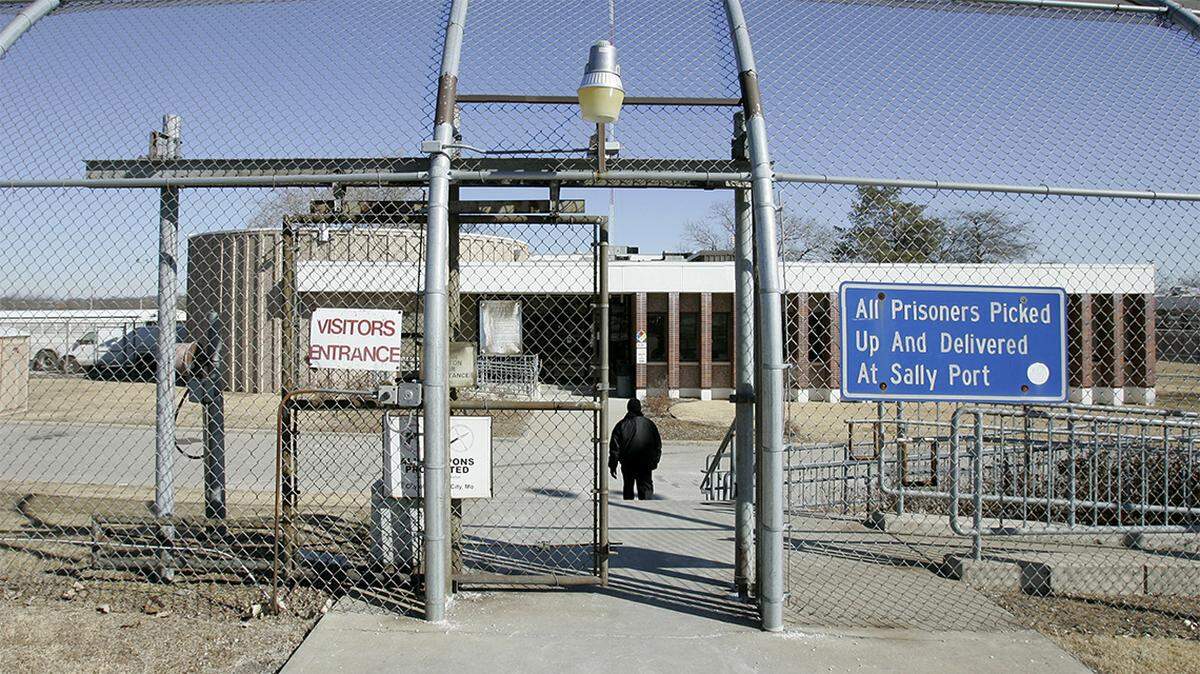
I was a municipal judge in Kansas City from 2001 to 2019 and was taken aback by Melinda Henneberger’s recent column concerning Kansas City inmates held in the Vernon County, Missouri, jail. I couldn’t help but think back about the old Municipal Correctional Institution, commonly referred to as “The Farm,” which was run by Nancy Leazer and her very compassionate and professional staff when I was a judge.
It’s worth pointing out that:
- Leazer was a very compassionate leader who constantly sought to help inmates.
- She and her staff did some remarkable things with very little help from the city.
- The city totally failed to consult her and others with deep institutional knowledge on how best to house inmates at both the pretrial and post-trial phase to create a long-term plan on caring out this important administration of justice responsibility.
The old MCI building was not in good condition, and the city made a decision to raze it and contract with Jackson County to house the inmates. It’s likely that in the short term, this saved the city money in not having to pay the salaries and fringe benefits of city jail employees. What is hard to fathom about the City Council is that when council members are elected, and they naturally have zero institutional knowledge about their responsibilities, they often go about trying to put their stamp of change on a system they neither know nor understand.
For example, members of the old council put themselves in a position to be totally dependent on Jackson County to house inmates when the county had no interest in doing that. That might have been a quick fix for that council, and saved the city money in the short term, but they took that action with no long-term plan to fulfill their responsibility to house and treat inmates. Newly elected council members should have some humility about their lack of knowledge and consult the professionals who have done their jobs for years in crafting a continuing plan to carry out this difficult and complex task.
The inmates of an inner city court, many of whom are repeat offenders, frequently have complex, expensive and intractable ailments: homelessness, mental illness, substance addiction, post-traumatic stress disorder, serious physical health problems, lack of personal and social support and more, and very often a combination of several of these problems. When old council members are term-limited out and new officials are elected, they should rely upon the expertise of the professionals who are in a position to help create an enduring solution to fulfilling difficult responsibilities. How to house city offenders, both at the pre- and post-trial phases, is a difficult, expensive and complex responsibility. It’s become a crisis when newly elected officials don’t do their homework to try to understand how to solve this criminal justice riddle prior to eliminating a system that works. It becomes a humanitarian crisis when the city contracts with an out-of-town institution that doesn’t have the expertise, interest or concern to address the complex problems of city offenders.
Doing away with compassionate and caring professionals who sincerely strive to help troubled individuals was a mistake. They need to be recognized and respected for the work they do. These were the professionals who ran the old MCI and they, and the inmates they housed and helped, deserved better.
And finally, the public deserves to have a local administration of justice system that effectively addresses the complex problems of chronic offenders in an effort to reduce recidivism and make Kansas City a more safe, livable city. That is an investment in the administration of justice worth making.