
Hunter Biden’s pardon is understandable. That doesn’t mean it’s good for the country | Opinion
Mercy is good. Favoritism? Not so much.
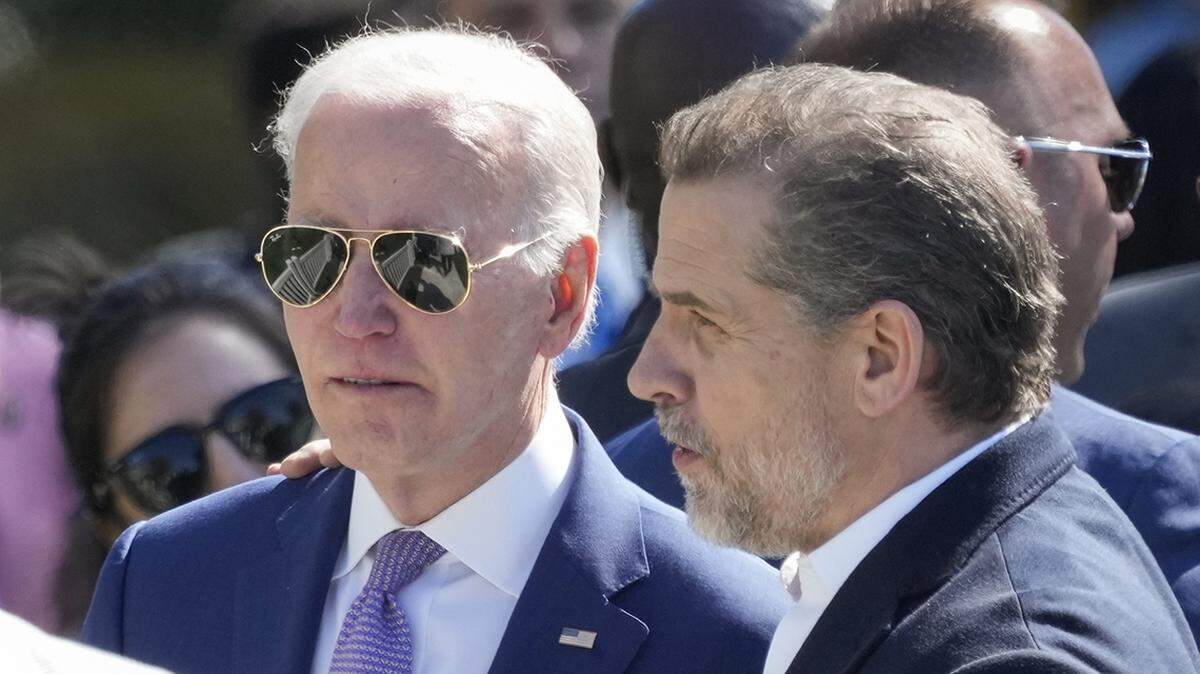
So I have mixed feelings about President Joe Biden’s decision to pardon his son, Hunter, from his federal convictions on tax and firearms charges. The outgoing president also gave Hunter a “get out of jail” card for any other federal crime he might have committed during the last decade, just in case.
“I hope Americans will understand why a father and a president would come to this decision,” Biden said.
And you know what? It is understandable. If you had the power to spare your child from suffering, wouldn’t you be at least tempted to do the same thing?
“Understandable” is not the same thing as “wise,” however.
And it’s definitely not the same thing as “good for the country.”
Biden, after all, told Americans repeatedly that he was going to let the justice system run its course. That he wouldn’t intervene in his son’s case.
He broke that promise. And that’s a bad thing.
Why? Not because Donald Trump will suddenly have a precedent to point to when he takes office next month and starts pardoning Jan. 6 defendants. The president-elect doesn’t need an excuse to give his cronies unmerited privileges. He issued plenty of unsavory pardons during his first term. Remember Roger Stone?
The problem here is that Biden spent the last five years casting himself as the last, best defender of the integrity of the American system. Letting your own son off the hook — even if you happen to think the charges were unmerited — sure doesn’t look like an act of integrity.
The appearance of a conflict of interest matters. It always has.
For a few Americans — MAGA-curious but not MAGA-committed — Biden’s pardon will be just one more reason to ignore the alarm bells Democrats try to ring whenever Trump’s corruption emerges into public view over the next few years.
As it surely will.
A few years ago, one of those MAGA-curious Americans — a buddy of mine since childhood — told me Trump’s flagrant wrongdoing didn’t bother him so much because he figured everybody in Washington, D.C., was crooked or self-serving.
Thanks to President Biden, it’s just a little more difficult to argue against that kind of cynicism today.
Echo of Mike Parson’s Britt Reid commutation
Funny thing: I came into this week planning to praise Kansas Gov. Laura Kelly for her relatively liberal use of clemency power. The Kansas Reflector reported last week that Kelly has issued 10 pardons and seven commutations during her term in office.
Which isn’t a lot. But those 10 pardons exceed the number issued by her four predecessors combined.
The pardons will benefit former convicts “who have taken responsibility for their actions and are working to move on with their lives,” Kelly said in a press release.
Across the border in Missouri, outgoing Gov. Mike Parson has issued literally hundreds of pardons during his time in office. That’s quite an accomplishment for a former sheriff with a law-and-order bent.
A criminal conviction “doesn’t mean they’re a criminal all their life,” Parson told the Associated Press last year.
Good. People deserve second chances when they earn them.
For the most part, these pardons and commutations go unnoticed by the public. The only exception, really, is when they look like an abuse of power. Parson stirred national attention and anger earlier this year, for example, when he commuted the DWI sentence of Britt Reid, the son of Kansas City Chiefs coach Andy Reid.
It’s good when we temper justice with mercy. Unless that mercy looks like a gift bestowed by powerful people to friends, family and business partners who get to cut to the head of the line for acts of clemency.
Britt Reid’s commutation didn’t pass the smell test. Neither does Hunter Biden’s pardon. We need more mercy. We could use a bit less favoritism.
This story was originally published December 2, 2024 at 2:03 PM.