
It will take more than traffic enforcement to fight the danger on Kansas City streets | Opinion
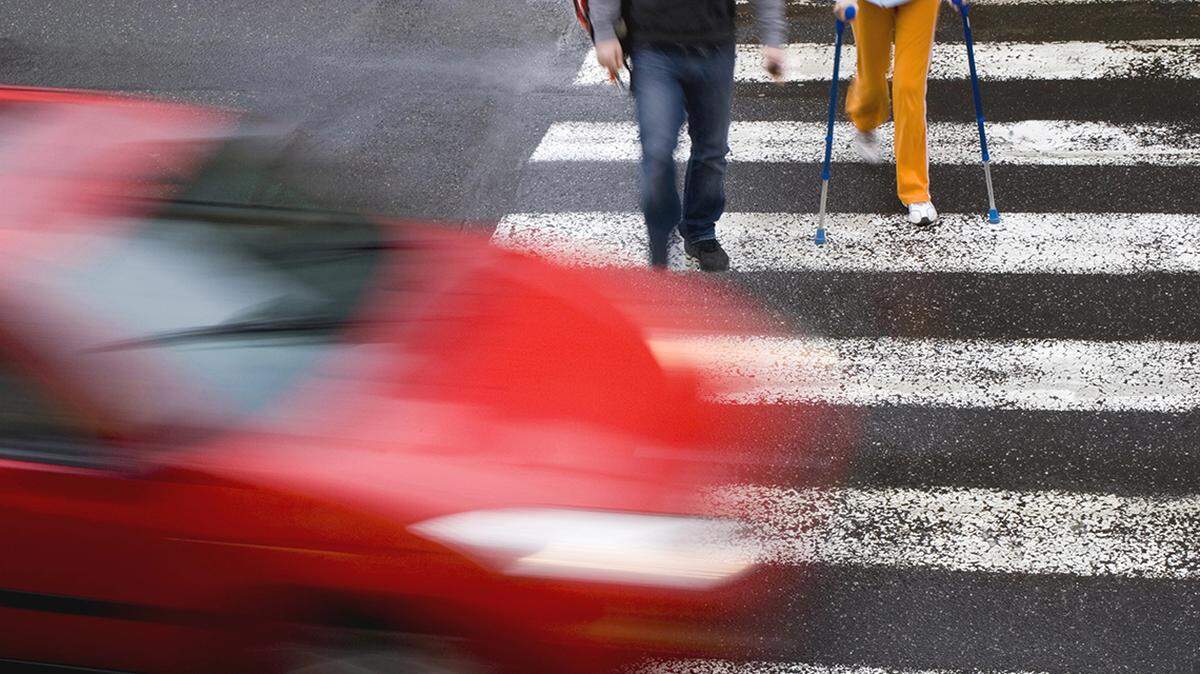
The worst part of my job is having to console the loved ones of someone killed by traffic violence. That familiar pain in their voice is haunting. It’s made all the worse because, more often than not, the crash that led to that friend or family member’s death was preventable.
While I disagreed with many of the points made in a recent Kansas City Star news story about traffic violence and enforcement, I sympathized with Kansas City Police Department Sgt. Jonathan Rivers when he explained how tired his officers were of “telling family members that someone has died in a collision that was totally preventable.”
I wish decreasing traffic injuries and deaths were as easy as merely increasing traffic enforcement. It’s an understandable response, but it’s not the response we need. What Kansas City is experiencing is a bigger problem than traffic stops alone can solve.
Two topics missing from The Star’s story are driver education and safer vehicles.
According to Kansas City’s Vision Zero Action Plan (which has the goal of eliminating traffic fatalities and serious injuries by the year 2030): “Young drivers are involved in 28% of all fatal and serious injury crashes. The top age ranges were people between 20-34 years old. To achieve Vision Zero in Kansas City, we must focus behavior change efforts towards younger drivers and provide drivers education programs.”
Driver education courses have dwindled. This lack of education may explain why Missouri has the second-highest rate of failed driver license tests (written and on-road) of 34 states analyzed.
The KCPD should use its resources to prevent more crashes from happening, but how it employs those resources must evolve. Instead of saying, “We need safer streets,” we also need the police department to say, “We need safer vehicles on those streets.”
It means advocating for intelligent speed assistance technology in new and existing vehicles. The National Highway Traffic Safety Administration used this technology in U.S. trials with young drivers and frequent speeders. It found “reductions in speeding and compliance with speed limits.” This technology can save lives, but it means Kansas City police must work with organizations such as ours to advocate for it in Jefferson City and Washington, D.C.
The Star article relied too much on one national source — the Governors Highway Safety Association — to argue that increased enforcement will reduce traffic violence. This group is increasingly out of step with other national organizations, which correctly note that increased enforcement will not lead to fewer crashes and fatalities. Those organizations include the National Association of City Transportation Officials, Smart Growth America, the Safe Routes Partnership and the Vision Zero Network itself. The Star goes on to voice critics’ implication that the death of George Floyd has led to a decrease in enforcement, and thus an increase in traffic violence. Such logic is not only false — it is dangerous.
There is a racial and class component to consider when talking about traffic crashes. Some streets often have more lanes than necessary, lack adequate pedestrian and bike infrastructure, and ultimately divert resources from people who need them most. They are dangerous by design, and an overreliance on enforcement will never address that core problem. As the Vision Zero Action Plan points out, 68% of fatal and serious crashes happen on just 13% of Kansas City’s roads — roads that run through predominately minority and low-income neighborhoods.
Traffic violence is a multifaceted problem. No one actor or entity can solve it. The combination of unsafe vehicles, unprepared drivers and hazardous streets require a multipronged approach. That’s why we shouldn’t place the burden for stopping traffic violence on the police alone.
Traffic violence is an epidemic. To address it meaningfully requires us to be honest about what we’re up against and what must change to keep our loved ones safe. That means that media outlets such as The Star have to tell the full, nuanced story. It also means that organizations such as BikeWalkKC need the Kansas City Police Department’s help to tell our decision-makers what has to change. That’s how the sad stories we tell today can have a better ending tomorrow.
Michael Kelley is policy director of the 501(c)(3) nonprofit BikeWalkKC.