
The KC Streetcar’s goal was never riders. But it hasn’t succeeded at its true purpose | Opinion
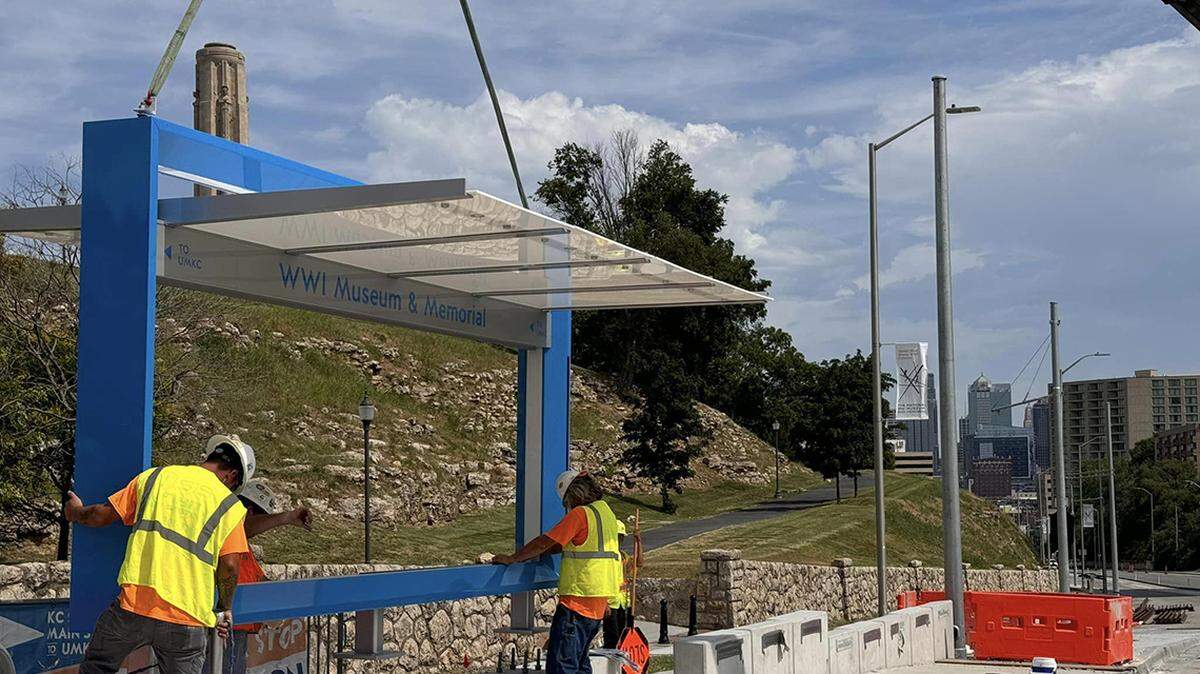
As the KC Streetcar prepares to extend south to Country Club Plaza and north to the riverfront, it’s reasonable to ask if the project has been successful.
First, you’d need to understand the streetcar’s purpose. Most people think of it as public transportation. But the KC Streetcar hasn’t added any transit options that weren’t already offered by bus. In fact, streetcars are enormously expensive compared to regular buses or bus rapid transit such as the MAX bus lines running along Troost and Prospect avenues. When streetcars are unable to run because of cold weather, hot weather, a breakdown, a car accident, a shooting or other features of everyday life, buses do the job.
None of this is new or unique to Kansas City. We’ve known for years that streetcars are bad transit options.
In fact, streetcars are such an outrageously expensive form of transit that supporters don’t even think of them that way. Russ Johnson, former member of the Kansas City Council and Streetcar Authority board of directors said at the groundbreaking of the initial downtown line: “The stated goal of this project is economic development. That’s the dominant goal. The dominant goal is not to have a lot of people ride it. The dominant goal is to develop the city.”
He’s not alone. One website referred to streetcars as “a city-building tool — and by most accounts a very successful one.” The piece went on to assert that Portland, Oregon’s streetcar created the hottest real estate market in the city.
The KC Streetcar website makes the same claim: “The entire community is looking to the Downtown Streetcar to fuel economic growth. By promoting development, raising property values, attracting businesses and residents, and helping to redefine our city, streetcars benefit everyone.” Elsewhere, it claims that the area around the streetcar line “has welcomed more than 40 development projects totaling about $1.8 billion in economic activity.”
While that may be true, it’s misleading. New projects taking shape all over downtown have nothing to do with the streetcar. Which begs the question: What new development has happened because of the streetcar?
No research indicates that streetcars drive economic development. Even Portland, which built a line and then saw increased development along the route, made it clear that taxpayer subsidies played a role in the development; it wasn’t the streetcar itself.
Certainly a lot of people like the streetcar. Last year, the Kansas City Streetcar Authority conducted a customer survey of its riders. Almost 9 in 10 riders indicated their overall rating of the streetcar was “very” or “somewhat satisfied.” And why not? The streetcar is free and most survey respondents walk to it.
Except streetcar passengers aren’t the customers — they are the product. The customers are the businesses along the route funding the streetcar through a “special assessment” similar to a property tax. They supposedly benefit from the streetcar’s economic development, increased property value and additional sales from streetcar passengers. We don’t know if businesses are satisfied, because although they are the actual customers, the Streetcar Authority doesn’t survey them.
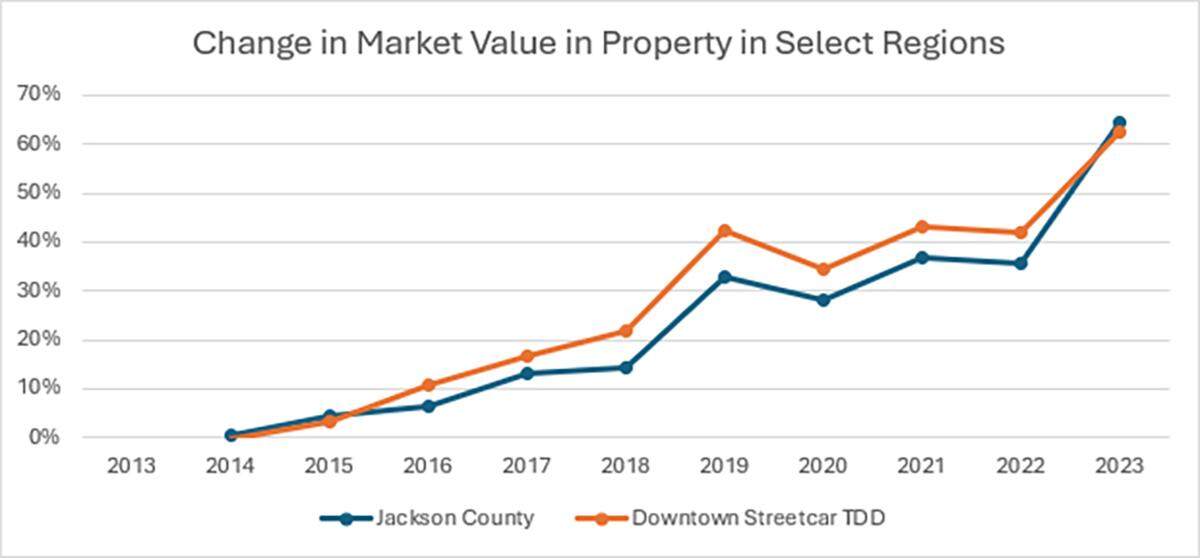
One possible reason: The streetcar has not raised property values at all. According to Jackson County, the aggregate market value of the original streetcar transportation development district has grown at the same rate as the entire county for each of the past 10 years. In other words, the economic development benefit of the streetcar, measured by property values, is zero.
Even anecdotally, commercial real estate professionals don’t conclude that development along the streetcar line has outpaced the rest of the city.
The KC Streetcar hasn’t added additional transit capacity. It hasn’t raised property values or been a city-building tool. And streetcars don’t curb congestion or get cars off the road. They certainly aren’t green; 66% of the electricity used to power the streetcar today comes from coal.
So has the streetcar been successful? The numbers say no.
Patrick Tuohey is co-founder of Better Cities Project, a 501(c)(3) nonprofit focused on municipal policy solutions, and a senior fellow at the Show-Me Institute, a 501(c)(3) nonprofit dedicated to Missouri state policy work.
This story was originally published July 7, 2024 at 5:07 AM.