
It’s good KC is getting on board with composting — but don’t shut down local farmers | Opinion
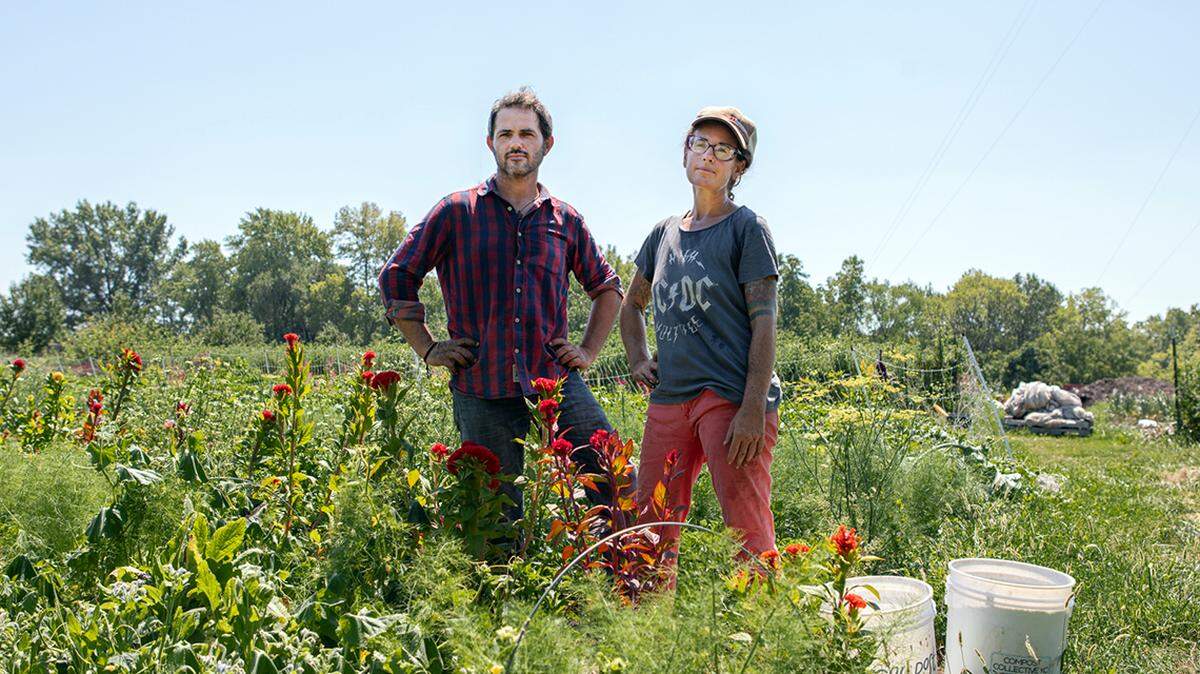
To diversify its methods of waste collection, Kansas City recently launched a new program for composting as part of the Kansas City Climate Protection and Resiliency Plan. But, in the process of trying things out, it’s nudging people out who are already composting successfully on a large scale. Right now, people that have made tremendous progress on these issues in Kansas City are being excluded from the conversation.
Assistant City Manager Melissa Kozakiewicz recently told Star reporter Natalie Wallington that the city is trying to be “as innovative as possible and open-minded as possible” with its drop-off composting program. She said, “We’re excited to try out a couple different types of things, see what works, and go from there.”
Why not just try what local small business owners and farmers already know is working? Many organizations in Kansas City are already active in transforming the perception of composting and urban sustainability — and they need support. To mention a few: Urbavore Urban Farm, Compost Collective KC, KC Farm School at Gibbs Road, Cultivate KC, New Roots for Refugees, Sankara Farm, Young Family Farm KC and more.
For example, Compost Collective KC, owned by Brooke Salvaggio and Dan Heryer of Urbavore Urban Farm, has faced major challenges to its survival over the last several months, stemming from issues with Kansas City’s planning department. Salvaggio says that the city reversed a previous permission that allowed them to invest more than $500,000 in their urban composting program. They have not been able to get a clear answer from the city as to why permission was reversed. To challenge these violations legally could mean paying a small fortune, and it could be the end of Compost Collective.
Knowledge to collect waste, produce healthy food
The people at Urbavore Urban Farm have been at the forefront of composting in Kansas City for over a decade, so they know the business. They started a cultural change around waste diversion when they opened their free compost drop in 2011 (which is still active) with a grant through the Mid-America Regional Council. Then, Urbavore took ownership of Compost Collective KC in 2021, which now has more than 3,000 subscribers.
Salvaggio said: “Many of the roadblocks urban farms come up on, we have already been through or paved the way for. In terms of composting specifically, no other urban farms are really doing it at this scale, so it is uncharted territory, but with explicit city approval back in 2021, we had no reason to believe our efforts would be thwarted.”
Urbavore Urban Farm and Compost Collective KC take in 20,000 pounds of food waste every single week at their 13.5-acre farm near Swope Park. Last week alone, Urbavore produced $10,000 worth of healthy food for the community fueled by this compost. This food waste, Salvaggio explains, is “turned into nutrient-rich compost that goes directly on the farm fields at Urbavore.”
Salvaggio wishes that the city had followed up with them for input on the new composting program, because she says that they could have helped.
Without the dialogue and experience already created by organizations like these, Kansas City would not have the ground to move forward with their initiatives. The city owes them transparency at the least, and ideally, an invitation to collaborate with less red tape. If the city heard from these voices regularly, as an integrated part of implementing its Climate Protection and Resiliency Plan, it could help make the cultural change they seek.
In the spirit of the “innovation” and “open-mindedness” that Kozakiewicz aims for, I call on Kansas City to host an open forum and empower local climate trailblazers such as Urbavore to continue doing their important work. The city should also demonstrate the values presented in the climate plan with helpful attention to the emergency at Compost Collective KC and Urbavore Urban Farm.
Turn red tape into open arms. Help those who already have their hands in the dirt.