
Want Black KC to trust anti-crime plan? Dig deeper and commit to justice, equity
As the national spotlight shines on racism, police accountability and the Black Lives Matter movement, many have retorted, “Why not focus on Black on Black crime?” to shift the narrative and consciously suggest that victims of a racist and unjust society are solely responsible for the byproducts of this unjust system, such as crime, poverty and failing schools.
A look at 2019 Kansas City Police Department crime data reveals that the homicide rate increases significantly as you traverse across our city from vibrant, well-developed communities to blighted, broken and marginalized neighborhoods in the urban core. Instead of focusing on the contextual elements that contribute to crime and violence, many stop their analysis after the racial demographic breakdown. So what came first: community disinvestment or high-crime communities?
A historical analysis on the development of Kansas City suggests that racism, geography and the real estate industry conspired to systematically, intentionally and overtly create pockets of divestment, exclusion and segregation in predominantly Black neighborhoods. This orchestrated urbanism playbook continues to exacerbate poverty, cripple school systems and perpetuate blight.
These inequitable patterns of economic development are enduring and egregious. They are complicit contributors to the crime and violence that plague our communities. I am neither excusing nor condoning violent crime. However, any reform project that attempts to address violent crime without addressing and dismantling the structural racism that impinges upon justice and absolves policing from accountability is a non-starter.
Justice is defined as possessing righteousness, equity or moral rightness. In the broadest sense, justice ensures that people get what they rightfully deserve. The U.S Constitution clearly articulates the rights, privileges and protections of all citizens. The reality for African Americans is that justice is often denied us.
Justice works swiftly to address Black on Black crime, but it is often slow when crimes are committed against Black people by the very systems that are supposed to protect us. Cases in point include President Donald Trump’s Operation LeGend and Missouri Senate Bill 600, which Gov. Mike Parson signed this summer. Operation LeGend deployed more than 100 federal agents into Kansas City to solve homicides and reduce violent crime. Senate Bill 600 allows for mandatory sentencing and harsher punishments for felony offenses as deterrents to rising crime in predominantly Black communities in St. Louis and Kansas City.
These policies and practices are emblematic of how structural change is often accelerated against poor Black people. In contrast, action becomes bottlenecked and subverted when the Black community demands equity, structural reform of racist systems and swift and just accountability for law enforcement. Consequently, the recently-announced Reform Project KC purports equity, but inadvertently supports systemic racism by failing to address the social contributors to crime. Additionally, the project fails to define a framework to hold the police department accountable for the role it plays in homicides and the use of excessive force against the Black community.
We need a plan to replicate aspects of Senate Bill 600 and Operation Legend to address officers who violate the oath of the Fraternal Order of Police. We need a strategy to mitigate and neutralize the collective bargaining agreement that gives vigilante police officers more rights than victims of rape and homicide. We need a comprehensive city plan to address the inequitable distribution of quality schools. We need a plan to rightsize development in blighted communities, because all children need safe play spaces and quality affordable housing. And we need a plan to increase skills and access to livable wage jobs. In short, a collective impact approach is needed, rather than yet another failed attempt to solve this seemingly intractable problem.
An abiding, community-based commitment to public safety requires trust. Trust cannot be earned until the fullness of justice is affirmed, executed and upheld. When the leadership of Kansas City is ready, the community’s political and civil rights organizations, along with our multiracial allies, are standing up and standing ready to assist.
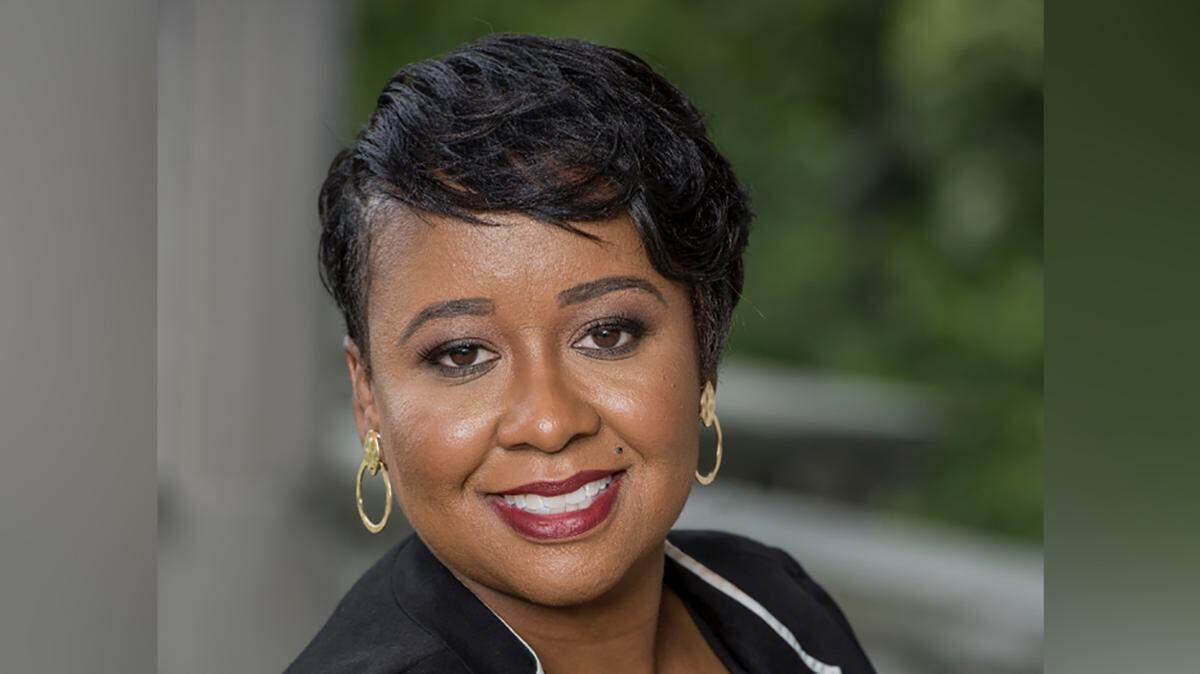
Cokethea N. Hill is board chair for the Urban League of Greater Kansas City and vice chair of the Kansas City Plan Commission. She is founder and CEO of BLAQUE Kansas City, a 501(c)(4) nonprofit committed to significantly improving the academic, economic, social, emotional and life outcomes of African American children in public schools. She holds a master’s degree in counseling psychology from Avila University and a doctoral degree from the University of Kansas in educational leadership and policy studies..