Kansas overpays jobless checks for years and now wants the cash back. Really? | Opinion
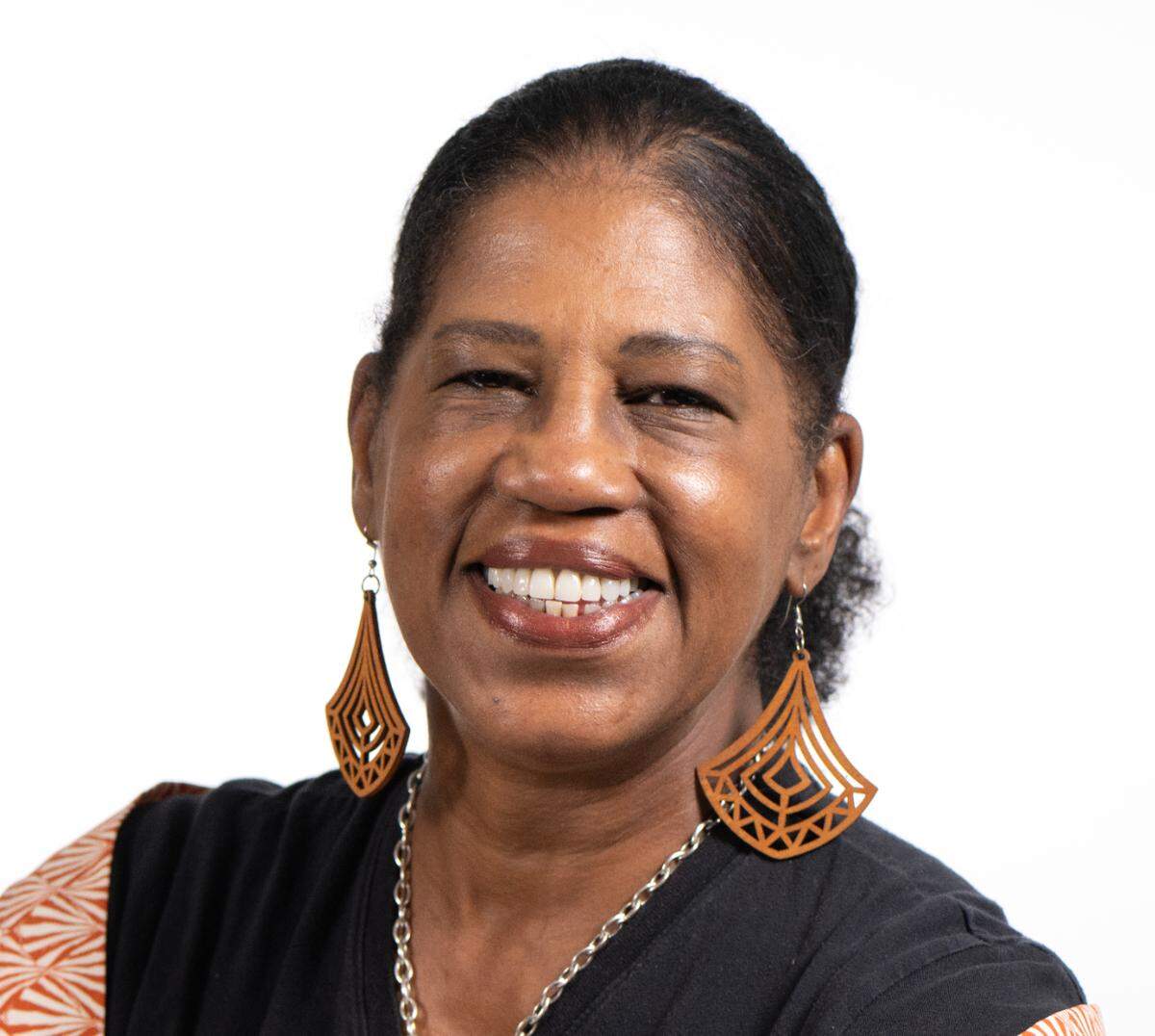
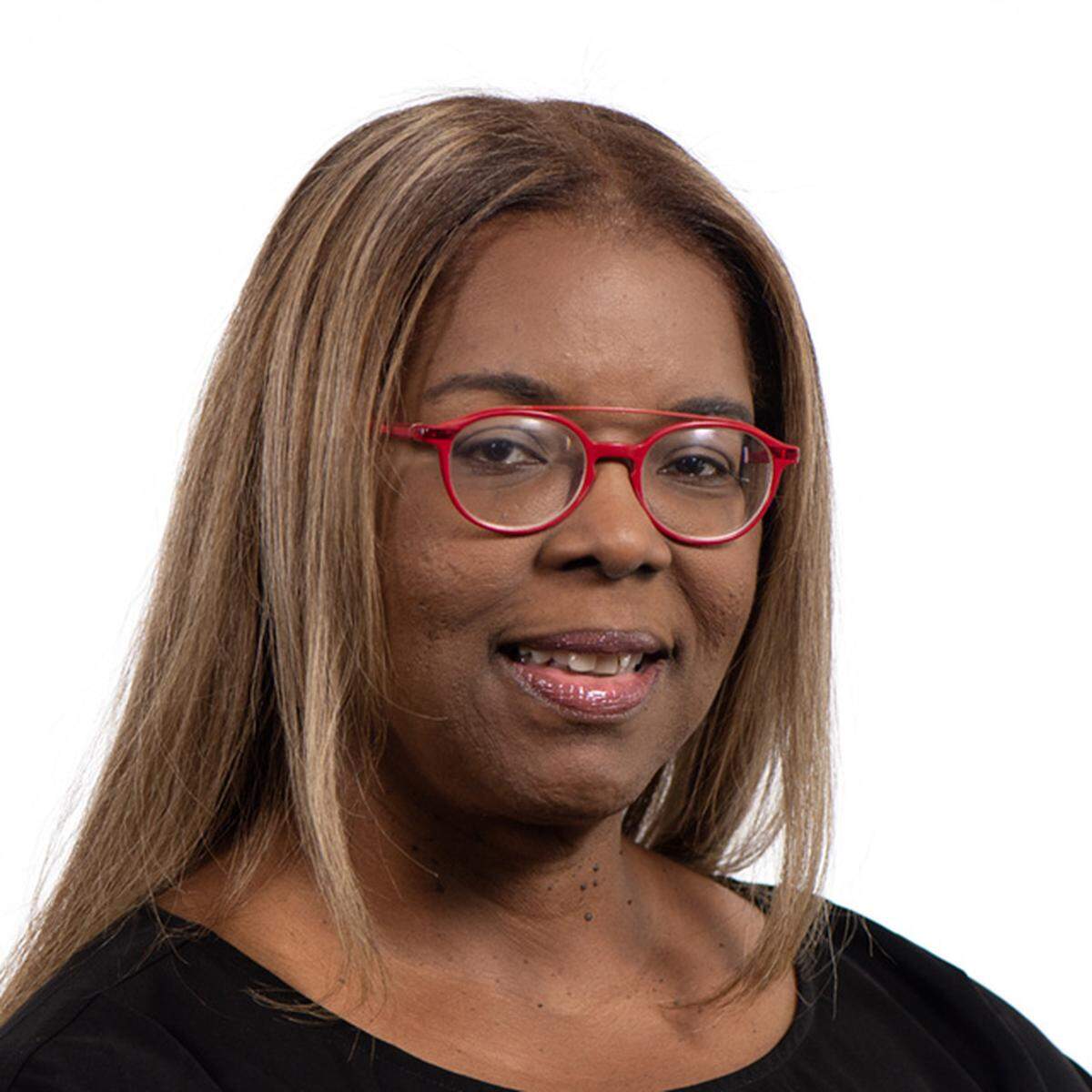
Editor’s note: Welcome to Double Take, a conversation from members of The Kansas City Star’s Opinion team. This week, editor Yvette Walker and Senior Columnist Mará Rose Williams tackle news surrounding Kansas unemployment payments with differing perspectives and respectful debate.
Mará Rose Williams: When I first heard that the Kansas Department of Labor was asking thousands of Kansans who had collected unemployment over the last seven years to pay back some of that money because they had been wrongly overpaid, I must say I was a bit ticked off, to say the least.
I wanted to write a commentary giving the government department a piece of my mind, basically telling them to leave these poor folks alone. I wanted to tell the DOL just to eat the loss and do better going forward.
Thursday, the department sent notices of overpayment to more than 8,500 people, telling each of them they owed a portion of a collective $67.4 million in unemployment insurance that had been overpaid between Jan. 1, 2019, and Jan. 1, 2026.
Yvette Walker: I was right there with you when you said the government should eat the loss — $67.4 million over seven years. How could anyone expect unemployed (or formerly unemployed) people to pay it back?
MRW: Right. Some of the overpayments that people would be asked to pay back could be as much as $5,000 or more, but more than half of them are less than that.
Originally, I figured if you had recently been unemployed, you might be strapped for cash and repaying that kind of money could be a hardship. It would certainly set me back, and I’m working steadily every day.
But after learning that the money these good Kansans had likely long spent would return to the Kansas Unemployment Insurance Trust Fund and be used to pay claims for other unemployed folks in need, I changed my mind. Not paying it back isn’t thumbing your nose at a government agency, — it’s thumbing your nose at your neighbor, colleague, family member, or even yourself should you end up unemployed again.
YW: That’s a hard sell for me, Mará, no matter where the money will be returned to. And think about it this way: That $67.4 million is about 0.26% of Kansas’ $26.8 billion of spending in the 2026 budget. Less than 1%. The DOL should find another way without traumatizing jobless people. About your concern that money will go back to the trust: If the money isn’t repaid, will it bankrupt the system?
MRW: No, it won’t. The Unemployment Insurance Trust Fund is financed by employer contributions. The maximum unemployment insurance payout in Kansas is $637 a week. The DOL paid 1.5 million claimants during the seven years in question. Fewer than 1% were contacted about overpayments.
But to me, repayment goes to the idea of supporting your fellow citizens and helping to keep the system, which is designed to help us all, remain healthy.
YW: I hear what you’re saying, but — what’s the adage? — that’s like getting blood from a turnip.
I know the first question many people will have is, “Whose fault is it?” In this case, the DOL is pointing fingers at people who may have incorrectly completed a work search or provided an incorrect reason for losing their job, Amy Selm, deputy labor secretary told the Kansas Reflector.
But it’s not the first time these agencies have had failures in unemployment systems, especially around the pandemic. Remember when Kansas Labor Secretary Delía García resigned in 2020 due to problems with administering unemployment benefits, including giving 4,500 people duplicate payments? At least now they aren’t automatically withdrawing the money from people’s accounts.
It’s just too much of a burden to recoup money from over too long a time period. Plus, the little money that people receive in weekly unemployment benefits in Kansas — between $159 and $637 — has been long since spent and not even thought of. Do you remember your paycheck from 2019? I sure don’t.
MRW: It was not the first letter sent to these folks. Apparently, according to DOL officials, the department has reached out more than once. Some were sent three letters, letting them know the money is owed, how much and how they can resolve the issue.
Recognizing that in today’s world, some letter recipients might initially think the letter was a scam, the DOL asked them to call the department or head to the official website. People were given options: Pay in full, set up a payment plan or inquire about qualifying for a waiver. I think that’s fair, because if you really can’t pay the money back, maybe you get a pass.
“We want to work with anyone in this situation,” Derek Helms, a spokesman for DOL said in an interview this week. But, he added that claimants would need to respond to get the help. Besides, I would hate to see people end up having their future wages garnished. Legally, the DOL could go after the money that way.
YW: If people actually committed fraud, that’s a different matter, and they should return the money, but I don’t get the sense that’s the majority here.
MRW: I don’t really see it as a whose-fault-was-it matter, unless it was the DOL’s fault and then yeah, the claimant probably shouldn’t be held liable. I’m told that sometimes claimants get payments, based on the information they provided, that they weren’t eligible to receive. Maybe they forgot to include some income or miscalculated it.
But these overpayments are not uncommon. What’s unusual here is that so many of them landed at one time, said Nicole Struckhoff, DOL’s deputy for the unemployment insurance tax division.
Some of the blame falls on the pandemic when DOL saw an increase in claims. Overpayments from that time “did not generate until now,” Struckhoff said in an interview. Plus DOL has a new automated system that is more efficient in identifying overpayments.
I want to know that the Labor Department is doing everything it can to be good stewards of the dollars they are responsible for, including helping folks who need the help, paying them what they are due, updating systems for accuracy and fairness and fixing mistakes when they can.
This story was originally published April 30, 2026 at 5:08 AM.