‘It’s definitely been rocky.’ Inside a Black student’s experience at Mizzou | Opinion
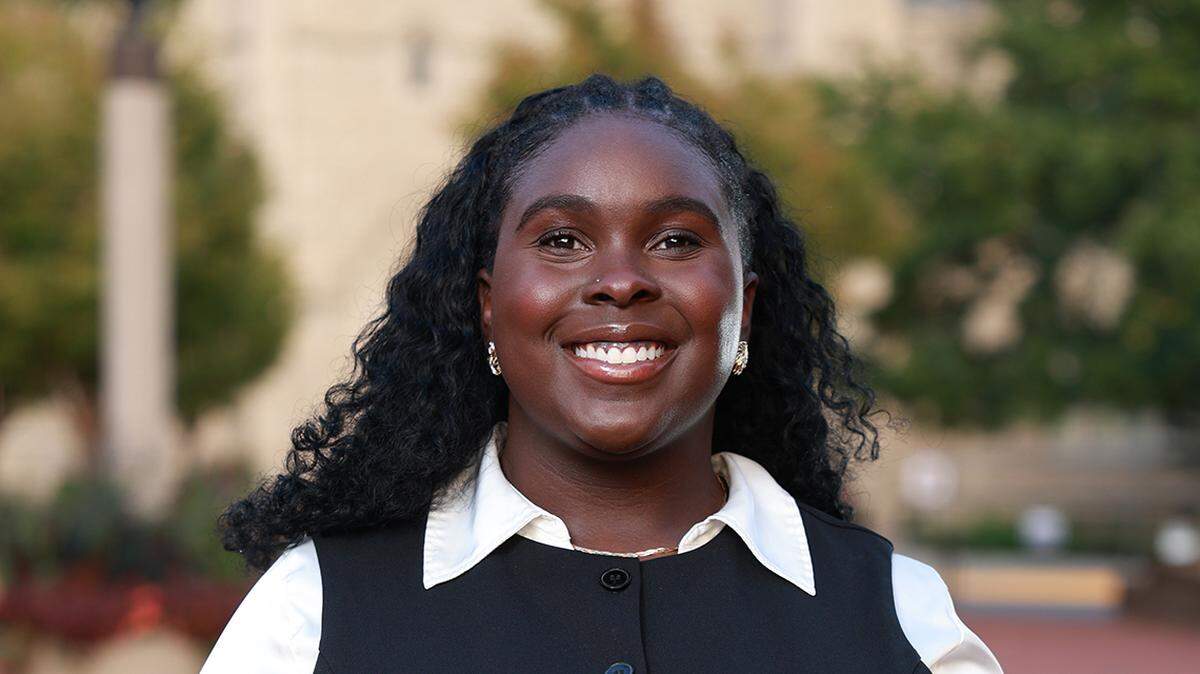
When Amaya Morgan, a junior at the University of Missouri, graduated from Raytown High School in 2023, she said Mizzou was not her first choice. She wanted to study film, and applied at The University of Southern California and New York University. She got denied and turned her attention to journalism.
“These other schools that I applied to, I only applied for film. The only school I applied for journalism was Mizzou. I wasn’t doing journalism anywhere else besides Mizzou.”
But she found cultural challenges there when she enrolled in documentary journalism and film studies: Black students represented 5% of the undergraduate study while 79% of the student body was white that year.
Morgan, a second-generation college student — her mother attended Mizzou as well — described being an African American at a predominantly white institution as challenging.
“It’s definitely been rocky,” she said. “I went to a more predominately Black high school, so getting here was a huge culture shock. I, for one, have never been called the N-word until I got here to Mizzou.”
Morgan is president of Mizzou’s Legion of Black Collegians. She doesn’t speak for all Black students there, but she did provide some insight on what she and other Black undergrads have gone through since arriving on campus. Just recently, the school stripped the student-led organization and at least four other minority affinity groups of their annual funding.
The LBC will no longer be recognized as a student government at Mizzou starting in July, with a significant drop in funding from $60,000 to about $3,000. Founded in 1969 to protest racist ideology on campus (back then, Mizzou students used to wave the Confederate flag at home football games and sing a racially insensitive pre-Civil War song originally written for a minstrel show), the funding cuts were painful for Morgan and other Black students, she said.
Mun Choi responsible for funding cuts
“I was very, very, very upset,” she said. When I’m angry, I cry. So, I definitely was crying in that meeting because I was like, this is really stupid. Like, you guys keep consistently taking away from us. It’s like somebody’s tripping you and you get back up and then they just keep tripping you until you’re on the ground. I was just extremely pissed.”
University of Missouri System President Mun Choi said he was responsible for the recent cuts. Citing a nonbinding memo on unlawful discrimination from the U.S. Justice Department, Choi said he did so to protect the university.
“It wasn’t an easy decision, but I decided that I needed to protect the institution, so that’s the decision that I made,” Choi said at an April 8 faculty meeting, KCUR reported.
When I asked Morgan about this, she said she did not agree with Choi’s decision — and neither did I.
At a public university such as Mizzou, all students need to feel seen, heard, safe and supported. Morgan said she doesn’t feel valued on campus.
“I can understand being at a point in time where things are pushing down (from) the federal level on you, things are pushing down on the state level, and you have a decision to make as a leader of a public institution of, you know, how do I continue to get people to come? … But you’re the chancellor of a university. You are meant to care about the students on your campus,” she said.
Enrollment of other minority groups rising
Mizzou’s Black student enrollment is in free fall — from 2013 to 2025, the African American population at the state’s flagship campus in Columbia dropped 35%, according to the Missouri News Network, a consortium of media outlets operated by MU’s journalism school.
Using data from the National Center for Education Statistics and other sources, the network’s deep dive found the overall enrollment at Mizzou fell only about 10% during the same time period, while enrollment for other minority student groups grew by leaps and bounds.
For example, Hispanic/ and Latino student numbers grew by 78%, and the number of Asian students increased by 31%, according to the analysis. Also worth noting: Enrollment among students of multiple races grew by 75%, the analysis found.
While it was somewhat shocking to learn how steep the percentage of Black students on campus fell, I wasn’t all that surprised. I believe Mizzou is simply not a welcoming place for African American students.
String of anti-diversity efforts
In a recent column, I detailed years of racial tensions on campus and the recent dismantling of diversity, equity and inclusion programs that led me to draw this very real conclusion.
In 2015, student-led protests against racism led to the resignations of the university’s president and chancellor.
In 2023, Mizzou refused to discipline a right-wing student club leader who used a racial slur to make light of the murder of Black people during a mass shooting in Virginia.
In 2024, Choi signed off on scrapping Mizzou’s Division of Inclusion, Diversity, and Equity amid pressure from state lawmakers.
About a month later, school leaders forced the Legion of Black Collegians to change the name of its annual picnic for new and returning students, which had been called the Welcome Black BBQ, to the Welcome Black and Gold BBQ.
And last fall, Mizzou canceled the first Black to Class Block Party Morgan organized because of the word “Black,” she said.
“I told them, OK, I get it. I was taking a risk here, but I’ll change the name,” Morgan said. “I’ll make it Back to Class Block Party as long as we can still have it, and they just told me no.”
Three years into her time there, Morgan said she and other Black students feel like outsiders on campus and that was disheartening to hear.
“I would definitely say there’s a strong sense of ‘We don’t want you here,’” she said.