Mizzou was wrong to change the name of its welcome back event for Black students | Opinion
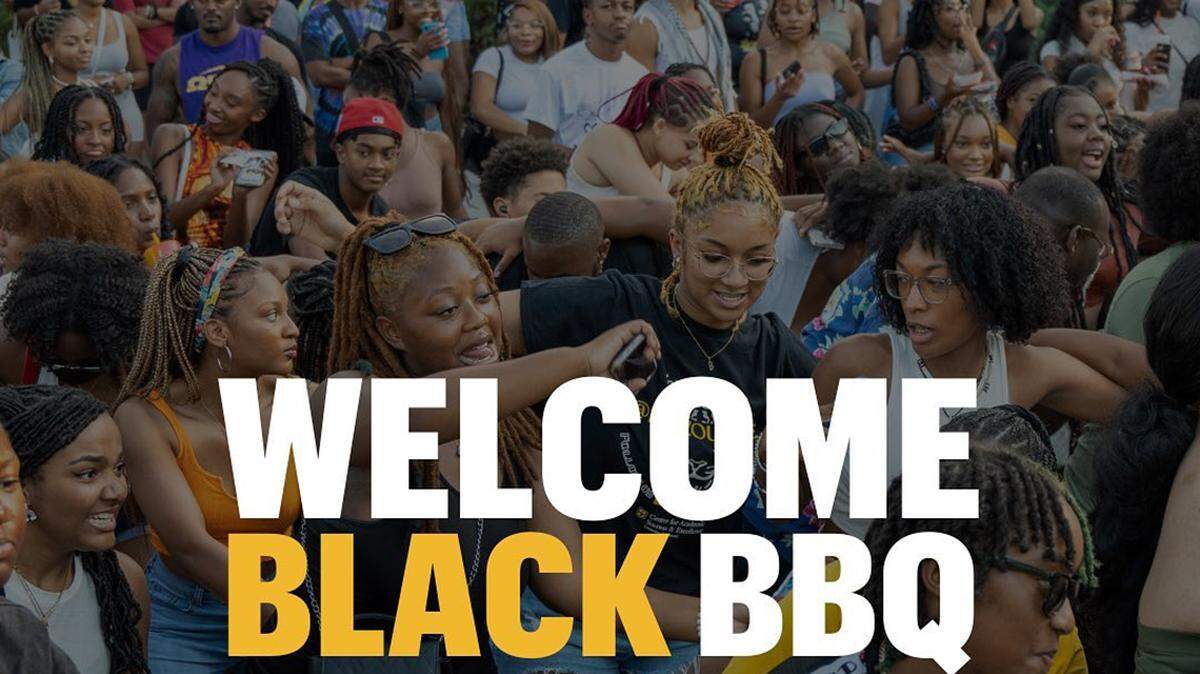
I have to admit, a Welcome Black BBQ sounds like a pretty cool picnic I’d love to attend if I were a student at the University of Missouri. But its mission to foster a welcoming environment for new and returning students of color at Mizzou is far more important.
The annual gathering, sponsored by the Legion of Black Collegians, is scheduled for Friday at the Gaines/Oldham Black Culture Center. Whoever decided it was best to rename this event Welcome Black and Gold BBQ was wrong to do so.
The change is a slap in the face to the pioneering Black students who helped build a more inclusive Mizzou. The move is disrespectful to the school’s Black alums and its current students and staff.
What’s next, stripping the Black Culture Center of its name, too? The center honors Lloyd L. Gaines and Marian O’Fallon Oldham, both of whom were credited for championing racial equality for Black students at the school.
When asked if MU System President Mun Choi was responsible for this tone-deaf decision, school officials said the name change was proposed by members of university staff and agreed upon by the event’s program committee, made up of students with the Legion of Black Collegians and other groups.
Choi signed off on a recent decision to scrap Mizzou’s diversity, inclusion and equity office. But a statement attributed to university spokesman Christopher Ave read: “Achieving excellence for all is at the core of the University of Missouri’s mission. And clearly, in striving for an inclusive university, we must not exclude (or give impressions that we are excluding) individuals with different backgrounds, experiences and perspectives. The name of this university-sponsored event was modified in collaboration with event organizers to reflect that our campus is open and welcoming to all. In doing so, we’ll achieve the excellence we seek in teaching and learning, research and engagement.”
If Mizzou is really open and welcoming to all, why dictate a name change for an event geared toward Black students? I still have yet to find an organized protest against the original name.
Student organization fought for original
In a statement released on the Legion of Black Collegians’ Instagram page, the student-led organization wrote that members fought to keep the original name. Good for them. Mizzou must not try to erase the experience or history of Black students on campus.
“We are looking into all avenues to NEVER allow this to happen again,” the group wrote. “If it does, rest assured the Legion will have nothing to do with it. The erasure of the names and visibility of our events will continue to erode our presence on this campus, and we plan to do everything we can to divest from that.”
In the post, the group touched on the importance of the event, which has become a staple for new and returning Black students to make connections on campus.
“The event itself is not changing,” the group wrote. “Although this is not the desired outcome, we still want the barbecue to remain a staple for incoming and returning Black students to make connections and find their space at Mizzou.”
The Legion of Black Collegians started in 1968 to protest white students waving the Confederate flag during the playing of “Dixie” at a MU football game, according to the group’s website. That pre-Civil War song was originally written for a minstrel show. It is considered racially insensitive. The same could be said for Mizzou’s decision to rename the welcome back barbecue.
At times, marginalized students at MU may need their own space to connect with fellow students with similar backgrounds and lived experiences. History has shown us race relations on campus weren’t all that great then or now. And this name change is the latest example of what Black students must endure at the state’s flagship university:
- Famous Black journalist and activist Lucile Bluford sued multiple times for the right to attend Mizzou’s graduate journalism school, but never enrolled there after the university closed the program in 1942 during World War II.
- The university began its football program in 1890. It took almost 70 years for the Tigers to break the color barrier. In 1958, Norris Stevenson became MU’s first Black football player.
- In 1956, Al Abram, a distant relative of mine, made history as the first Black student to accept an athletic scholarship at Mizzou in any sport. Abram played basketball for the Tigers from 1958-60. He was my late grandfather’s brother-in-law.
- More recently, who could forget the 2015 campus protests? I certainly haven’t. One student threatened a hunger strike until then-President Tim Wolfe resigned. Even members of the football program joined the call for racial and social equality on campus. The team nearly boycotted a game in Kansas City against Brigham Young University until Wolfe stepped down.
Nearly a decade later, Mizzou still has work to do in addressing the needs of its Black students. Their concerns about racial equality and a need for their own space shouldn’t be ignored. Changing the name of a signature welcome event geared toward them isn’t a good call.
This story was originally published August 23, 2024 at 5:09 AM.