Kehoe bans DEI, claiming to ensure fairness. It really perpetuates discrimination | Opinion
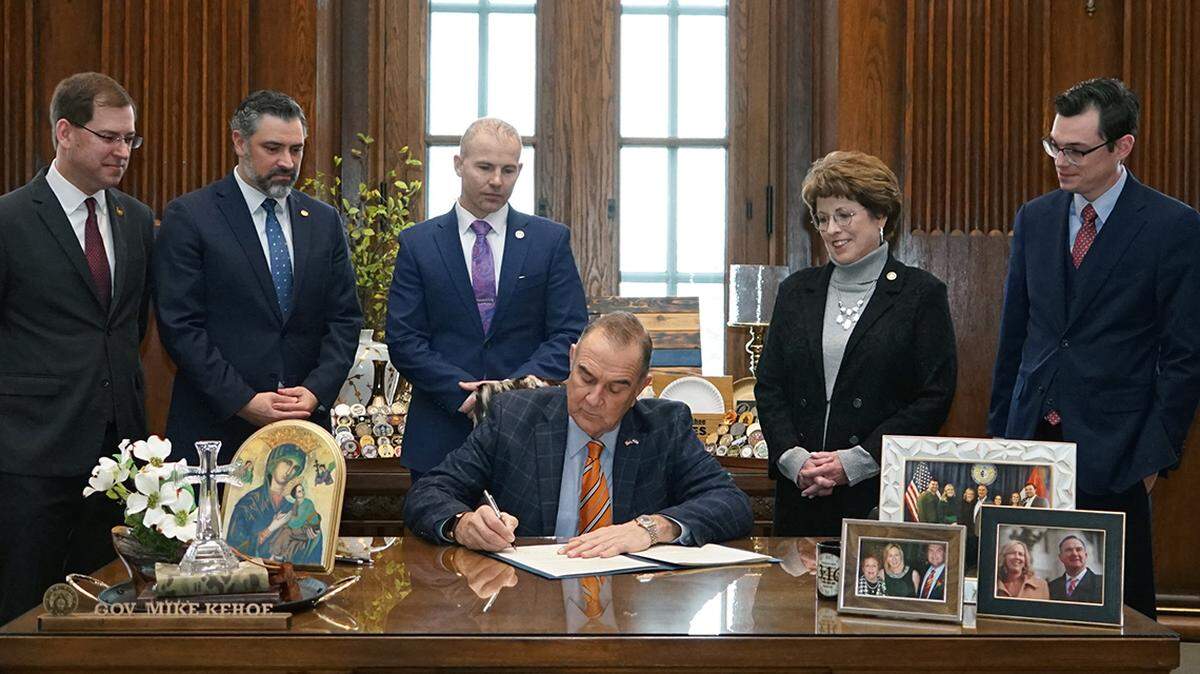
Missouri Gov. Mike Kehoe’s executive order eliminating diversity, equity and inclusion programs in state government is rooted in anti-Blackness, according to Nimrod Chapel, president of the Missouri NAACP.
“We will not sit quietly while our dignity and humanity are under attack,” Chapel said.
This week, under the guise of fairness to all, Kehoe banned all DEI programs in state agencies. The order bars the use of state funds for DEI and prevents agencies from considering DEI in their hiring decisions, according to a statement on Kehoe’s website.
Let me get this straight: The state can collect tax dollars from its working citizens but can’t spend said tax money on programs to ensure minority groups are not being discriminated against in the workplace or with public accommodations?
I’m sorry, but burying your head in the sand and pretending discrimination at work or school doesn’t exist is the definition of privilege. Ignoring these systemic issues is not a sound political strategy — or maybe it is for Kehoe and his supporters.
I’m not surprised at the first-year Republican governor’s anti-DEI stance, the GOP’s new rallying cry to make America great again. If you recall, President Donald Trump issued an executive order last month directing federal agencies to eliminate DEI programs and projects.
Kehoe’s edict follows Trump’s lead. But the order is bad policy, according to Chapel, and I wholeheartedly agree.
“The executive order from Gov. Kehoe is extremely disturbing,” Chapel said. “It is part of an anti-Black agenda that seeks to revert our nation back to segregation and Jim Crow. We refuse to go back.”
For those of us old enough to remember, the Civil Rights Act of 1964 was enacted because of rules and social practices such as Jim Crow laws that relegated Black Americans and other minorities to second class status.
Then and even now, we can still find inequities and outright discrimination in nearly every facet of American life. And it seems Kehoe wants to keep it that way. In his own words, the order reaffirms Missouri’s commitment “to a constitutional, color-blind approach that serves all citizens fairly.”
“Missourians deserve a government that treats all individuals equally, without preferential treatment or discrimination based on immutable characteristics,” he said. “Our state agencies must operate under a framework that ensures fairness, equal opportunity, and merit-based decision-making.”
Banning a practice or initiative that actually addresses systemic issues in our society does little to make life better for all Misourians. In fact, the order is rooted in racism and discrimination, according to Chapel.
DEI programs are not quota systems or affirmative action, Chapel said, adding that these practices are the foundation of a safe and legal workplace that follows antidiscrimination laws and fosters understanding among employees of different backgrounds.
His assessment is spot on.
“More importantly for state agencies, the DEI programs help service providers connect with their clients and better serve their needs,” Chapel said. “This is a step backward for everyone.”
As a nation, we’ve progressed since civil rights laws were established more than 60 years ago. To think racism or discrimination are relics of the past would be a mistake, though. Those of us who fit a nonmajority demographic understand this all too well. So do our antiracist and antidiscrimination allies.
Claims made by some Republican lawmakers such as Kehoe and right-wing extremists that DEI practices are discriminatory are unfounded.
From my perspective, dismantling white supremacy and ending discrimination based on race, gender or other factors is a good idea. So is providing equitable access to opportunities to those minority groups that have long felt the brunt of America’s oppression.
To do so means advancing DEI initiatives, not ending them.
This story was originally published February 19, 2025 at 1:05 PM.