Black men’s mental health takes center stage in Kansas City, helping the underserved | Opinion
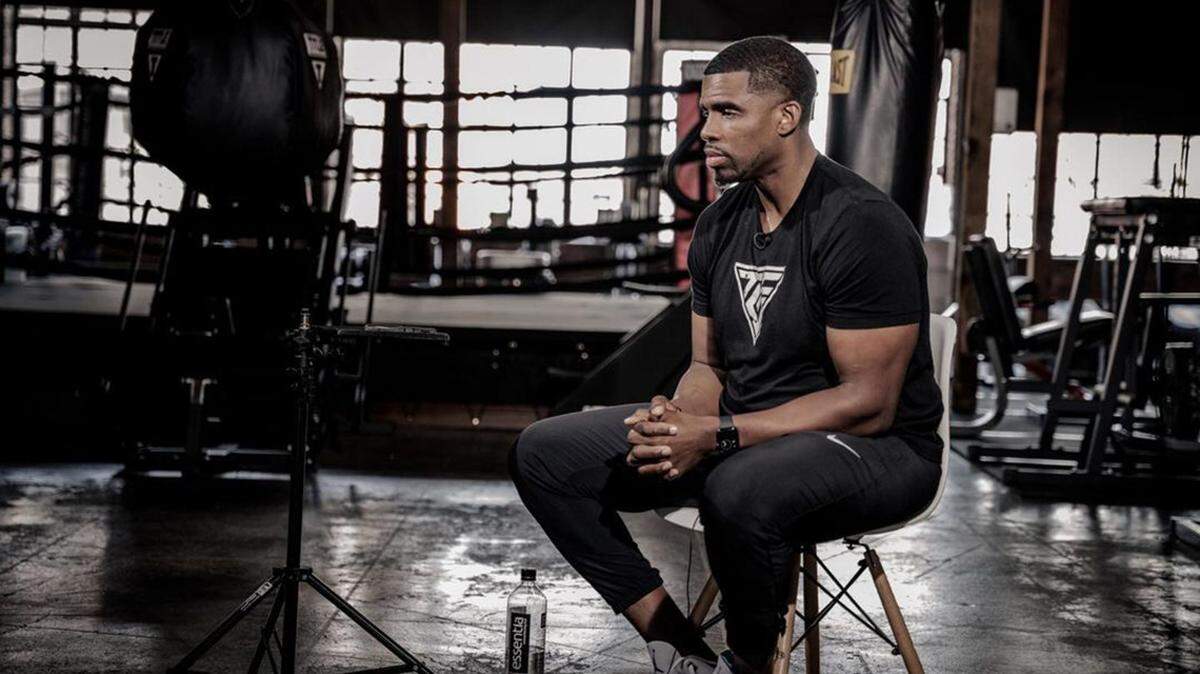
I walked inside a room on the upper floor of the Tuf Club Fitness and Wellness Center not knowing what to expect. It’s located in the River Market area of Kansas City. I was there for a new monthly gathering called “Black Men, Can We Talk?”
The program is sponsored by the University of Kansas Medical Center’s Center for African American Health, a new initiative announced last year to focus on improving the health outcomes of people from underserved or marginalized communities.
The next “Can We Talk” meeting is Dec. 5 from 6 to 7:30 p.m. at the Tuf Club, at 258 W. 3rd St. Registration is required but there is no charge to participate.
I’ll be there. And I encourage other Black men reading this to stop by, or tell someone they know.
During my first visit, my plan was to simply take notes and write a column about some of the Center for African American Health’s programming. That idea went by the wayside with relative ease.
On that early November evening, I sat among a dozen or so other Black men to discuss some of the challenges we face in our homes, communities and places of employment.
Most of the men in attendance said they were established professionals in their respective fields. Yet a few of them said they felt overwhelming pressure to exceed at a higher level than some of their non-Black counterparts.
One young man there was no older than his mid-20s and he said his goal was to be around older men he could learn from.
He wasn’t the only one there that gleaned knowledge from our elders. So did I — I’m 50 now, so I guess I am one of those statesmen a younger gent could learn a thing or two from. The point is, there is no age limit when it comes to dealing with mental health.
Because of the privileged nature of these conversations, I told organizers I would not identify participants. Both Caleb Stephens, a licensed master social worker from Lawrence and Tuf Club owner and personal trainer Jabari Washington agreed to speak to me about the importance of Black men coming to terms with their mental state.
Intimate conversations, probing questions
Stephens facilitated the evening’s discussion. Much like I did, Washington, 41, scrapped his plans to sit back and observe, and instead actively participated in group discussions as well.
So much for trying to be a sponge.
When asked why he opened his fitness center to host these monthly conversations, Washington said: “I realized in the process of changing people’s bodies the importance of the mental side of it. I wanted to have an extension of our business and what we do. Since we work from the neck down, I wanted to have something to help people from the neck up.”
Stephens roped most of us into intimate conversations with probing questions that included an inquiry of what it meant to be a Black man in America.
Some of the answers included descriptors such as emotionally strong, physically tough and a willingness to shrink one’s voice or personality when they enter a room. With some of these responses, all I could do was nod my head in agreement.
I shared how it took me years to finally come to emotional terms of the death of my 16-year-old son, Toriano II, in 2009. About 10 years went by before I experienced what I described as “that ugly cry” only a parent who has lost a child could relate to.
“One day it hit me,” I said. “I was driving from St. Louis to Kansas City and I had to pull over in Columbia. I was overwhelmed with emotions that I had held in because I didn’t want my son’s killers to think they got the best of me.”
Some of you may think that logic was plain silly. On this day, in that room, I felt seen and heard like never before. It was a safe environment I badly needed to share in and didn’t even know it.
“Thanks for sharing,” Stephens said. Others chimed in with encouraging words too. “You’ve been through it,” Stephens continued.
“But, I’m still here,” I said. “They couldn’t break me.”
Risk of depression, anxiety, substance abuse
When researching for this column, I was reminded of this sobering fact: Black men are four times likelier to die by suicide than Black women, according to the National Institute of Minority Health and Health Disparities.
Also of note: Because of many systemic and other external factors, Black men are more susceptible to depression, post-traumatic stress disorder, anxiety, schizophrenia and substance abuse, according to the institute.
According to Harvard University’s Hutchins Center for African and African American Research, many Black men like the ones I sat with at Tuf Club face limited access to psychological and psychiatric services. Black mental health professionals such as Stephens who are better equipped to understand and meet the specific needs of Black men are few and far between.
As a result, the deep stigma within the Black community is exacerbated, according to the Hutchins Center’s website.
“When you’re born into a culture that rejects ‘fragility’ and promotes hypermasculinity, you are in danger of developing toxic attitudes and behaviors that can exacerbate issues like depression, anxiety, borderline personality disorder and substance abuse, leaving you even more isolated,” the website reads.
“Black Men, Can We Talk?” is aimed at changing that narrative, said Nicole Garner, executive director of the Center for African American Health.
The goal of the monthly program is to promote a brotherhood among Black men, Garner said.
“How can we not only promote mental health for families but for Black men in our community and create a safe space to talk about issues that need to be discussed and remove the stigma,” associated with mental health, she said.
The monthly event, Garner said, is designed as a safe space for Black men to gather, share a meal — on my first visit, we enjoyed submarine sandwiches and chips — and engage in open discussions about the unique challenges they face.
On Dec. 5, I’ll be back there again. Black men in Kansas City, will you join me?
For more information or to register for “Black Men, Can We Talk,” visit kumc.edu/outreach/center-for-african-american-health