If Kansas City wants to help small businesses like Urbavore Urban Farm, I can’t tell | Opinion
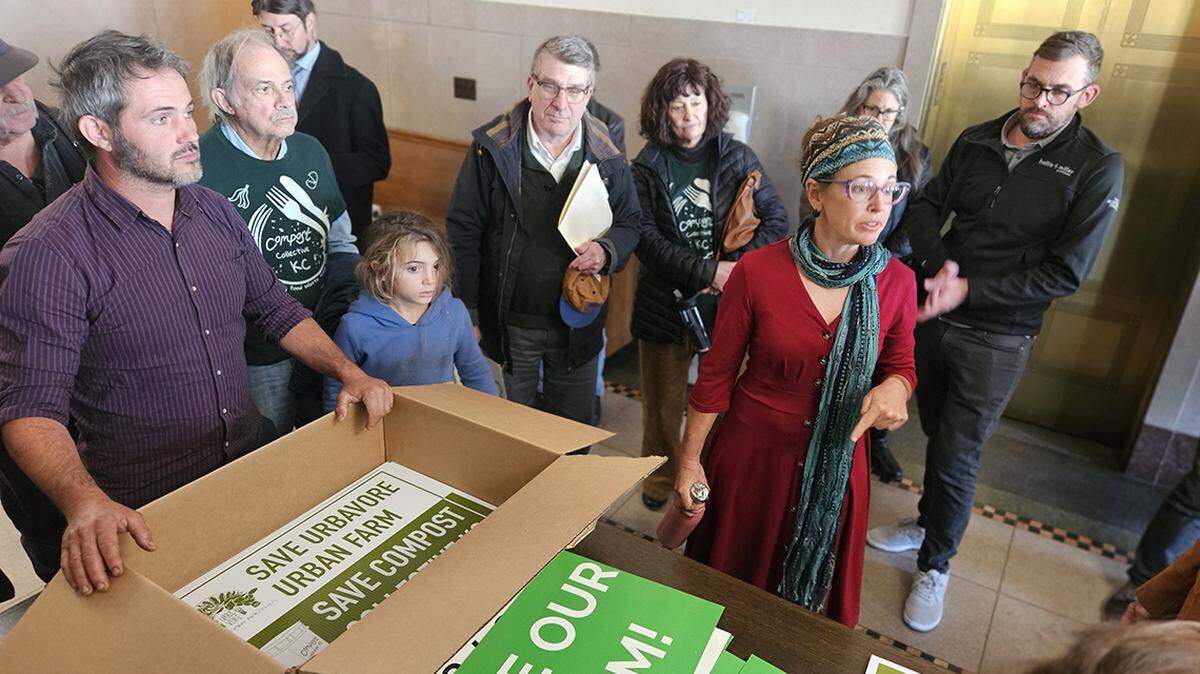
I attended a recent Kansas City Council meeting at City Hall expecting a resolution in a yearslong fight between Urbavore Urban Farm and a few of its neighbors.
Boy, was I wrong.
In what I can only describe as a complete and utter failure to settle a longstanding dispute between Urbavore owners Dan Heryer and Brooke Salvaggio and a few disgruntled neighbors, the council kicked the proverbial can down the road.
And this isn’t the first time this elected body has punted on this issue.
At its Oct. 3 meeting, the full council voted to take up the matter at a later time. Then, on Nov. 21, the same council voted to send Urbavore’s master development plan back to the City Planning Commission for revisions.
Third District at-Large Councilwoman Melissa Patterson Hazley’s proposed amendment that would force the owners to move the farm’s new driveway 250 feet north is unfeasible, according to Heryer and Salvaggio. So is Patterson Hazley’s recommendation to move the couple’s on-site composting facility to the northwestern corner of the property, they said.
“We have made suggestions, but we haven’t been able to really nail those down as to what will be accepted and what’s possible on the site,” Patterson Hazley said at last week’s council meeting.
The farm and its composting business, Compost Collective KC, are located in the 5500 block of Bennington Avenue on Kansas City’s East Side. I still believe that the 13.5-acre farm and its eco-friendly compost operation are small businesses worth saving. Apparently the City Council has no interest in helping this thriving operation survive.
Does this city really want to be known as one that ran a successful, environmentally responsible company out of business? It would behoove Mayor Quinton Lucas, City Manager Brian Platt and the council not to ignore a very important aspect of its citywide business plan that purportedly supports local workforce development and minority-, women- and locally-owned businesses.
In a series of social media posts, the couple expressed their frustrations with the latest development. And who could blame them? For two years, they have done everything they can to appease their neighbors’ concerns about traffic flow near the farm and environmental issues that have arisen.
“To be honest, I don’t think they are even cognizant of the sheer ridiculousness this revised road and relocated compost site embodies,” Salvaggio wrote on Facebook. “I have nurtured and sculpted every square inch of this property. I know it like the back of my hand. Why on earth would we destroy a massive percentage of our farm to build a road — one that demolishes a retention pond teeming with red wing blackbirds and awesome wildlife, four highly productive terraced crop fields, pear trees, old growth trees, and a 12-year-old asparagus field?
“Then there’s the destruction that comes with the relocation of the compost site and the road to access it. I can’t even begin to list the losses and futility that comes with such a rash and thoughtless development.”
The sudden and unexpected move was a kick to the gut for Heryer, Salvaggio and their legion of loyal customers, many of whom continued to show up at City Hall in droves to support the effort to save the farm and its related compost business.
“I’m just so effing furious,” Salvaggio wrote. “Tearing my freakin’ hair out … disgusted with the audacity of those calling the shots. Such absolute disrespect to us of course, but mostly the land. Only humans could take for granted that which gives them life.”
In my view, the Kansas City Council isn’t doing these small business owners any favors by kicking Urbavore’s proposal back to the planning commission.
And that, my friends, is disappointing on so many levels.
This story was originally published November 27, 2024 at 5:06 AM.