
Don’t let Kansas City shut down Urbavore Urban Farm. It turns trash into treasure | Opinion
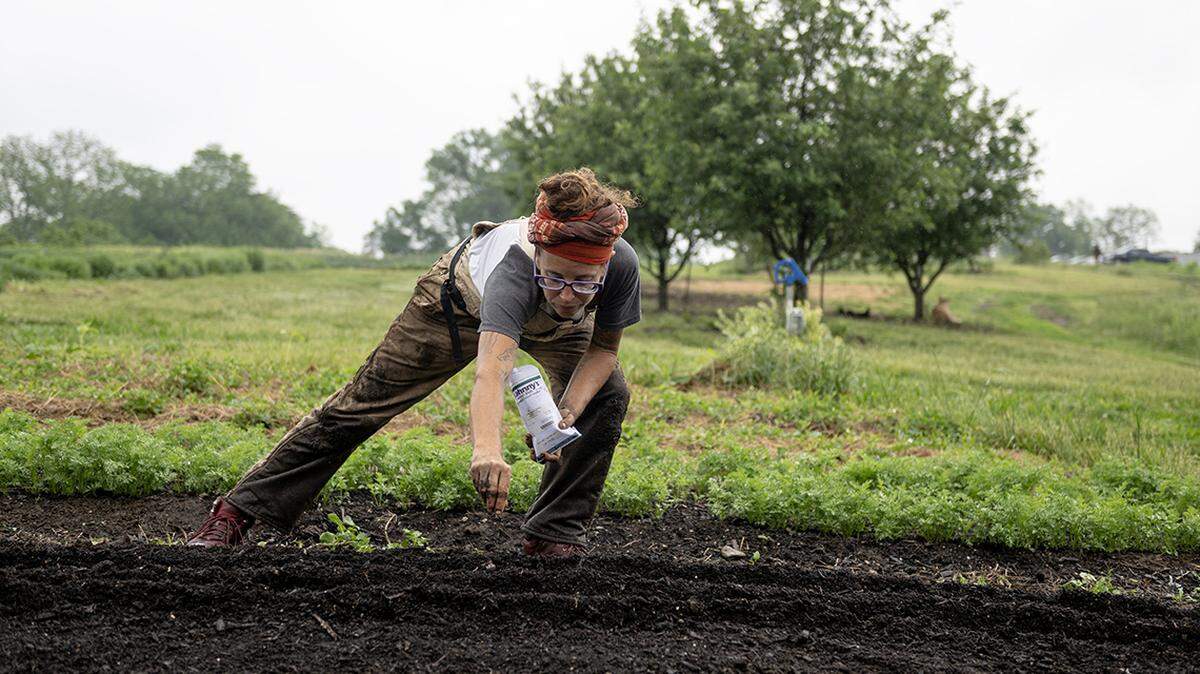
I know a lot about dirt.
That may seem unimpressive to you, but allow me to elaborate.
I know how to make dirt. Really good dirt. The type of stuff that grows really good food. More impressive still, I can make this “good food dirt” from your waste, or at least the organic components of your waste: food scraps of any kind — plants, meat and dairy, cooked or raw — along with paper towels, pizza boxes, shredded office paper, toilet paper roles, yard waste, grass clippings and leaves.
Once made into dirt, or more specifically compost, I can spread it on any type of land (even depleted urban soils) and conjure the most mouth-watering, flavor-packed fruits and vegetables with zero chemicals or fertilizers and very little water.
Now are you impressed?
If you haven’t figured it out already, I’m a seasoned organic farmer and an enthusiastic composter. I own and operate Urbavore Urban Farm, Kansas City’s largest, longest-standing urban farm, and home to Compost Collective KC, the metropolitan area’s only curbside composting service. Together, we take in 25,000 pounds of residential food waste every single week and turn it into nutrient-dense produce that feeds hundreds of local families — farm to table, table to farm, and back again.
We believe that food waste is a valuable resource. It is a nutrient, in fact. And instead of producing methane gas in landfills, it should be tied to local farms. There it can become fuel for food production, added income for farmers, local food security for neighborhoods and a low-cost model for holistic waste management and climate resilience in cities nationwide.
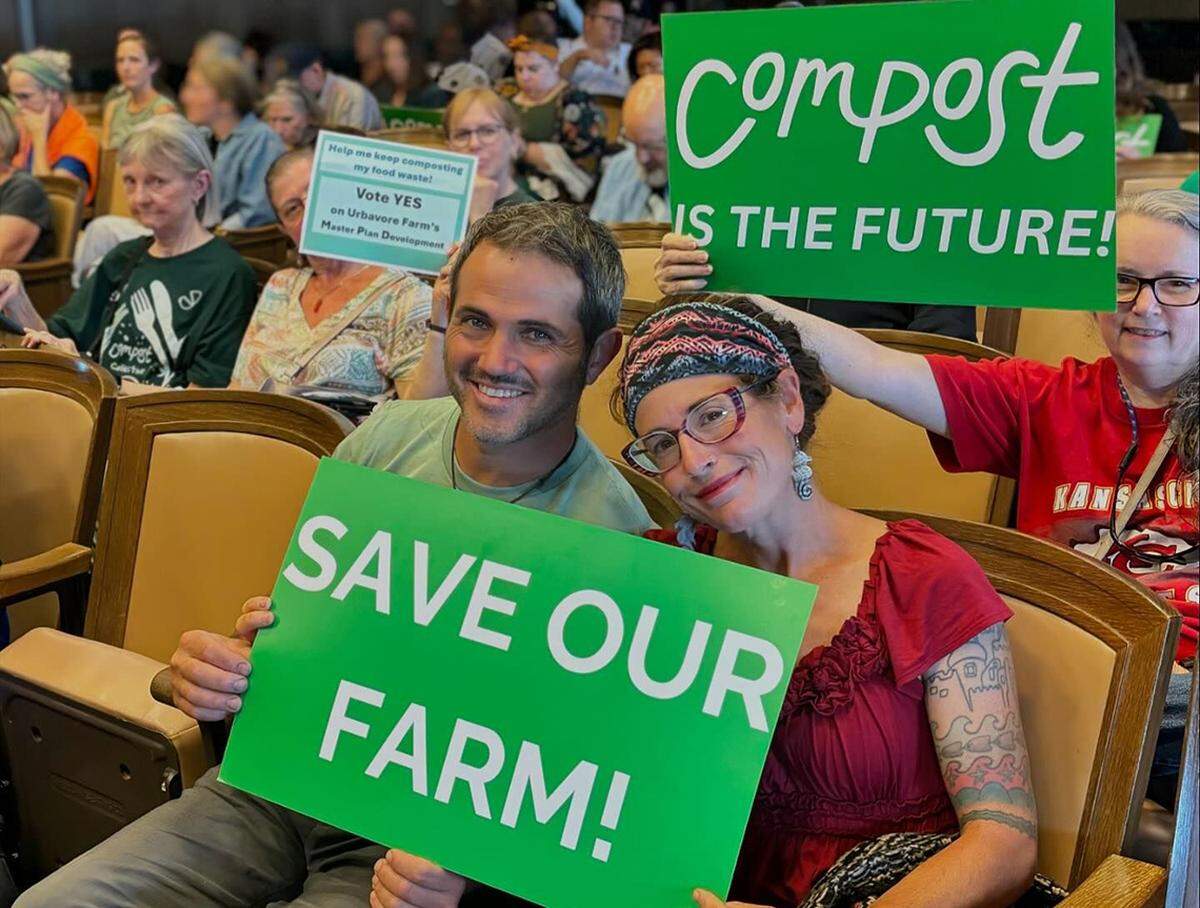
On Thursday, the City Council will weigh whether Urbavore’s elegant system (growing abundant food on soils replenished with composted food waste) should be allowed to continue through the approval of a master plan development rezoning. This should be an easy decision, considering the city approved our compost plans in 2021 — leading us to invest more than $400,000 in the build-out of the site and the purchase of our compost hauling business and necessary equipment. Furthermore, the vast majority of our Brown Estates neighbors support the farm, including most of the farm’s immediate neighbors. Yet a few vocal opponents have tipped the scales, casting doubt on that decision.
Climate Protection and Resiliency Plan goals
The council is considering Urbavore’s rezoning plan, which both addresses the concerns of the few opponents while also casting a long-term vision for the land that incorporates additional community benefits. The critics want traffic rerouted from a residential street to a new farm access road — and that’s in the plan. Opponents had concerns about grazing livestock (a legal use under the farm’s current agricultural zoning). The plan addresses that too, incorporating a dense planting of evergreens along the property line to act as an organic barrier between the farm and the public. Opponents have concerns about composting operations. City and state inspectors have confirmed that there are no nuisances or environmental concerns. Still, Urbavore’s plan makes site improvements and limits composting to its current scope (under 2% of the total 13.5 acre property).
Urbavore’s plan is also visionary. It creates new programming on the farm, layering additional community benefits of solar energy generation, youth and adult education, farm-to-table cooking, community space and more. In fact, the plan achieves five of the region’s six climate goals detailed in the Climate Protection and Resiliency Plan, adopted in August 2022. It’s a slam dunk for City Hall and the 3rd District, and creates accessible benefits for the entire neighborhood, whether people value healthy eating or just a reduced utility bill.
It’s also a reenvisioning of American communities — where food, energy, education and waste can be self-contained within a community, rather than imported and exported. Urbavore’s future is the very definition of resiliency and a circular economy.
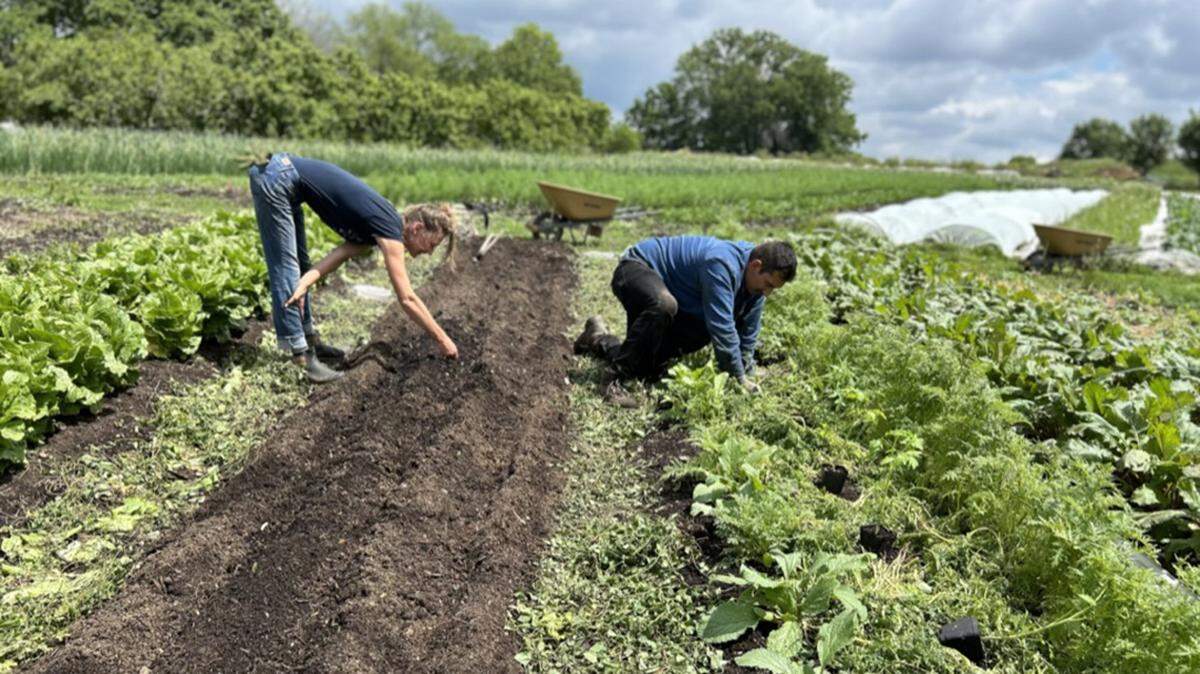
City Hall now has a decision that will affect the future of us farmers, who have spent the last 15 years developing raw, vacant land into a thriving farm and home. We have built our house with our own two hands, created our own water system, wired our electricity and raised two kids (strapped to our backs as babies) as we tirelessly created a verdant ecosystem that positively impacts thousands of Kansas Citians. If City Hall does not approve this plan, our progress would be wasted — not reclaimed and reborn like your food waste — thereby harming our farm and family, our city and our neighbors.
Rezoning changed after public feedback
Urbavore’s rezoning plan has been under discussion for more than a year, and both the public and City Council have had ample opportunity to engage and negotiate changes to the plan. Indeed, our plan has changed and evolved substantially with public feedback — removing affordable housing units, removing additional composting, shifting the access road and the visual barrier — all at the behest of the city and a few opponents. Urbavore has been at the table throughout the last 19 months, following the public process and accommodating all stakeholders.
Now, it is time to move forward and approve a solution that has broad public benefits, and directly addresses individual concerns. We ask the City Council to listen to the Brown Estates community that wants this plan approved, and to heed the voices of the thousands of Kansas City constituents who utilize our climate-positive services. Don’t trash Urbavore Urban Farm and Compost Collective KC. Support a solution. Let a beloved local family reclaim their livelihood. Let two of Kansas City’s most respected farmers continue to build resilience from the ground up.
Trust the girl who knows about dirt, and allow our climate-positive initiatives to continue and evolve.