Kansas City spent $2.3 million on legal fees in losing battle over police control | Opinion
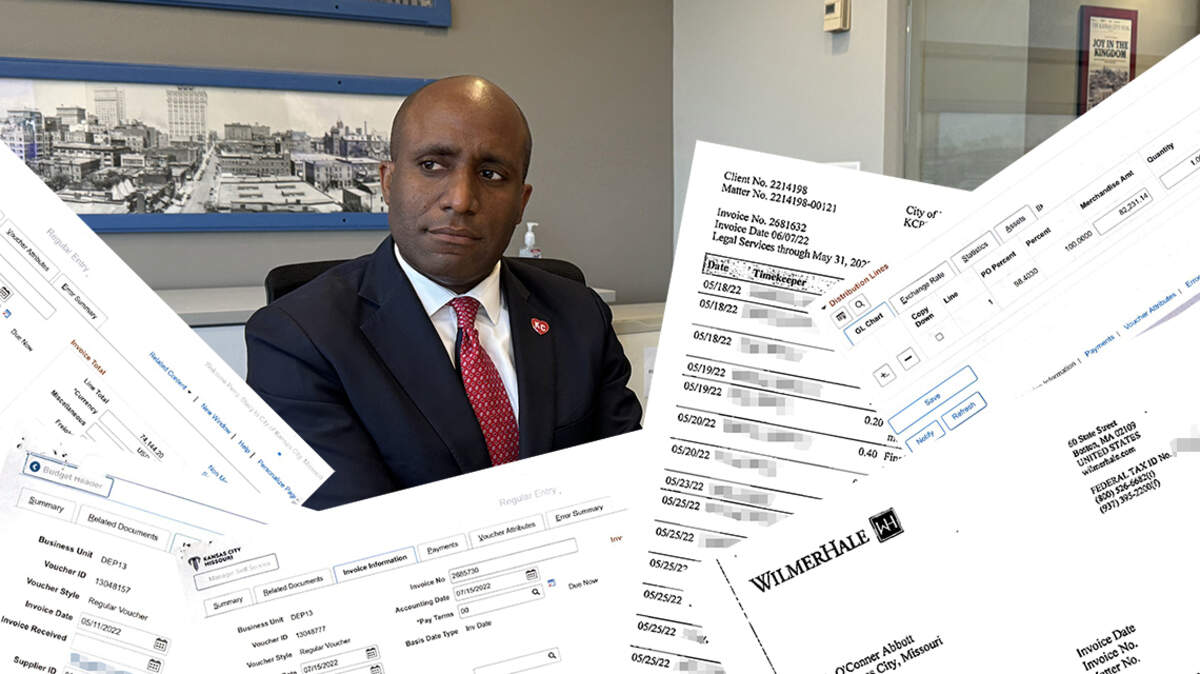
Kansas City spent more than $2.3 million in legal fees in the city’s fight to maintain control over how much is spent on policing, according to invoices obtained by Metro Organization for Racial and Economic Equity, a social and economic justice group known as MORE2.
Based on last week’s election results, I don’t think taxpayers got the best bang for their buck.
Despite a legal challenge that forced a do-over, Missouri voters narrowly approved a constitutional amendment that continues to deny Kansas City any control of its own police department. And the total cost of litigation isn’t final. I was able to view statements paid out only over an 18-month period that began in May 2022.
Outsiders dictating how a local government spends tax dollars is fundamentally wrong. I can’t fault Mayor Quinton Lucas for looking out for the best interests of all Kansas Citians — he sued the state as a private citizen over a bill passed by the GOP-controlled state legislature that takes control of police spending out of the city’s hands. But was it wise to shell out millions of tax dollars on a losing effort that was more than likely to fail anyway?
Lucas seems to think so.
“I think it was valuable,” he told me during a recent phone interview. “The city’s position has been validated.”
City residents voted against measure 2-to-1
Amendment 4, a mandate forcing Kansas City to spend at least 25% of its general revenue on policing, passed by a 51-49
margin, according to the Missouri Secretary of State’s unofficial results. While the outcome was closer than expected, the final vote speaks volumes on how others view the rights of residents and elected officials here.
So much for local control.
By approving Amendment 4 for the second time in less than two years, Missouri voters collectively thumbed their noses at Kansas City. And without an organized pushback against it — other than Lucas, opposition spent very little money, if any, encouraging voters to reject the measure, according to a social media post from the mayor — what was the purpose of the many lawsuits filed in the police funding squabble?
After all, we’re back to square one: Kansas Citians have no say in how their very own taxpayer-supported police department operates. Taxation without representation is wrong.
Under Missouri’s Hancock Amendment, unfunded mandates are illegal. But the language of the amendment sidesteps that rule by making an exception for police funding.
The will of Kansas Citians was ignored yet again. According to the Board of Election Commissioners’ unofficial results, 28,172 city residents within Jackson County rejected Amendment 4, while only 14,206 voted yes.
In Clay County, the results were almost the opposite. Of 38,264 votes cast, 23,233 were in favor of the amendment, according to unofficial results from the county election board.
Lucas also filed a legal challenge arguing state officials provided a misleading fiscal summary on essentially the same ballot question in November 2022. “The state lied to us,” Lucas said Friday, referring to the original language in the fiscal summary. That statewide vote passed by a wide margin — more than 63% of voters approved the measure two years ago.
Ultimately, the Missouri Supreme Court agreed with Lucas, ordering the funding amendment to appear before voters in November. But Missouri Gov. Mike Parson intervened to move the measure up to appear on this month’s ballot — and it did.
MORE2 questions costs detailed on invoices
In these police funding lawsuits, Kansas City has used outside legal counsel at a premium cost to taxpayers. The total could exceed $3 million, according to Lora McDonald, executive director of MORE2.
McDonald sued Lucas last year for failing to provide public records in a timely fashion as required under Missouri’s Sunshine Law. Through a 2023 public records request separate from the lawsuit, the group obtained months of invoices for legal services associated with the funding dispute, according to McDonald.
“We have copies of invoices from the firms,” she said. “Ultimately, we heard complete silence from both Quinton Lucas the voter, and Quinton Lucas the mayor. What was any of this for if he wasn’t going to see it through?”
In a series of invoices from May 2022 to November of 2023, Washington D.C.-based law firm WilmerHale billed Kansas City in excess of $2.3 million.
The amount is a far cry from the initial $450,000 approved in January 2022 by the City Council to hire WilmerHale. Nothing in the copy of the contract precluded the city from spending more with the firm. But a public accounting of these mounting legal bills shouldn’t be out of the question.
I asked Lucas about this spending, but he couldn’t or wouldn’t confirm or deny what is an easily-accessible public record.
“I don’t have that number,” he said.
Does ‘more work ahead’ mean more litigation?
Once the dust settles, Lucas and Kansas City owes us a very public accounting on every dollar spent on this particular police funding issue.
Lucas conceded defeat on social media regarding Amendment 4, but some of his words made me wonder if more litigation is possible down the road.
“Just as I respect Missouri’s voters, I respect Missouri’s courts,” Lucas wrote on X the morning after the election. “The state Supreme Court found that misleading ballot language in 2022 had a material impact on the election outcome. With the dramatic shift in vote totals, it was clear they were right. More work ahead.”
In a thread posted late on election night, Lucas wrote: “Without money, without ads, and with only the facts and common sense, local control of local issues has played to a too-close-to-call election tonight in Missouri.”
Later, Lucas thanked Missouri voters “for their good judgment and look forward to presenting them with a future ballot issue that stands for local control in all of our communities,” he wrote.
During our conversation Friday, Lucas said the best path forward on the funding and local control issue includes awaiting the results of litigation already underway or even a possible initiative petition.
The Kansas City Police Department is run by the five-member Board of Police Commissioners. Four commissioners are appointed by the governor. Lucas holds the fifth seat. If that setup sounds unusual, it is. No other police agency in Missouri is structured this way. Kansas City is also one of the largest cities — if not the largest — in the nation that does not control its own police department.
Yet Missouri voters rejected this not-so-novel concept of local control that every other police agency in the state enjoys. How is that even remotely OK?
It’s not. Nor is spending millions in taxpayer dollars to support Lucas’ legal crusade and end up in the same place where Kansas Citians started.