A ‘whisper of justice,’ judge tells victim’s mother. So why did Billy Dupree get plea deal? | Opinion
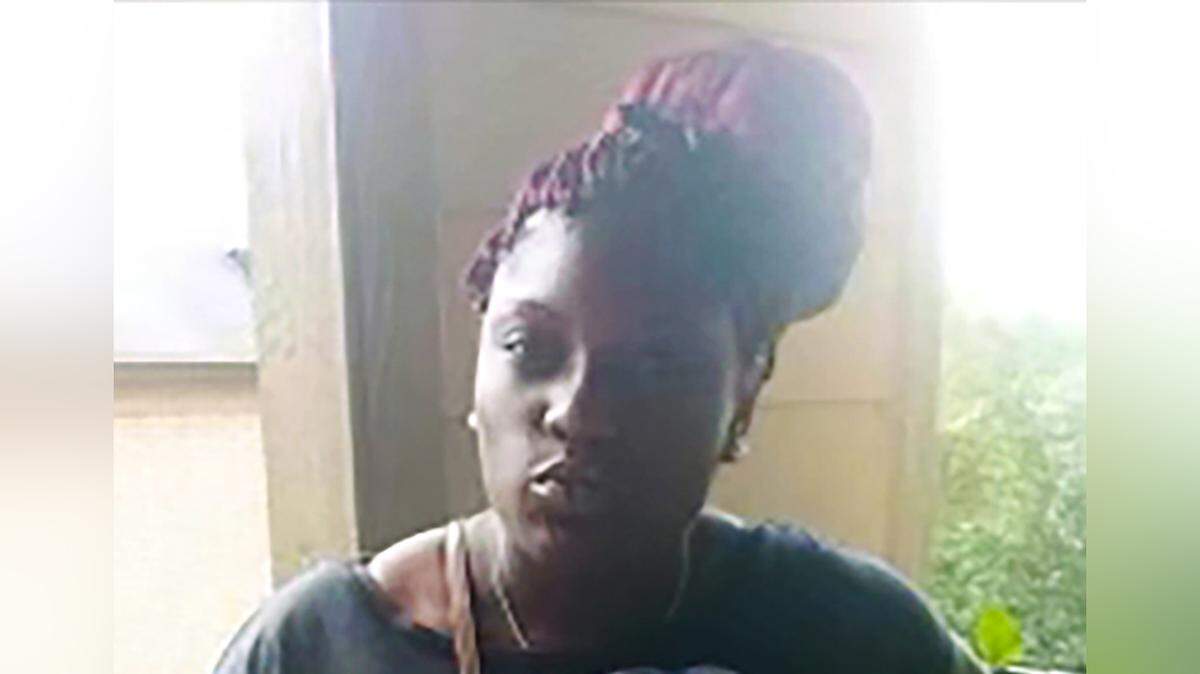
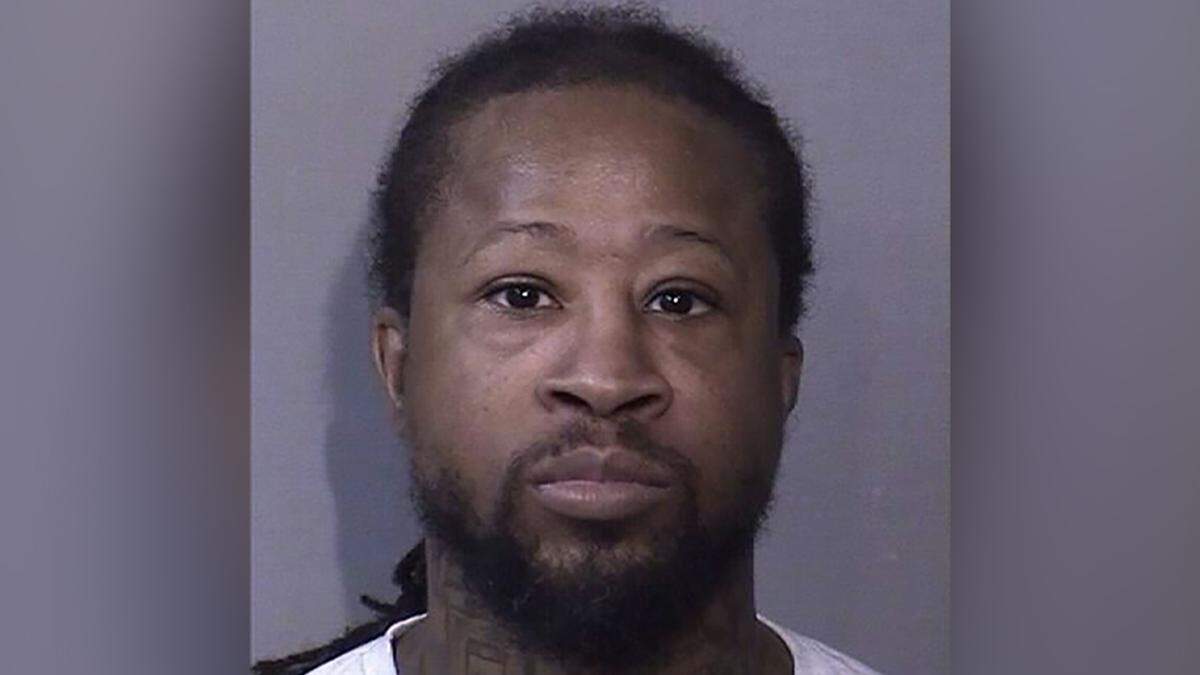
While Deleisha Kelley’s tearful and torn-up family addressed her killer, Billy Dupree, in court at his Friday sentencing hearing, he did not pretend to either listen or care. Instead, he chatted up his lawyer even as Kelley’s mother wept and said she’d never celebrate another Christmas, or any other holiday.
Dupree, a 41-year-old repeat sex offender already doing time for another violent crime, is a nephew of Wyandotte County District Attorney Mark Dupree. Originally, he was charged with first-degree premeditated murder and was facing a life sentence in the December 2014 death of 16-year-old Kelley. She was strangled in Kansas City, Kansas, and then dumped in Kansas City, Missouri, where a homeless man looking for cans found her body covered with branches, tires and trash in an abandoned garage. That was 10 years ago next month.
Just before Billy Dupree’s scheduled September trial, though, he was allowed to plead to the very reduced charge of involuntary manslaughter. On Friday, Judge Dan Cahill handed down the agreed-upon 15-year sentence. And since that will run concurrently with the one he’s already serving, Dupree will spend less than a dozen additional years behind bars for making sure that a 16-year-old would never turn 17.
Kelley’s relatives begged Cahill to do more. He said how moved he was by their grief, and how impressed by their knowledge. Then he blessed the original deal.
Judge says Mark Dupree never interfered
According to prosecutors and pretrial testimony, Billy Dupree killed Deleisha Kelley because he’d just found out she was a minor and didn’t want to get in legal trouble again for having sex with yet another underage girl.
Evidence in the case included a DNA semen hit and cell phone tower information that said she’d spent the entire last day of her life within .1 mile of Dupree’s apartment. It showed that she had placed her last, aborted call to 911 from there, too. A neighbor who testified at a pretrial hearing that Dupree had asked him to help him get rid of her body, which he had glimpsed, had fully expected to testify again.
Other than Dupree and his defense attorney, Antwone Floyd, who used to work for Mark Dupree, no one in the courtroom seemed to think this outcome was justice, but only a faint photocopy, which Cahill called “a whisper of justice.”
The judge spoke beautifully, and said he didn’t want the family to think that he doesn’t appreciate their loss or value Kelley’s life. Even the death penalty wouldn’t give them what they really need, he said. But this is a long way from that, and Kelley’s mother, Kellie Blewett, told me she got no comfort from “the judge, with all his pretty words,” since he could have imposed a sentence twice as long on the same charges and did not.
Cahill said he wanted to state for the record that DA Dupree, who was not yet in that position when Kelley died, had stayed away from the case and had nothing to do with the outcome. There, too, Blewett said she was sure that this was technically true, and yet remains unconvinced. “The judge stressed that Mark Dupree never called him. He didn’t have to.”
The lead prosecutor in the case, Kansas assistant attorney general Jessica Domme, was on the verge of tears herself as she very obliquely explained the last-minute decision not to go to trial.
Emotional Kansas assistant AG: ‘I value this life.’
“I value this life,” she told the court, but had to consider a number of factors, including “the credibility of witnesses. The decisions I make as a prosecutor are hard and are criticized. I do value the victim’s life in this case.”
She also said she has to argue her case not “in a newspaper, but in a courtroom.” Yes, I did criticize the plea deal, and because I’ve read everything filed in the case, still believe that there was more than enough evidence to convict.
Blewett and her whole family had already taken time off work for the trial that never happened, so what changed just ahead of jury selection? Back then, prosecutors told her the case was just too old to go to trial, though its age hadn’t changed overnight, and neither had the evidence.
Kelley’s mother wonders whether the credibility issue Domme is alluding to now involves Jalelisa Jeffery, a witness who only days before the plea deal was announced held a news conference at which she accused Mark Dupree of using his influence to help both Billy Dupree and his brother, Glen Blount, the father of Jeffery’s child. According to Jeffery, Blount dumped Kelley’s body for Billy.
That’s what both Jeffery and Blount were expected to say in court. But Jeffery has also been trying to get her daughter back from the Dupree family for years, and investigators pressing her to testify had from the beginning also told her she’d be seen as a bitter baby mama. They also, Jeffery says, promised to help her get her child back, and that never happened. No doubt prosecutors didn’t like her calling out the DA right before trial, though she had the Kelley family’s full go-ahead to tell her story. Blewett doesn’t blame her, in any case, and why would she?
There was so much physical evidence and other testimony in the case that even if prosecutors were horrified by what Jeffery said about a sitting district attorney and president of the Kansas Bar Association, the truth is that they did not need Jeffery’s testimony to get a conviction.
So if that’s the super secret last-minute witness problem, then I still say that’s an excuse rather than a reason. Because as Blewett says, “DNA doesn’t lie. There was an overabundance of evidence.”
‘Do you know who I am?’
And, even before the hearing started, there was a noticeable surplus of entitlement from Billy Dupree. Seated just a few feet in front of me in the courtroom, he was regaling his defense attorney with a story about something that had just happened to him in custody, presumably in Wyandotte County. “And I said, ‘Do you know who I am?’ I’m going to write him up!”
Yes, Billy, we all know who you are, and know, too, that the fact that this is your third violation as a registered sex offender somehow didn’t override whatever political considerations kept you from going to trial.
As the devastated relatives of his victim spoke, Billy Dupree did everything but look like he gave even one hoot.
Deleisha’s great aunt, Davitta Hanson, told the court, “I’m here today because the plea agreement will not do justice for anybody. This isn’t the first teenager he’s had a situation with. … Voluntarily you put something around her neck. To me, that’s not involuntary.” She also asked whether, if her niece had been “another color,” the case would have ended this way a decade later.
Blewett told the judge that her daughter had been suffering emotionally since her father’s murder, a year before Deleisha’s death, and she implored Cahill to give Dupree more of a sentence: “I beg of you. He doesn’t deserve to be free,” she said, sobbing. “She was a runaway for sure, but she was coming home on Christmas” — as it turned out, just days after her body was found. Now “I can’t celebrate Christmas ever,” or any other holiday. “He stole that.”
Another of Dupree’s uncles, Alvin Dupree, came forward to admonish his nephew, and tell him to get some real religion, rather than just some fake jailhouse substitute, “You cannot fool God. It’s holiness or hell. Live right, moving forward.”
Dupree: ‘I didn’t know she was 16.’
When it was Billy Dupree’s own turn to speak, he, too, spoke of God, and declared himself “sanctified, filled with the Holy Ghost” and doing a great job preaching in prison. “I don’t want to talk about the case,” he said, but “I’m apologetic. I didn’t know she was 16. “
Cahill, who was also the trial judge on one of Dupree’s earlier cases, called him a sociopath who has a history of preying on vulnerable people. “I don’t believe you didn’t know she was 16 years old.”
That he knew he was killing her would seem to be the more relevant fact, but Cahill was definitely right when he told Dupree this: “My words are wasted on you.”
What is justice for a murder, the judge asked Kelley’s family. “It’s not within my power to bring ultimate justice for you.” The charging documents “clearly set out probable cause, but unfortunately, we live in a world in which witnesses disappear or die or move on.” He doesn’t know what happened here, he said. The mysterious haze that obscures all knowing is supposed to be OK, I guess, but it isn’t, and will never be.
The lead prosecutor, Domme, on her way out of the courtroom, told me she’d have no more to say about her reasons.
Blewett, when I spoke to her later, said there were only two bearable things about the day: First, what Dupree’s Uncle Alvin had said in court, “so at least I know not his whole family supports him in his madness.” And then, this: “At least the world knows you murdered my baby.”
This story was originally published November 23, 2024 at 5:06 AM.