Some unvaccinated Kansas Citians do wear masks — and don’t mention tyranny
Community health workers knocking on doors to encourage COVID-19 vaccinations in Kansas City’s urban core are just not up against the same hostility that comments like Missouri U.S. Rep. Jason Smith’s warning about “KGB style” efforts to “knock down your door” are meant to inspire.
“Everyone is polite,” says Catherine Wiley, of the Samuel U. Rodgers Health Center, whose team was out knocking on doors in south Kansas City on Thursday.
Some of the mostly Black residents of the nine-story high-rise where I spent a couple of hours with the team were skeptical about the shots. But the concerns they mentioned were dramatically different from those of the Republican activists who have dominated the conversation.
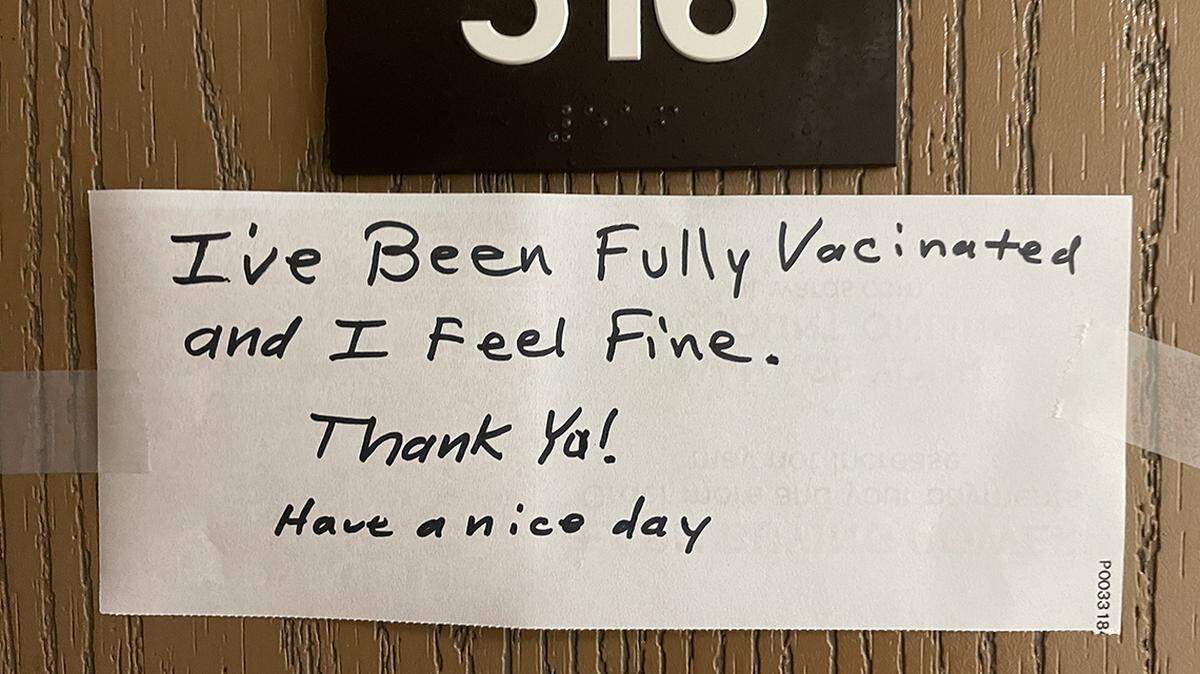
Virtually everyone opened the door wearing a mask. And no one brought up freedom, personal choice, government tyranny or hydroxychloroquine, much less the Holocaust.
A number of people said they’d already been vaccinated. “That was my prayer,” said Ernest Mickens, “that I’d be kept safe until the vaccine was available.”
But a bunch of those who haven’t gotten the shots said that’s because they’d heard that COVID vaccines are dangerous to people with specific conditions — heart problems or high blood pressure or asthma.
It’s just the opposite, community advocate Rory Kirk told one man with asthma. “You’re the prime person who should get it.” He and the others went easy, forcing nothing. Throughout the morning, Kirk collected the phone numbers of those he was going to check back in with on Friday, when they’ll be back to actually vaccinate anyone who’s up for it.
A few people have told Wiley they’re suspicious because the shots are free: “Why are they giving it away? They’re not sure about it because it doesn’t cost anything.”
Will Smith ‘I Am Legend’ movie zombies are fiction
Samantha Johnson, the health center’s outreach patient coordinator, said she, too, has heard “a lot of excuses” from those “listening to the wrong voices.” Including some spouting nonsense like that “it’s going to turn you into zombies.” Those repeating that one, she said, “are going off that movie with Will Smith.’’
She means “I Am Legend,” the 2007 film in which most of humanity has been wiped out by a virus reengineered to cure cancer; oops. Even in the movie, it’s not a vaccine that’s turning people into vampiric zombies, but a virus. Still, one of the movie’s screenwriters recently tweeted this reassurance: “Oh. My. God. It’s a movie. I made that up. It’s. Not. Real.”
Though you wouldn’t think he would have to spell that out, we are all at risk of falling for the misinformation that may be an even greater threat to public health than this pandemic.
From the beginning, COVID struck Black and brown Americans with particular ferocity. But the shameful history of the Tuskegee Study — and of our medical community’s general inability to hear non-white (and non-male) voices — naturally made trust an issue.
The CDC reported that of Americans who’d had at least one shot of a vaccine by Aug. 2, race was known for 58% -- and of those, just 10% were Black.
Yet zombies aside, the team from Samuel Rodgers is having some success. Two weeks ago, they vaccinated 49 people in two days, and that’s 49 more people who’ve protected themselves from serious disease caused by the even pushier delta variant of COVID-19.
When Wiley asked 60-year-old Henry Dean what was stopping him, he said, “I think I’m scared of it. They’re coming up with side effects from people getting the shot.”
“That’s fair,” she told him, then explained that her arm hurt a little afterward, and her husband and mother didn’t have any problems. It’s important to get it, she told Dean, because the side effects from the vaccines are nothing compared to what COVID can do. “If you want me to come sit with you, I will.”
That sounded good, he told her. Later, Dean said he still hadn’t made up his mind, but he thanked the team for coming: “I think it’s a good thing you’re doing.”
His hesitancy seemed to me like the kind that might be overcome.
This story was originally published August 13, 2021 at 5:00 AM.