
Sharice Davids gets it: Public works, not culture wars, are patriotic | Opinion
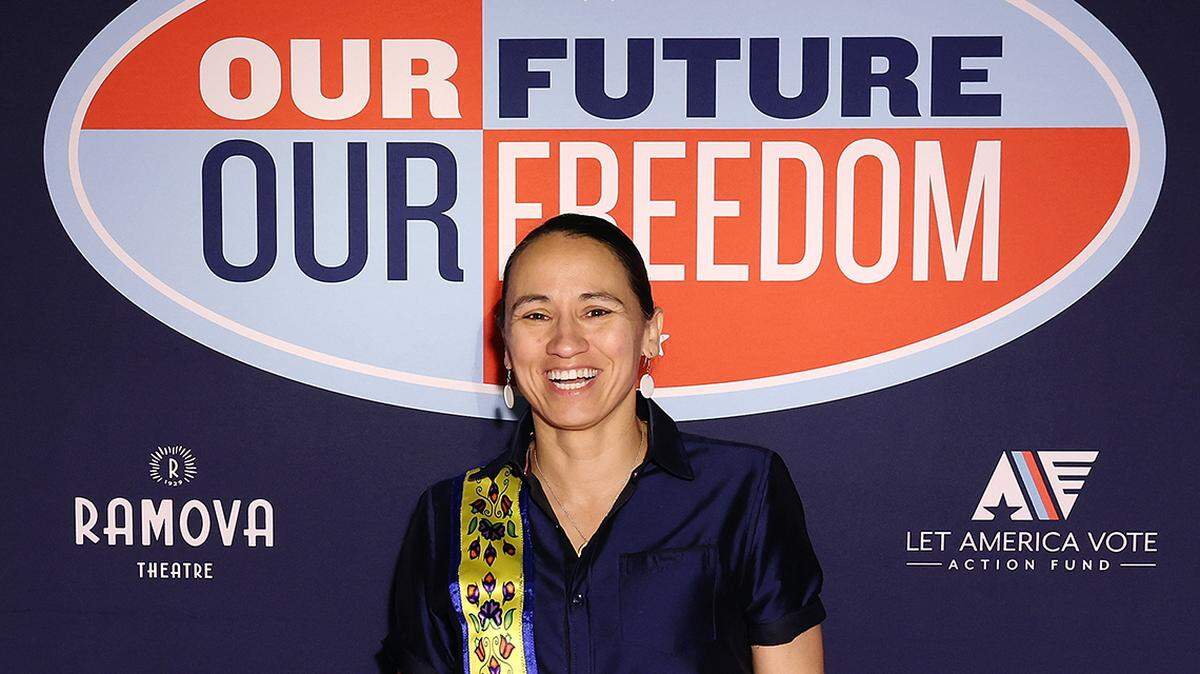
Kansas Rep. Sharice Davids calls herself an “infrastructure nerd.” If we care about what direction Kansas, Missouri and the United States as a whole are heading, we should all adopt that title.
In a new sponsored commentary in The Washington Examiner and a press release, the Democratic congresswoman warns the U.S. is “in a global competition,” and that our bridges, internet connections and power grids are crucial to maintaining our supposed position as the world’s sole superpower.
Do we really have so tight a grip on that spot, though? During Donald Trump’s first presidential term, it became a running joke that “infrastructure week” was just around the corner — but his administration accomplished very little on that front.
In 2021, Davids was on the House Transportation and Infrastructure Committee, where she helped push through a landmark $1 trillion infrastructure bill. That legislation’s investments have paid dividends in the quality of our roads, water and rails — but the American Society of Civil Engineers still gives us only a “C” grade. The Council on Foreign Relations notes that many of our crucial public works systems are decades old, and we lag behind peer countries in upkeep.
In her commentary, Davids correctly singles out our chief rival nation: China. In 2013, President Xi Jinping launched the Belt and Road Initiative, an almost inconceivably sprawling and ambitious plan to grow his country’s physical reach throughout the world, with networks of roads, rail, pipelines and trade routes. Thirteen years later, its vast expansion into Southeast Asia, Europe and the Middle East has been impressively rapid.
Xi may not enjoy the world’s admiration on individual human rights, but I think he gauges the most important metric in how his policies produce financial well-being for his country and his people. In the U.S., with Trump distracted by his White House UFC octagon, billion-dollar ballroom and ill-advised war on Iran? “I don’t think about Americans’ financial situation,” he recently told reporters. “I don’t think about anybody.”
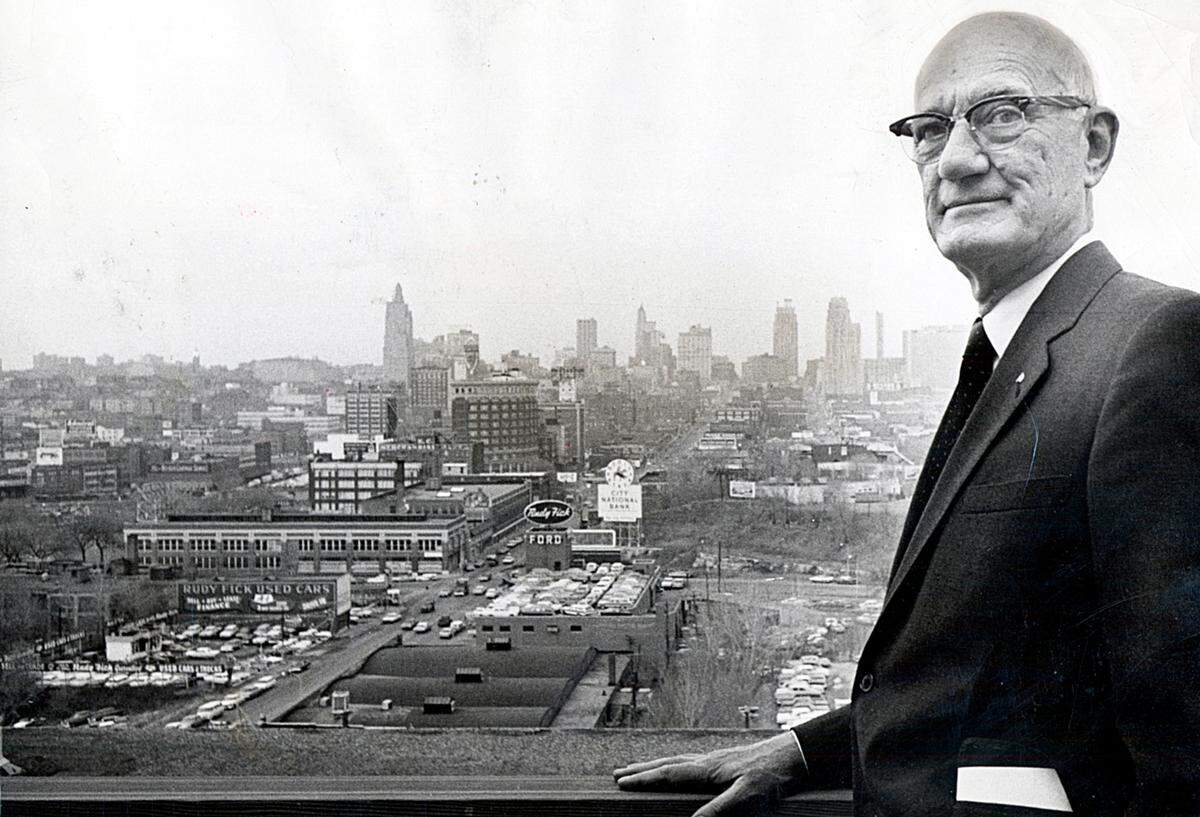
Joyce Hall and Hallmark Cards jobs
Joyce Hall thought about the people of Kansas City. One of the most innovative local business leaders of the 20th century, he built Hallmark Cards from two shoeboxes of cards and a rented room at the YMCA into one of the most recognizable brands in the world. Today, his family’s foundation continues on behalf of its founders “to nurture and strengthen the city they loved.” In the 20th century, that meant creating thousands of jobs.
Jack Welch thought about the shareholders. The late 20th century General Electric celebrity executive is widely credited as the pioneer of maximizing investor profits at the expense of workers. He earned the nickname “Neutron Jack” for his 100,000-plus layoffs in just his first few years as CEO, while seemingly maintaining the company’s hull. He busted unions, shut down underperforming business units, offshored jobs. His main objective was maximizing shareholder earnings in the short term, not making things enduringly better for his employees.
Welch’s aggressive tactics worked — until they didn’t. Under his early leadership, GE’s stock price surged, making it the most valuable company on the market by the early 1990s.
Today, the company is unrecognizable. Its GE Capital offshoot nearly brought down the whole enterprise during the financial crisis of 2008. Ejected from the Dow Jones Industrial Average in 2018, one of Thomas Edison’s greatest legacies is fractured into multiple pieces, and Welch’s philosophy doesn’t look so credible anymore.
In his book about Welch, “The Man Who Broke Capitalism,” journalist David Gelles explained GE’s corporate culture through a 1953 annual report. “They brag about how much they’re paying in salaries to their workers and how much they’re paying in taxes to the government,” he told NPR. “I don’t need to tell you that that’s a whole lot different than the way many companies operate today.”
To me, business’ obligations to their workers are a lot like nations’ obligations to their citizens. Can we really say Corporation X is a wild success because its executives and shareholders are building mansions, yet their everyday workers need public food assistance and second jobs to make ends meet? Likewise, how great can America be until its people know they won’t go bankrupt if their kid gets a cancer diagnosis, or a parent can no longer live independently?
Believe me: I’m well aware of China’s many shortcomings for its people, particularly in the realm of human rights. It doesn’t have real elections, after all.
But Xi Jinping and the Chinese Communist Party are playing a long game. That means electric vehicles and escaping the oil cartels. And it means closing in rapidly on the United States’ technology lead. They aren’t looking back to good old days that weren’t really that good anyhow.
When we build infrastructure with American workers, we pay ourselves back — and we enjoy the benefits of our labor in those new roads, railways and power plants. In her Examiner piece, Davids cited Kansas’ Dwight Eisenhower creating the interstate highway system because he understood our shared public works are vital in “preparing America for the future.”
Creating jobs for Americans to realize that future — and not fighting the imagined “other” in the cable TV and social media culture wars — is the meaning of patriotism in my book.
This story was originally published May 28, 2026 at 4:21 PM.