What Kansas City-area parents should know about the conversion therapy ruling | Opinion
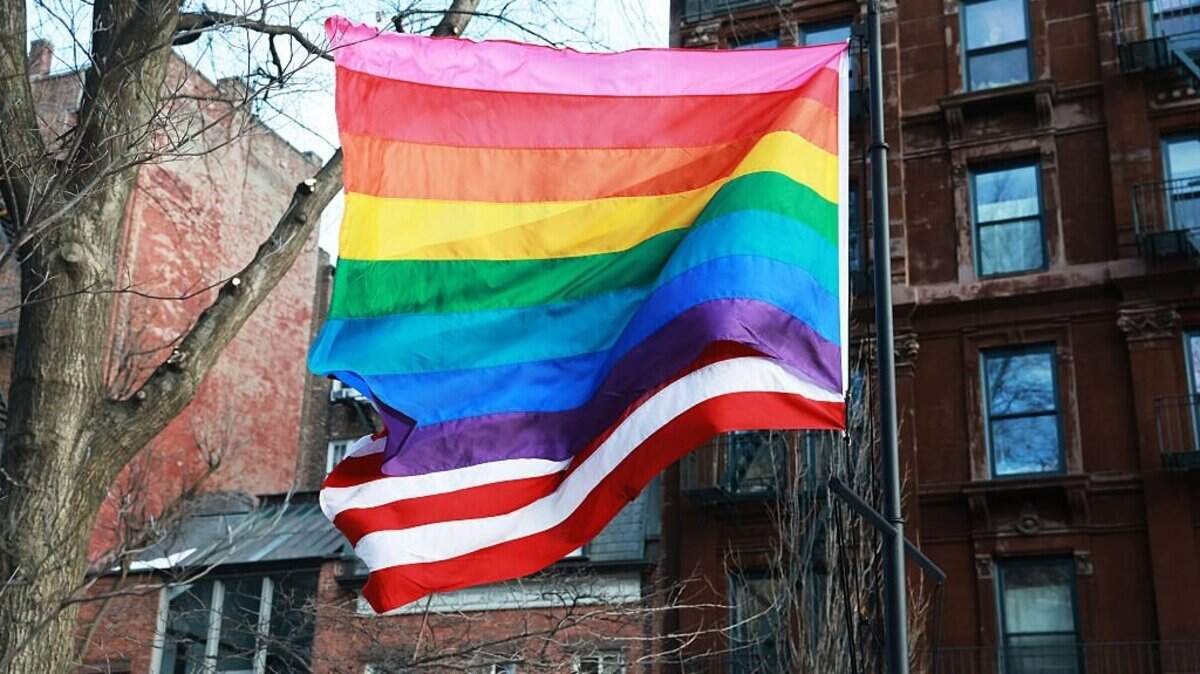
For parents raising LGBTQ teens in Kansas City, Tuesday’s Supreme Court ruling on conversion therapy likely landed hard. The court delivered an 8-1 decision striking down Colorado’s law banning licensed therapists from performing conversion therapy on minors.
But here’s a critical piece of local context from the analysis of the ruling: Kansas and Missouri have debated such laws but never passed them. That means Tuesday’s ruling doesn’t remove a protection your family previously had in this region.
That doesn’t make the ruling irrelevant. Understanding what the court did and didn’t do matters — especially for families with the most at stake.
What the ruling actually changed
The Colorado law banned licensed therapists from performing conversion therapy on minors. That covered both physical methods — like electro-convulsive treatments — and talk therapy aimed at changing a young person’s sexual orientation.
The Supreme Court’s ruling, written by Justice Neil Gorsuch, targeted the talk therapy portion. Gorsuch wrote that professionals do not have less protection of their speech because you rename what they are doing a “treatment modality” or “conduct” instead of speech.
Here’s what matters most for families: The ruling preserves bans on electroshock and drug-based conversion practices. Those methods remain against the law in the states like Colorado that have banned it. The line the court drew was between physical interventions and spoken words.
A near-unanimous court
The breadth of this decision is striking. Justices Sonia Sotomayor and Elena Kagan — both Democratic appointees — not only voted with the majority but signed onto Gorsuch’s opinion. As my original analysis said, “you don’t get two-thirds of the Democratic appointees on the Supreme Court to rule against LGBTQ orthodoxy unless the precedent is pretty darn clear.”
The sole dissenter was Justice Ketanji Brown Jackson, who argued that Colorado was regulating professional conduct — making the case that professional speech somehow deserves less protection. The majority built its case on previous rulings involving speech in extreme circumstances. After 9/11, Congress passed laws against aiding and abetting terrorists. Those laws were used to punish lawyers and doctors for talking to terrorists in their professional capacity because “expert” advice was treated the same as aid to a terrorist, even when the advice was about perfectly mundane and legal things. The Supreme Court told the Obama administration no.
A decade later, in a 9-0 ruling, the court said that even if Twitter aided a terrorist attack by helping ISIS recruit, allowing speech by terrorists and their backers wasn’t the same as being a participant in the attack. Tuesday’s nearly unanimous court reasoned that if speech helping terrorists — even when the help might have advanced an effort to kill people — is protected, then talk therapy aimed at conversion is protected too.
Conversion therapy is still wrong
I opened my column with an unequivocal statement: “There is nothing wrong with being gay,” calling the idea of a mental health counselor sitting down with a gay person and “helping” them not be gay something that “seems like malpractice to me.”
The point was not that conversion therapy deserves defense — but that the First Amendment is at its strongest when speech makes you furious.
The court’s opinion included a historical point that carries real weight. In the 1950s and 1960s, the consensus of the medical community was that being a homosexual was a mental illness. States could have written laws that made any counselor who talked with gay patients and disagreed into a criminal.
I wrote that such a law would have made our society’s “thankfully evolving views on being gay much harder because it was the scientific community that was among the first to question their previous beliefs.” The same free speech principle that now shields conversion therapy talk once protected the professionals who challenged the medical establishment’s consensus that homosexuality was an illness.
The situation in Kansas and Missouri
Because neither Kansas nor Missouri ever passed a conversion therapy ban, the legal landscape for LGBTQ youth in this region remains unchanged by Tuesday’s ruling. Bans on physical and drug-based methods remain intact where they exist.
Part of being enlightened is understanding that the benighted should be able to espouse their wrong views. All of the scenarios the ruling addressed make him deeply uncomfortable.
But the ruling doesn’t compel anyone to seek out such practitioners. I wrote that I’d never hire a counselor who had done that to a kid — and no court decision changes a parent’s power to make that same choice. The First Amendment may protect terrible speech. It doesn’t require any family to accept it.
David Mastio is an opinion columnist for The Kansas City Star.
This story was originally published April 4, 2026 at 5:05 AM.