Supreme Court reminds us 1st Amendment protects really terrible speech | Opinion
There is nothing wrong with being gay. That’s why the idea of a mental health counselor sitting down with a gay person and “helping” them not be gay seems like malpractice to me. When a couple dozen states passed laws banning licensed therapists from committing conversion therapy on minors, I didn’t get all worked up despite my normal First Amendment extremism.
On Tuesday morning, the Supreme Court delivered an 8-1 slapdown of the Colorado law doing just that, and it has me thinking about whether I have been extreme enough in supporting free speech. (Kansas and Missouri have debated such laws but never passed them.)
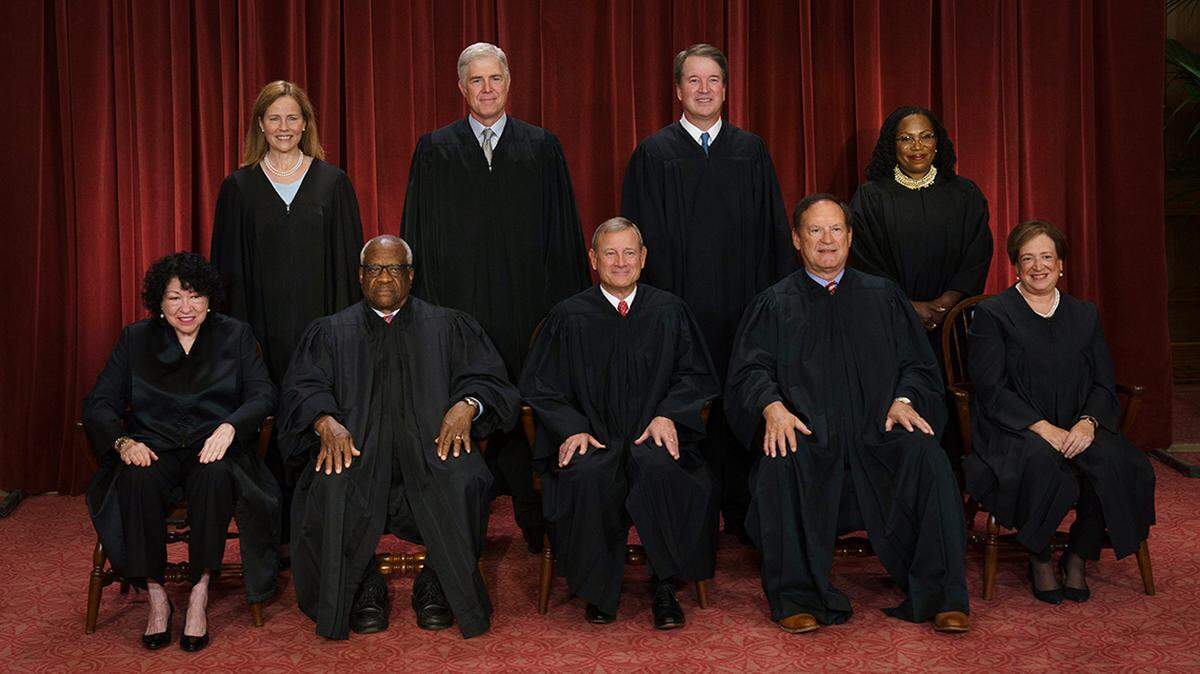
To begin with, you don’t get two-thirds of the Democratic appointees on the Supreme Court to rule against LGBTQ orthodoxy unless the precedent is pretty darn clear. Sonia Sotomayor and Elena Kagan are not likely to not only vote with Neil Gorsuch, but to sign onto the opinion he wrote explaining it without good reason.
Free speech territory
On its face, Colorado argued that it was regulating professional conduct, a point made by the only dissenting justice Ketanji Brown Jackson. For instance, the law outlawed using electro-convulsive treatments to “cure” minors of their gayness. Outlawing that seems right to me (along with the use of drugs) and it remains against the law. Where Colorado and likely other states, strayed into free speech territory was with doctors and counselors whose “treatment modality” was talk therapy.
Gorsuch wrote that professionals do not have less protection of their speech because you rename what they are doing a “treatment modality” or “conduct” instead of speech. And the court’s previous ruling on this issue is pretty amazing.
Back after 9/11 the U.S. Congress passed laws against aiding and abetting terrorists. Those laws were used to punish lawyers and doctors for talking to terrorists in their professional capacity because “expert” advice was the same as aid to a terrorist even if the advice was about perfectly mundane and legal things. The Supreme Court told the Obama administration no.
A decade after that, in a 9-0 ruling, the Court said that even if Twitter aided a terrorist attack by helping ISIS recruit the scum who carry out its deadly plots, allowing speech by terrorists and their backers wasn’t the same as being a participant in the attack.
Today the nearly unanimous court reasoned that if something as awful as speech helping terrorists, even when the help might have advanced an effort to kill people, is protected, then doing something as awful as advising a confused kid on how to pray away the gay was, too.
All those scenarios make me deeply uncomfortable. I’d never hire a counselor to help me if I knew they had done that to a kid. Likewise, I’d never go to a doctor or lawyer who had a side gig advising terrorists.
First Amendment
But as I am remembering, the First Amendment isn’t at its weakest when speech makes you furious, that is when the First Amendment is not only at its strongest but also when we need it the most, despite Brown Jackson’s argument that professional speech somehow deserves less protection.
The Supreme Court explained why professional speech is just as important as any other controversial speech in its decision today. Back in the 1950s and 1960s the consensus of the medical community was that being a homosexual was a mental illness. States could have written laws that made any counselor who talked with gay patients and disagreed into a criminal.
Such a law would have made our society’s thankfully evolving views on being gay much harder because it was the scientific community that was among the first to question their previous beliefs.
Yeah, we like to think of ourselves as much more enlightened today, but as the Supreme Court reminded me today, part of being enlightened is understanding that the benighted should be able to espouse their wrong views all they want.
I shouldn’t have needed Sonia Sotomayor and Elena Kagan to remind me.
David Mastio is a columnist for The Kansas City Star and McClatchy.
This story was originally published March 31, 2026 at 4:45 PM.