If fried chicken can’t save it, what should become of the Brookville Hotel? | Opinion
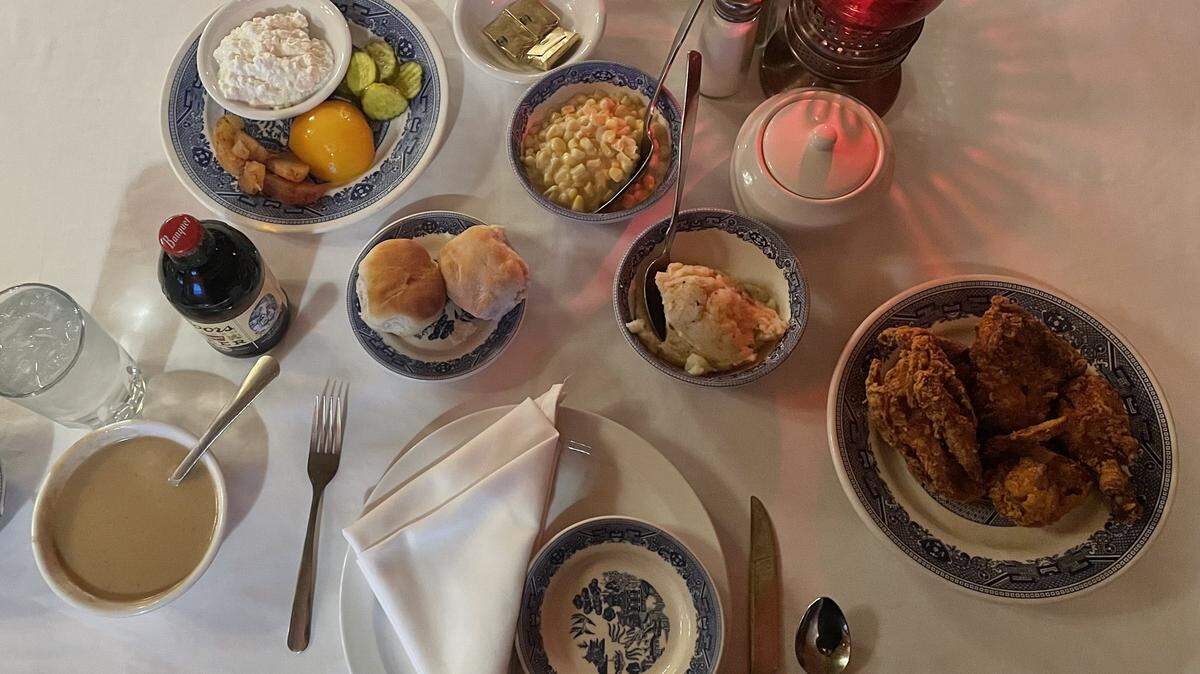
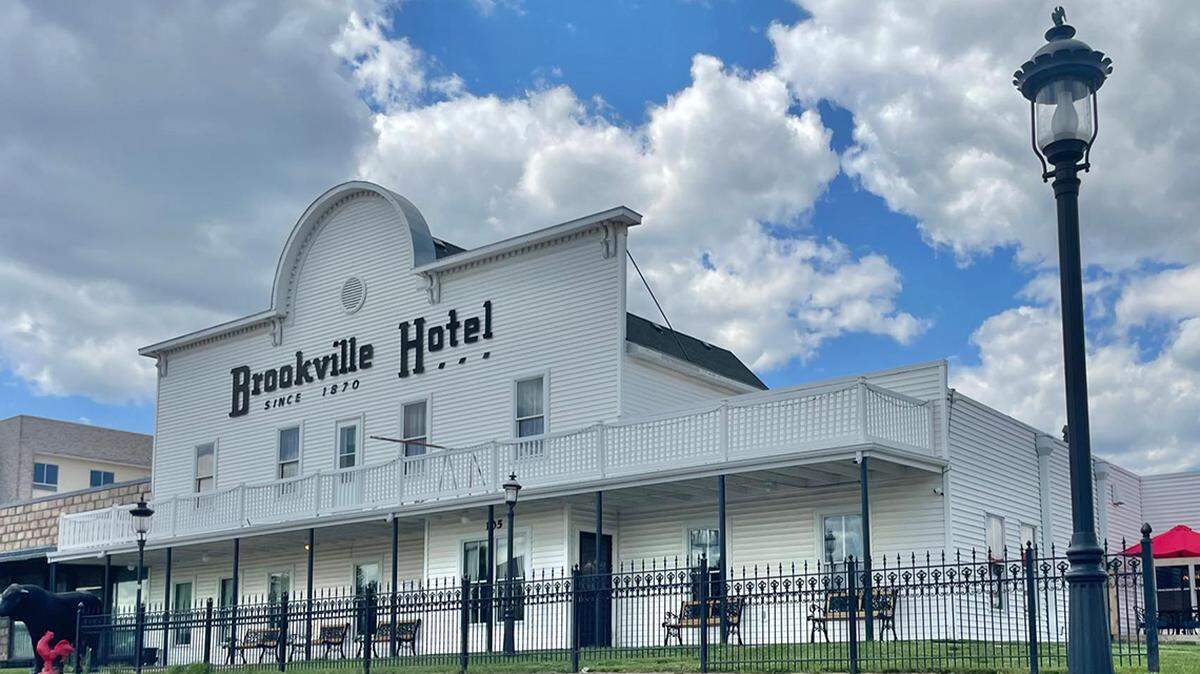
If the Brookville Hotel can no longer survive as the family-style fried chicken restaurant that made it famous, what should happen to one of the most recognizable roadside properties along Interstate 70?
That’s the question now circulating among tourism officials, economic development groups and nonprofit leaders in central Kansas following the messy unraveling of the Brookville Hotel in Abilene a few weeks ago.
As I previously reported, the restaurant — renamed Legacy Kansas a few years back — had been wobbly for a while. The original owners lost the place in foreclosure during the pandemic. The Munson family of Junction City bought it in 2022 and tried to merge the old Brookville Hotel chicken-dinner operation with elements of their former steakhouse, Munson Prime.
It never quite stabilized.
The place kept odd hours, repairs piled up, and management changed repeatedly. Even people rooting for the place often sounded exhausted talking about it.
The most recent manager, Jeffrey Higgins, told me he had spent months trying to engineer some kind of rescue arrangement involving nonprofits and local entities that could eventually transfer the property to him. Those efforts failed. Higgins and his wife are now entirely out of the picture, the Munson family emphasized in a statement to me.
So the future of the property now rests solely with the Munsons.
That situation itself has become complicated. Chuck Munson died less than a year after buying the restaurant. Deanna Munson has dealt with health problems. Their daughter Michelle, a California tech executive and entrepreneur, has largely been overseeing finances from afar while balancing her own career.
In an email, Michelle Munson told me her family is willing to donate the property “free and clear of debt” to a nonprofit organization if the right long-term use can be found.
Julie Roller Weeks of the Abilene Convention & Visitors Bureau said she has been helping broker conversations around the state about what that use could be.
“The family’s primary goal is to see the property transferred quickly and turned into a positive story for the community moving forward,” Weeks said.
Changing habits in restaurants
Weeks said she’s spoken to “nearly a dozen community, economic development, agriculture and nonprofit leaders across Kansas” regarding possible future uses and ownership structures for the property.
“Discussions so far have focused on local foods, restaurant and retail concepts, workforce development, nonprofit partnerships and mixed-use redevelopment opportunities,” Weeks said.
My take: The priority should be preserving some kind of restaurant there.
It is true that people no longer eat the way they did when the Brookville Hotel became famous.
The old model depended on huge crowds showing up for giant family-style fried chicken dinners served in massive dining rooms by large staffs. Food costs were lower, labor was cheaper, and rural Kansas had more people and more disposable income tied to agriculture.
Now many travelers want something faster and cheaper off the interstate. Even people who live in these towns are more likely to eat at a Mexican restaurant, sports bar or fast food chain than sit down for a two-hour fried chicken dinner with mashed potatoes and cream gravy.
But Abilene still has a major tourism advantage.
The Eisenhower Presidential Library continues to bring in a steady flow of visitors. Bus tours still roll through town filled with travelers looking for some version of an old-fashioned Kansas experience before getting back onto Interstate 70.
A large roadside restaurant serving hearty Midwestern food makes more sense in Abilene than in many rural Kansas communities. It’s authentic seeming, even if it’s not authentic to how people in this part of the country still live.
And isn’t that what tourism is, after all?