Art Fillmore’s war was in Vietnam, but his life’s work was in Kansas City | Opinion
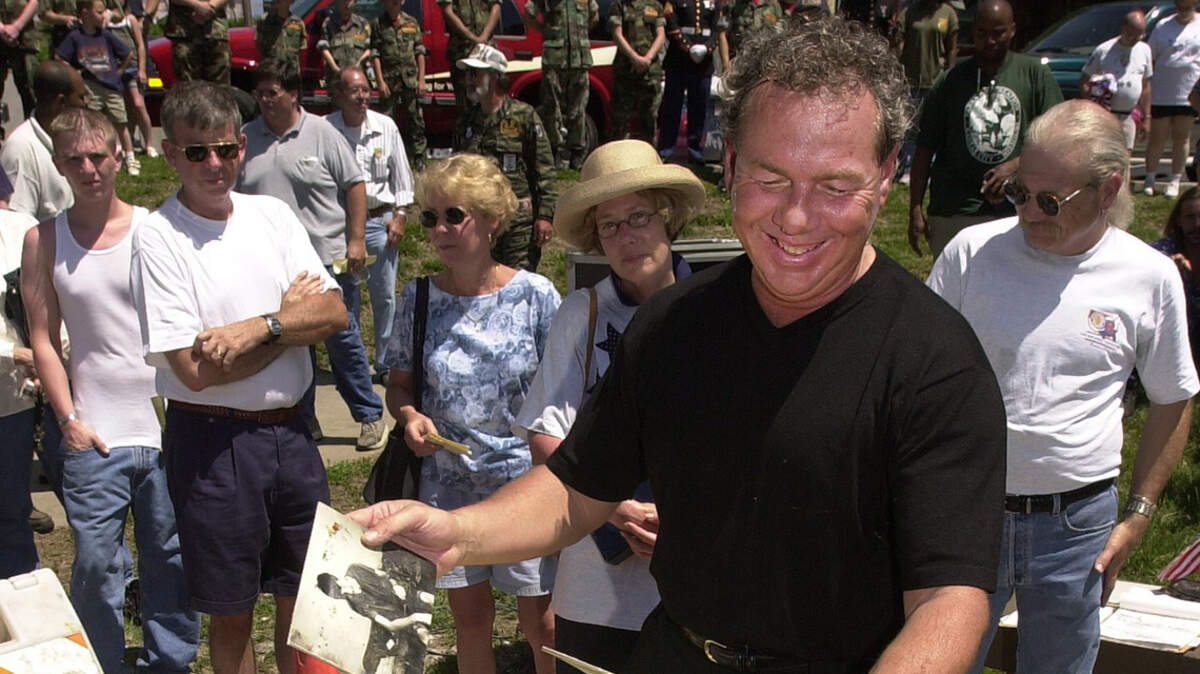
Art Fillmore survived firefights in Vietnam that killed most of the men around him.
He made it home and lived another 55 years, and he didn’t spend them quietly. He practiced corporate law. He opened nightclubs and athletic clubs. He chased big deals and took big swings.
But Fillmore, who died Sunday at 79, will be best remembered in Kansas City for what he built for the men he once fought beside: the Vietnam Veterans Memorial in Westport and St. Michael’s Veterans Center, a Kansas City housing campus for formerly homeless veterans.
“He was a giant in the veterans’ community,” said Kevin Regan, a longtime friend and fellow lawyer. “When Art started doing what he did, Kansas City had thousands of homeless veterans on the streets. Today that number is a lot closer to zero.”
Fillmore came home from Vietnam full of memories that didn’t easily settle. He had served as an Army forward observer directing artillery and airstrikes in combat. For years, like many veterans of that era, he didn’t talk much about what he had seen. At a University of Missouri football game not long after his return, a celebratory cannon fired and Fillmore instinctively dove under his seat.
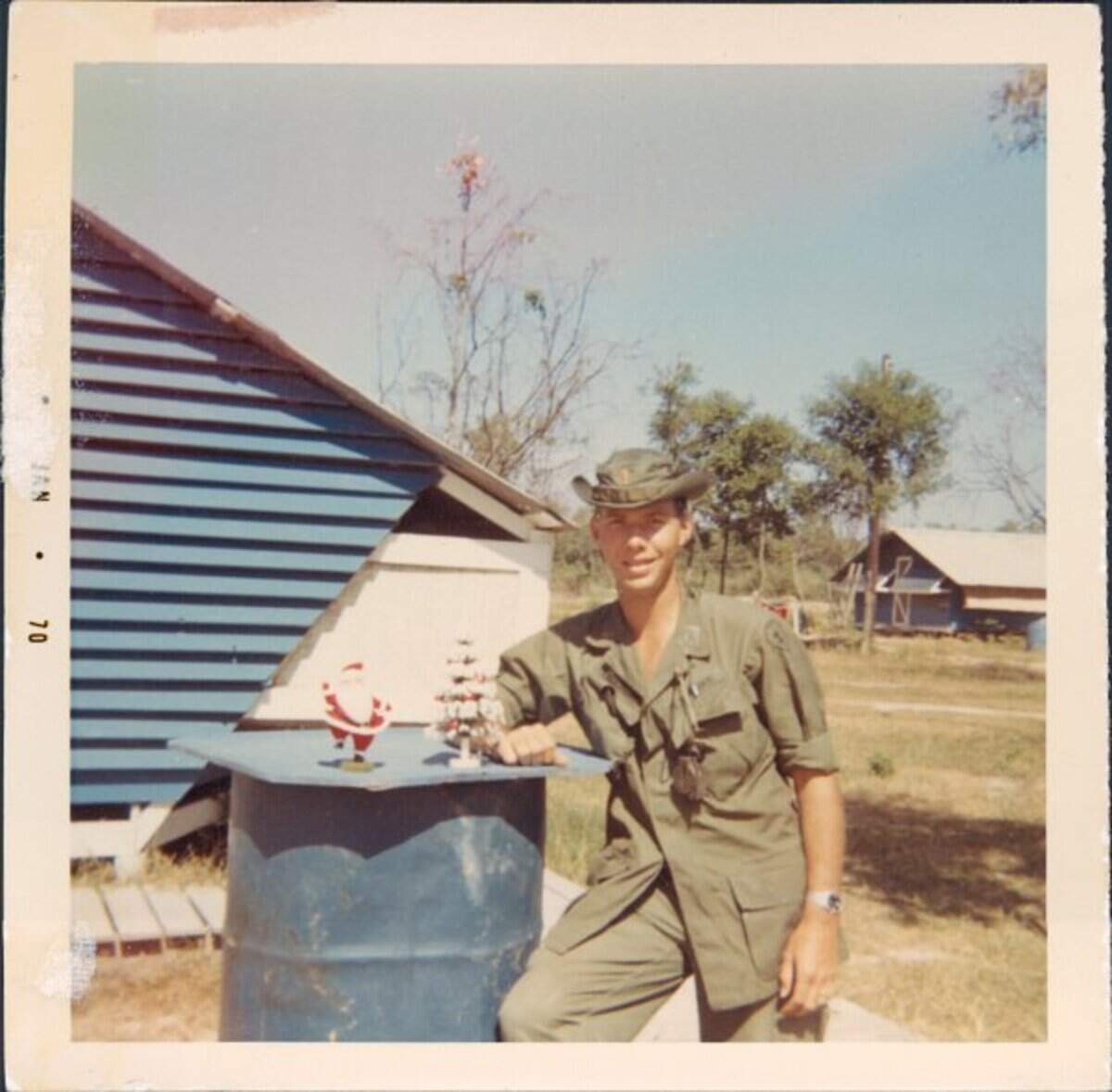
“He had horrible PTSD,” said Fillmore’s daughter, Julie Schrader. “But he channeled it into his work helping other veterans who’d gone through what he’d been through.”
Fillmore enrolled in law school at Mizzou, earned his degree and moved to Kansas City for his first job at the firm Gage and Tucker. Around him, the country was still sorting out its feelings about Vietnam. The war had ended, but the reception for many of the soldiers who fought it remained complicated. Public gratitude was uneven. In some cases, so was basic respect.
Fillmore and a fellow veteran, attorney Chuck Patterson, decided the city should have a place that said something different. In the early 1980s, they began pushing to build a memorial for Vietnam veterans in Westport near 42nd and Broadway as a way to honor the people who served, regardless of how the war itself was remembered.
The Kansas City Vietnam Veterans Memorial was dedicated in 1986. Its design traces the arc of the war — escalation, division and the slow passage of time — and centers on a granite wall bearing the names of 451 Kansas City-area service members who were killed or went missing.
Four decades later, people still leave flags and flowers along the wall.
Deals and detours
Fillmore was born in Wichita and raised in the St. Louis suburb of Kirkwood, but he made his home in Kansas City.
He became a familiar presence in civic and social circles — serving in 1983 as treasurer of the pro-1-cent sales tax Kansas City Future Committee, organizing benefits for the Kansas City Ballet and occasionally appearing in the society pages of The Kansas City Star.
At the same time, Fillmore was building a law practice in mergers and acquisitions and dabbling in ventures of his own. He was part of the partnership group behind the Plaza Athletic Club, alongside attorney Tom Condon — who would go on to become one of the country’s most prominent sports agents — and Kit Bond, then a former governor and future U.S. senator. Fillmore also helped launch the Guitars and Cadillacs nightclub chain and later opened London’s, a bar in Westport.
Some of the ventures worked. Others didn’t.
“He was somebody that liked to live life a little bit on the edge,” his son Scott Fillmore said. “He liked to press the envelope. He drove fast cars and took big gambles. He had a lot of failed businesses. But he took a lot of shots.”
In the mid-1990s, Fillmore returned to Vietnam for the first time since the war, helping lead a medical relief effort through Heart to Heart International. He traveled to clinics near places where he had once called in airstrikes and met North Vietnamese soldiers who welcomed him not as an enemy, but as a partner in healing.
Fillmore told The Star in 1995 that the trip forced him to confront memories he had long kept buried.
“Vietnam is an unfinished chapter in my life,” Fillmore said. “I felt a sense of loss and failure for what we hadn’t accomplished there. This was a chance to put the nightmares to rest, to make the demons go away.”
With friend Bob Waechter, Fillmore in 1993 founded the Heart of America Stand Down Foundation, an annual weekend gathering where homeless veterans could get haircuts, medical care, legal help and a few days of stability.
Thousands came through over the years. But when the tents came down, most of the veterans returned to the street.
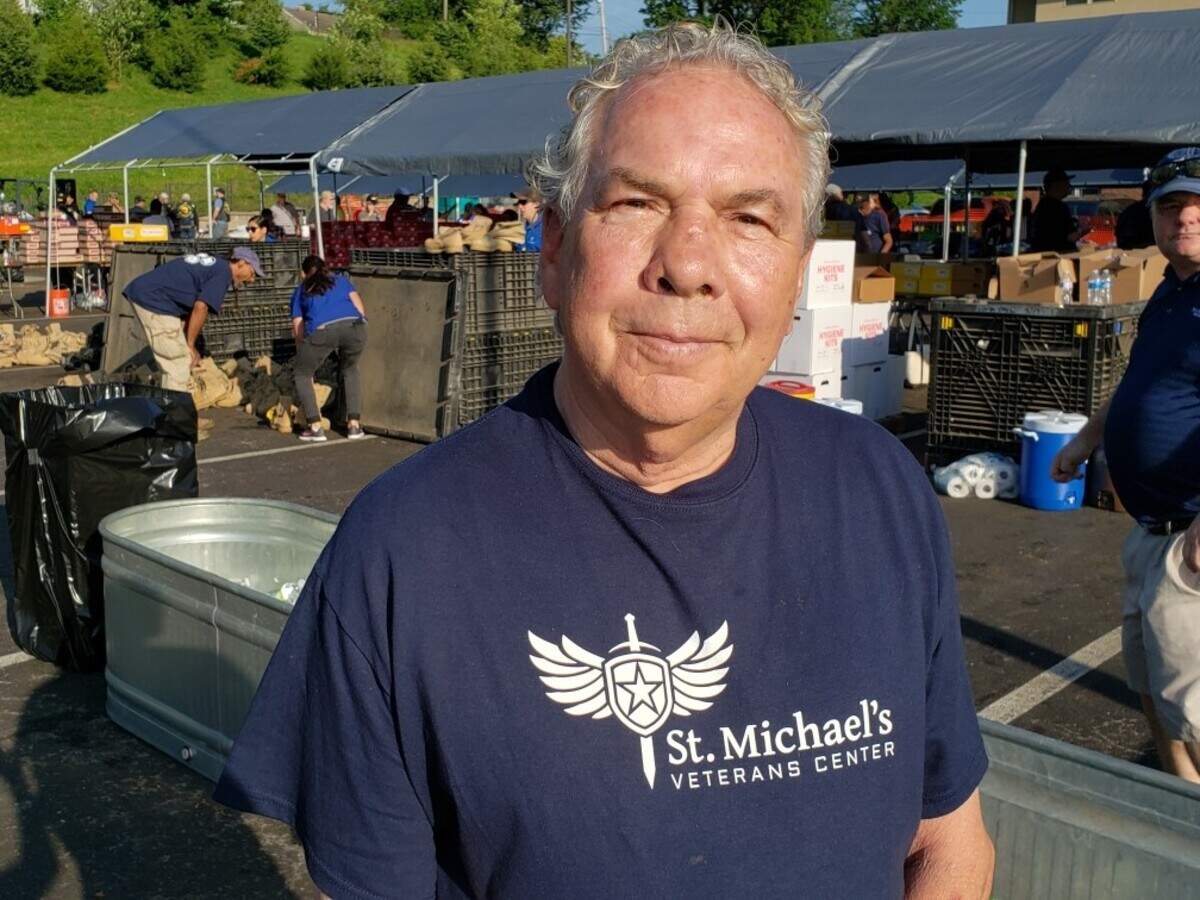
“Art knew they needed a better solution,” said Susan Engel, executive director of St. Michael’s Veterans Center. “They were only helping people for a few days. So many of the veterans needed a real place — a place with dignity. They needed a home.”
St. Michael’s in Kansas City
The answer, Fillmore and a small group of collaborators began to believe, was permanent housing.
Working with partners including Engel, Mike Halterman, Stuart Hunt, Cliff Cohn and Jonathan Cohn, Fillmore helped push forward what became St. Michael’s Veterans Center, a supportive housing campus at 3838 Chelsea Drive near the VA Medical Center.
It took years.
“I left so many meetings thinking, ‘This isn’t going to happen — how will this ever happen?’” Engel said. “But Art always knew the next step. Not everything we tried panned out, but eventually it worked.”
The first building opened in 2014. Over time, the campus has grown to include three residential buildings with nearly 180 apartments for veterans who had been homeless or at risk of becoming so, along with on-site services and community space. Residents sign leases and pay a portion of their income in rent. Most stay. The retention rate hovers around 90% , which is far higher than typical housing programs. Engel said St. Michael’s has provided housing for 340 veterans since opening.
Fillmore served on the board from the beginning and had hoped to remain until the campus’ third residential building was formally dedicated. He didn’t quite make it to that ceremony. But he was still visiting the site in the final weeks of his life and was able to see the latest phase completed and construction beginning on a memorial park on the grounds, Engel said.
Fillmore began feeling ill on Feb. 11. He was soon diagnosed with bile duct cancer and told he had little time. Within a week, he was in hospice. He died Sunday morning, Feb. 22. He is survived by three children — Brent, Scott and Julie — and six grandchildren.
Regan said that before the diagnosis, Fillmore had been plotting ways to bring the veterans’ memorial in Westport back to life.
The five pools and fountains once flowed, surrounded by verdant grounds and lights that glowed at night. Nearly 40 years on, the site shows its age. Some of the stone has weathered. Cracks run through the foundation. The landscaping has thinned and part of a retaining wall is beginning to slip. The fountain itself is often broken, at times dry, with glass, trash and debris piling up in the basins. A city report last year ranked it sixth-worst among 50 city-owned fountains and estimated it would take $2.9 million to restore it to working order.
“Art wanted to see the city do the right thing and fix the memorial,” Regan said. “He figured there was probably a way to get it done if one of the big construction outfits in town like Kissick or Clarkson or Dunn got involved and gave the city a discount on the work. Something like that.”
Art Fillmore spent a lot of his life making those kinds of calls — pulling together the right people and nudging projects across the finish line. It would be a fitting tribute if the city found a way to do the same at the monument he built.