Kansas City moved to close a downtown nuisance business. It hasn’t worked | Opinion
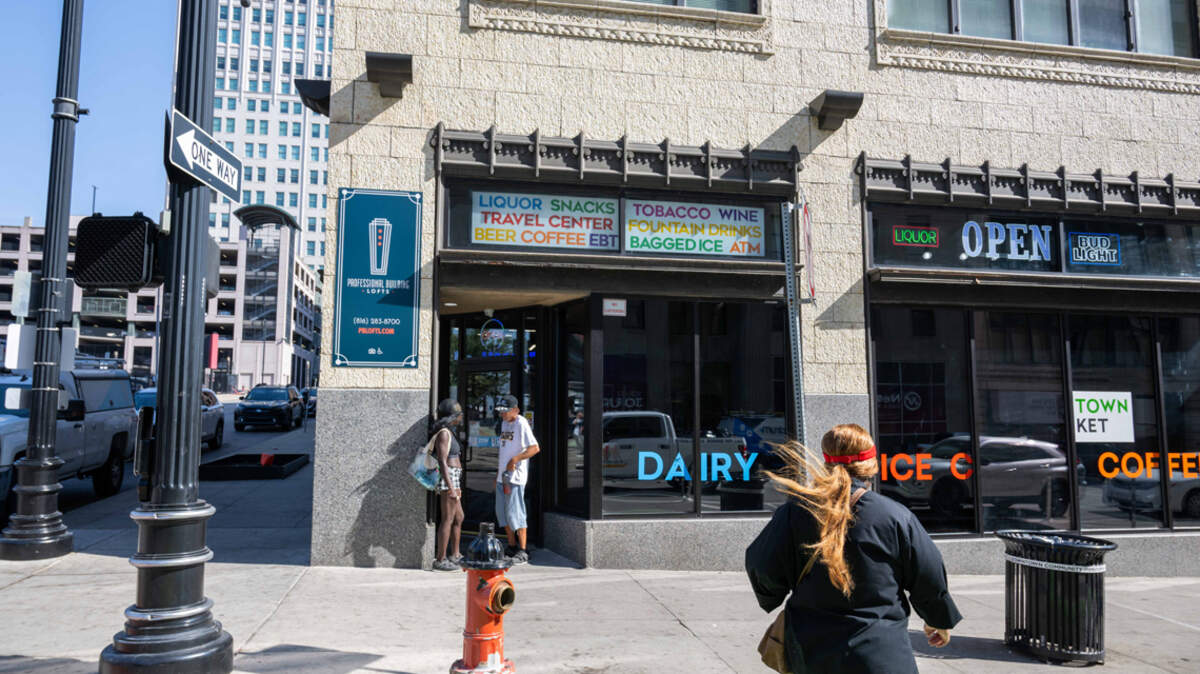
For a business that was supposed to be on the brink of closure, Downtown Market is doing a brisk trade.
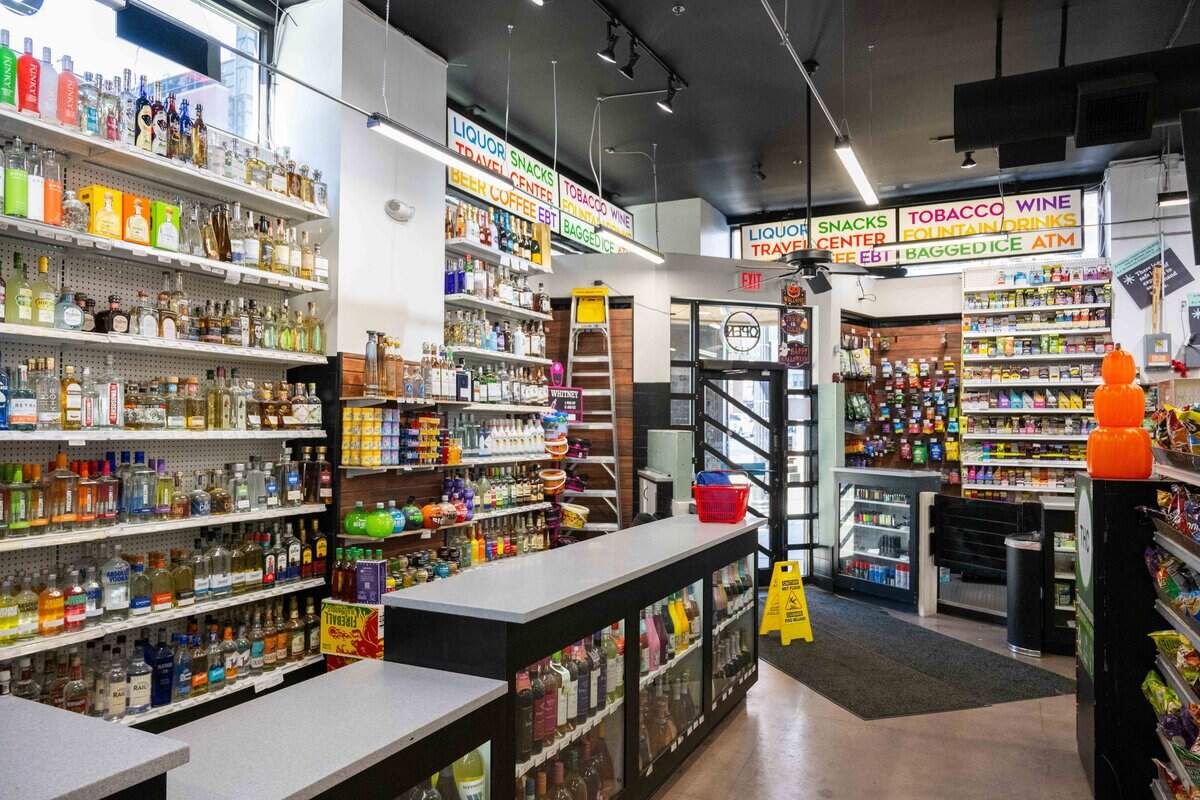
Five months after the city labeled it a nuisance and the landlord moved to evict, the lights are on at 1103 Grand. The beer coolers hum. The liquor selection remains vast. The counter display still includes synthetic urine kits for anyone looking to game a drug test. Step outside the market, and you won’t struggle to find a sidewalk entrepreneur selling some of the substances those tests are meant to detect.
“We’re still seeing all the same activity, dealing with all the same problems,” said Jason Swords, one of the owners of The Grand, a high-rise a few doors down. “We still find bottles of alcohol all over the place on the sidewalks every morning. There are vagrants everywhere. We still see people hiding in the alleyways, peeing on the sidewalks.”
It has not been for want of effort from those with authority to intervene.
In September, Public Safety Director Lace Cline sent Downtown Market a cease and desist letter giving the store 10 days to correct conditions the city said enabled “unrelenting, open, and notorious drug activity and public intoxication.” The letter cited 184 calls for service over two years — 101 of them disturbances — and referenced a January 2025 shooting inside the store.
Two months later, the building’s owner took the matter to Jackson County court. The Alexander Company, which owns the 16-story Professional Building where Downtown Market occupies the ground floor, filed suit seeking to give Downtown Market the boot. The landlord says it sent a notice of default in October, gave the tenant time to address multiple violations, then terminated the lease when it concluded the problems continued. It has asked a judge for possession of the space and back rent while the case plays out.
The city and the landlord have the same gripe: The lease envisioned something more like a grocery store for on-the-go downtown dwellers and workers. The operation on the ground moves mostly booze and attracts loose characters that have turned the block into something resembling a skid row.
Shawn Choudry, part of the management team that owns Downtown Market, has a different version of the story: This is a city problem, not a Downtown Market problem.
“Downtown Market didn’t get 184 calls for service,” Choudry told me back in the fall. “This area did. The problems come from outside our store, not inside.”
Choudry said this week that he preferred to let his countersuit against The Alexander Company do the talking for now. That complaint, filed in January, says the market’s owners poured hundreds of thousands of dollars into renovating the space and that its mix of groceries, alcohol and tobacco was approved from the start. It argues that, contrary to the landlord’s allegations, alcohol makes up less than half of sales and that much of the activity cited by the city happens at the bus stop across the street. It accuses the landlord of using the city’s nuisance designation as leverage to push them out of a long-term lease.
Problems beyond a lease dispute
This fight probably burns hotter because of where it sits. The corner of 11th and Grand is a few blocks from the Power & Light District and T-Mobile Center, adjacent to the city’s financial district, and next door to the Ambassador Hotel. It is a part of downtown that’s supposed to feel stable and safe, a stretch of street the city will be showing off to visitors with the World Cup on the horizon.
Swords and his investors at The Grand have been saying for months that the disorder around their building is bleeding into their balance sheet. They’ve asked PIEA, the city’s Planned Industrial Expansion Authority, for additional tax relief, arguing that shootings, street activity and constant repairs have made their $69 million investment increasingly difficult to sustain.
PIEA hasn’t taken up that request yet; chair Tom Porto told me this week that he expects it to come before the board later this spring. I imagine Kansas City Public Schools and other taxing jurisdictions that would forgo revenue in such a deal are unlikely to shrug quietly at the prospect of extending further relief to a project already enjoying a substantial tax break.
Swords said he has noticed a stronger police presence in recent months. He credits officers for spending more time on the block and the city for trying to take action against Downtown Market, even if the day-to-day street scene still looks familiar to him.
On my own drop-ins over the past few months, the store does appear to be on slightly better behavior. The supply of kratom products and other “gas station drugs” has been cleared out, and I’m not seeing loosies or airplane bottles moving across the counter.
His complaints are backed up by the call data regardless. I asked KCPD for calls to service to the address since the cease and desist went out in September. Between late August and mid-February, police logged 215 calls — including most commonly disturbances (69), followed by advice or non-emergency calls (56). At least 10 incidents involved weapons, and more than 40 required fire or EMS response.
I asked Mayor Quinton Lucas Wednesday where the city stands on the matter, and got a statement heavy on legal phrasing. The plain-English version reads something like: The city intends to keep citing and pushing for compliance while the landlord-tenant case works its way through court, and it hasn’t ruled out shutting the place down if conditions don’t improve. It has made a similar move at least once in recent years, when it closed an illegal nightclub on Prospect Avenue after a shooting.
But it remains hard to know how much the issue involves Downtown Market customers versus people who would be on that corner regardless. Closing Downtown Market might remove one piece of the puzzle. But the corner sits at the intersection of much bigger problems in the city: chronic homelessness, addiction and a mismanaged KCPD budget that has started to make sustained community policing feel like a luxury. One padlock won’t solve all that.