
The echoes of 9/11: If democracy fails, the terror attacks will be the reason why
American democracy is at risk, and the 9/11 attacks are the main reason why.
It has been gasping for breath for decades. For people my age, it started with the killings of John Kennedy and his brother Robert, and Martin Luther King Jr. Race riots, the Vietnam War, campus shootings are on the ledger.
Younger readers will remember Watergate, and a president’s resignation in the face of impeachment. The Iranian hostage crisis. Oklahoma City. Bill Clinton’s impeachable escapades.
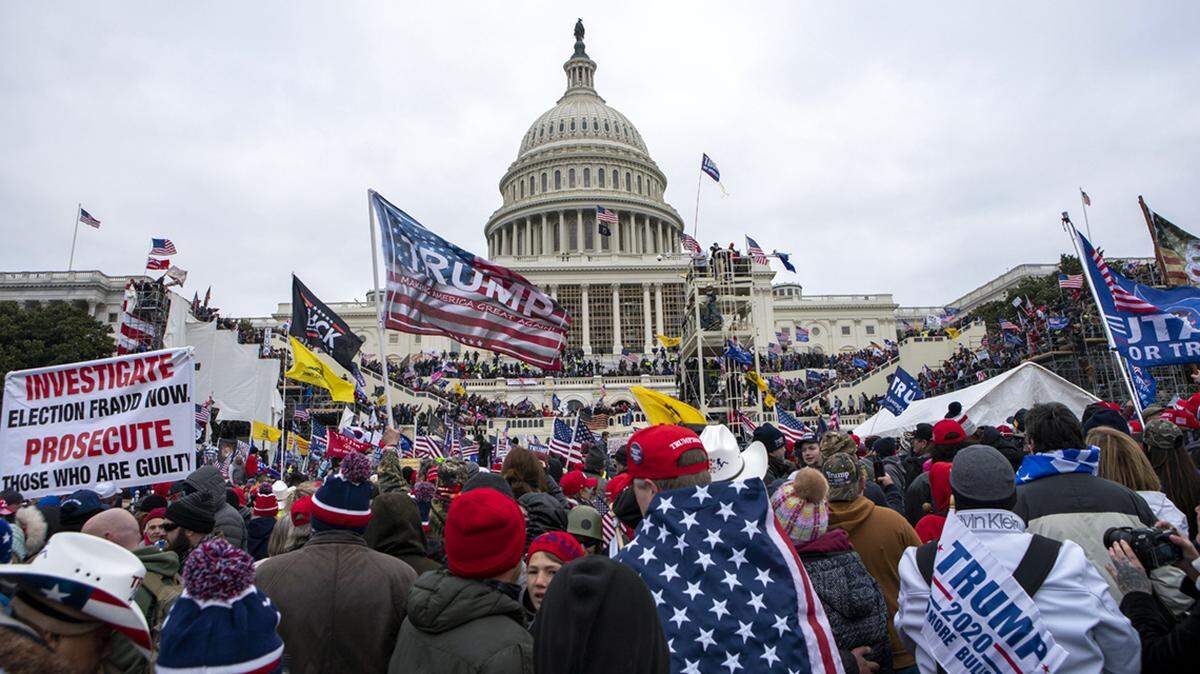
Still younger? Bush v. Gore. Economic collapse. Two impeachments of one president. The Jan. 6 insurrection. And, of course, the COVID-19 pandemic.
All of these things have rattled the foundations of self-government.
But no event of the last 75 years seems a bigger threat to self-rule than the 9/11 attacks in New York, Washington and Pennsylvania. If American democracy falls — not guaranteed, but more likely now than ever — historians will point to the terror attacks as the beginning of that tragic end.
Even now, the scenes from that devastating day are horrific. Smoke, ash, paper and steel jumbled with terror, heroism, confusion, disbelief. The 9/11 Commission later attributed the attacks to a failure of imagination, but the images are real. It really happened.
In the days after terrorists flew hijacked aircraft into buildings, writers noticed a new resolve in most Americans — unity, sure, but a new commitment to seriousness in public life. Fluff is out, we were told. Too much at risk.
It was a mirage. The smoke had barely cleared from ground zero when the fringes began to suggest strange conspiracies were actually behind the attacks. Aided by self-interested voices in the growing alternative media landscape, the stories grew, and grew again.
Fingers were pointed. The government was not to be trusted. It couldn’t keep America safe from 19 hijackers with box cutters.
How did the government react? By striking out, of course: Two foreign wars. New restrictions, new secrecy. Renditions and kidnappings. Torture. Secret courts with secret warrants. Law enforcement in the shadows, them against us, or us against them.
The 2008 economic collapse made things worse. The guilty went unpunished while jobs and careers vanished. The game, Americans came to believe, is rigged.
What happens when Americans’ faith in government is put to such a test? Not unity, we now know, but division. It’s every man and every woman, for himself or herself. Now the goal is freedom.
Independence of thought and action remains a bedrock principle of Americanism, but unrestricted liberty makes self-rule really hard. The very reason for republican government is ordered liberty, where rights are surrendered, through government, to protect lives and promote the common good.
We have argued for more than two centuries over where the line between freedom and order should be drawn. We hold elections to make that choice. Once, politicians understood the outlines of that debate, and observed them.
But the 9/11 attacks, and the nation’s response, convinced millions of Americans that drawing any line is a meaningless exercise, meant for fools. When your safety is up for grabs, only unbridled liberty matters.
The view is reinforced by cynical candidates who will say or do anything for power. A decentralized, libertarian media environment amplifies those voices.
And here we are. Fistfights and shouting matches over masks and vaccines. Gunfire at a weekend festival. Riot and rebellion at the Capitol. Too many Americans think democracy isn’t working — maybe an unelected despot is a better idea. And so on.
It’s exactly what Osama bin Laden had in mind.
Too bleak? Perhaps. Democracy can be resilient: It has outlasted a Civil War, a Great Depression, two world wars. At its best, self-government can lead to better lives. That’s the idea, anyway.
But our democracy isn’t guaranteed. The terror attacks of 20 years ago shook the nation’s faith in self-government, in ways we see around us every day. The outcome remains uncertain.