
Should Kansas City voters renew the KCATA tax Nov. 7? Here’s The Star’s recommendation | Opinion
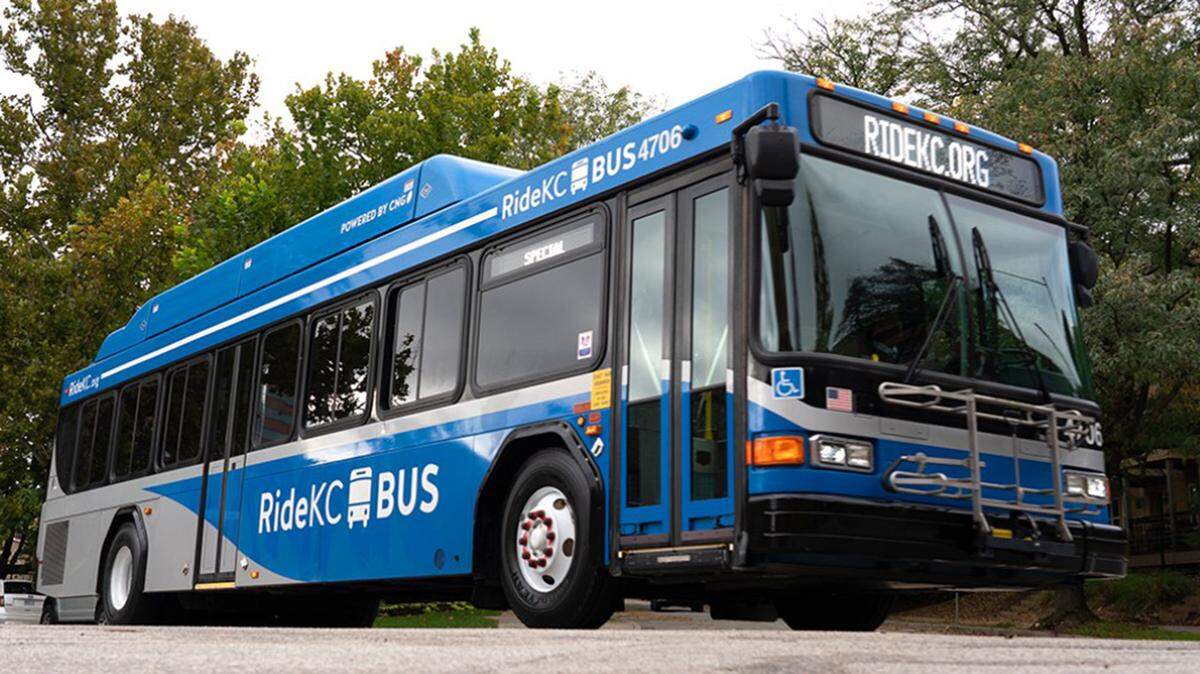
In a perfect world, the Kansas City Area Transportation Authority wouldn’t need a dedicated sales tax to provide public transportation in the metropolitan area. But operating a mass transit system comes with a cost to taxpayers.
Kansas City voters in Jackson, Clay and Platte counties could decide the future of public transportation in the region. On Tuesday’s ballot is Question 1. If approved, the measure would renew for 10 years a 3/8-cent sales tax that pays for bus service in Kansas City.
We encourage voters to say yes to Question 1.
If the measure passes, the sales tax could generate more than $421 million over the next decade for KCATA to maintain and operate RideKC and other public transportation services, according to transit officials. The money would not be used for other projects such as the KC Streetcar extension, officials said.
About 30% of KCATA’s annual operating budget — about $117 million this year — comes from the sales tax. The agency is also funded by a separate half-cent retail sales tax collected in Kansas City. That money is allocated during yearly contract negotiations between the KCATA and Kansas City.
Federal dollars also supplement the transit agency’s budget.
Critics rightfully contend the tax is regressive and disproportionately affects low-income residents, like all sales taxes. But if voters say no to renewing it, the KCATA’s annual budget could be cut deeply. Jobs would be lost and some routes would be reduced or eliminated altogether, according to KCATA officials. Thousands of Kansas Citians who depend on RideKC would be affected as well.
Public transportation is essential for some of Kansas City’s most vulnerable residents: hardworking, middle- and low-income families. More than 1 million trips are made on RideKC every month, according to the agency. Even in a car-centric city like ours, not everyone owns a vehicle. Countless low-wage earners without access to reliable transportation depend on bus service to get them to and from work and other important appointments.
A robust public transportation system is also beneficial to the environment. According to KCATA officials, even people with vehicles regularly ride the bus in Kansas City, leaving fewer automobiles on the road to pollute the air.
Public transit important for 2026 World Cup
First enacted in 2004, voters renewed the tax for 15 years in 2008. It sunsets in March. Since 2010, it has generated $371 million, according to KCATA officials.
Eliminating this important funding mechanism would have a direct impact on KCATA’s planning for the FIFA World Cup 2026 in Kansas City. To host a successful event, a viable public transportation system in our city is vital, KCATA president and CEO Frank White III said.
“If 30% of your budget disappears, it impacts your ability to even provide basic level service,” White said. “When the World Cup comes, we still have to maintain our level of service for the people that use it every day. It is imperative that we maintain this funding.”
Clay, Platte county opposition
Jerry Nolte is presiding commissioner of the Clay County Commission. Scott Fricker is his counterpart in Platte County. In October, Nolte and Fricker released a statement that could sway some in those counties to vote no on Question 1. And that would be unfortunate.
Yes, bus service north of the Missouri River and other areas must improve. But a no vote would most likely make it even more difficult for Northlanders who use RideKC to get around.
Nolte and Fricker have an issue with Kansas City Mayor Quinton Lucas, Nolte told a member of our board in a recent interview. Lucas ignored the commissioners’ pool of candidates for open seats on the KCATA’s 10-member governing board. By law, Lucas must choose at least one person from a three-person list approved by the respective commissions in Clay and Platte counties, Nolte said.
Lucas didn’t follow the law as prescribed — valid claims that must be investigated further — but hasn’t said why, according to Nolte. As a result, Nolte and Fricker asked Northland voters to consider a no vote.
“They are being asked to vote for a tax but they are not getting the representation as outlined in the law,” Nolte said. “To say it’s taxation without representation might be overstating it, but not much. That’s not too far off base.”
In the statement, Nolte and Frocker wrote: “Clay and Platte voters should ask, ‘Without proper representation, will Northland taxpayers get their fair share of tax revenue and KCATA services?’ On November 7, Clay and Platte Kansas Citians should consider whether or not to support this taxation without the legitimate representation as guaranteed to us by law.”
Aside from objections from these commissioners in their individual capacity, we’ve seen little organized opposition to renewing the 3/8-cent sales tax.
Considering the overall benefit, Kansas City voters should say yes to Question 1.
The Kansas City Star’s endorsements
Editor’s note: Our next local elections are next week, Tuesday, Nov. 7, and average voter turnout across the Kansas City area has been low. This week in Opinion, we’ll have editorials and columns on several elections across the metropolitan area. We can’t cover each one, but we’ll highlight a few that are hotly contested.
The Kansas City Star has published a Voter Guide for several areas in our metro to help voters keep informed. Before you cast your vote, use the guide at kansascity.com/election to research what’s on the ballot. Stay tuned this week for more on the elections on these Opinion pages.
Your Johnson County voter guide for city council & mayor candidates
Who’s running for school boards in Wyandotte County?
Who’s running for school boards in Johnson County?
This story was originally published November 1, 2023 at 5:02 AM.