
KC Crime Stoppers is not the police. Tipsters don’t have to fear getting in trouble | Opinion
On a billboard just north of Crysler Stadium near 23rd Street and Crysler Avenue in Independence is a painful reminder that something terrible took place. But that’s the point, said Randy Hill, father of Kansas City homicide victim Dylan Hill.
The billboard — and others the Hill family put up throughout the metropolitan area — alerts passersby that a monetary award is available for any information leading to an arrest in the killing, which remains an open investigation, according to police.
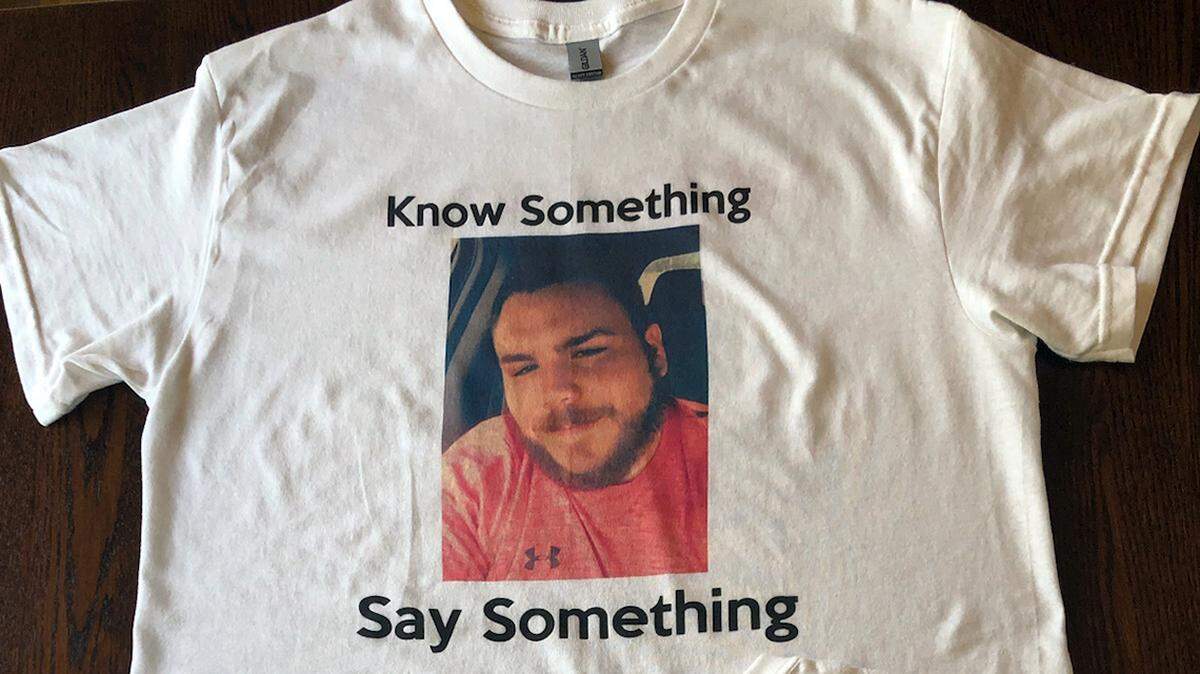
This sign, with Dylan Hill’s face prominently displayed, also “reminds people Dylan was murdered,” his father said.
Despite a reward up to $30,000 offered by the Kansas City Metropolitan Crime Commission’s Crime Stoppers program and Hill’s family, more than a year has passed since the last tip came in about the case, Randy Hill said.
Could this be a clue to the Kansas City Police Department’s low homicide clearance rate? In many cases, someone knows something, criminologists tell us. Because of a lack of trust with Kansas City police, people in the community simply aren’t coming forward with information. As a result, most killings here go unsolved.
Among the city’s 124 homicides so far this year, a suspect was identified, arrested and charged in 55 cases, meaning fewer than half of Kansas City 2023 homicides have been cleared, according to police data.
Why so many open cases? During our conversations with anti-violence advocates, law enforcement officials and community leaders, one common theme emerged: a lack of trust between the community and the Kansas City Police Department.
To combat that, Crime Stoppers officials want to remind the public: The Kansas City Metropolitan Crime Commission is independent of the Kansas City Police Department.
“We are not the police department,” Crime Stoppers coordinator Christina Ludwig said.
Convincing potential tipsters that the entities collaborate only to share information related to crimes has been trying, Ludwig said. In two years as coordinator, Crime Stoppers has not dispersed the $25,000 it offers for information on Kansas City homicides, she said.
In other jurisdictions, the reward for tips average $2,000 to $5,000, according to officials.
Lack of witness cooperation leads to unsolved cases
Almost five years have gone by since Dylan Hill, of Lee’s Summit, was found slain. On Dec. 11, 2018, he was discovered inside his truck at East 80th Terrace and James A. Reed Road in Kansas City. He was 26 when he died. Someone shot the Missouri Department of Transportation worker and father of two multiple times, his father said.
“Someone set him up and shot him six times,” Randy Hill said this week.
Sadly, Hill’s family is not alone. Since 1970, 685 other homicide cases in the metropolitan area have been unsolved according to Corey’s Network, a nonprofit organization providing services to the families of homicide victims. Often, a lack of witness cooperation is to blame.
At times, investigators have little to go on.
People who may want to contact Crime Stoppers’ TIPS Hotline are skeptical that they would be identified or their personal information would be shared with Kansas City police investigators, Ludwig believes. Reasonable fear of retaliation exists, she told us.
We understand why anyone would hesitate to get involved with a serious crime. But think about the families of homicide victims. Grieving loved ones deserve a sense of justice. There is no peace for these families when killers roam free on our streets.
After speaking with representatives of the Kansas City Crime Commission, we learned that tipsters remain anonymous throughout the process. From the first tip to a cash reward, a tipster is never asked for identifying information, Ludwig said. Each tipster is assigned a code that is used as their ID.
To date, Crime Stoppers has awarded more than $1.7 million for tips, officials said. Not once has a tipster’s identity been made public.
In a follow-up email, Ludwig wrote: “Everyone submitting tips is anonymous. So the only way this could happen is if they blabbed their mouths that they submitted info to the GKCCS program!”
Tipsters different from witnesses or snitches
Carl Boyd, 81, is a longtime community activist and sits on the Crime Commission’s board of directors. He volunteered to better understand how Crime Stoppers operates, he told us.
As a decadeslong anti-violence advocate, Boyd understands the nuisance of being cooperative and the subcultural relationship between the community and the Kansas City Police Department.
Some with information may not grasp the distinction among a tipster, witness or snitch, Boyd said. Witnesses talk to police and testify in court, he said. Tipsters don’t.
“When reaching out to huge impact communities, the responses range from, ‘We need Crime Stoppers and we need rewards for tips,’ all the way to, ‘We don’t want to be snitches,’” Boyd said. The public “needs to know we are not the police,” he said.
Dylan Hill’s family added $5,000 to the TIPS reward in his case. “We’re probably going to add some more in December,” Randy Hill said. “And we are going to keep adding money until Dylan’s killer is caught.”
Is the promise of anonymity and a cash reward enough to bring people forth with credible info on Kansas City homicides? It should be. We believe a $25,000 reward for anonymous tips would help Kansas City police clear unsolved homicide cases.
You should too.