
Kansas City’s next police chief needs a new message and a better strategy
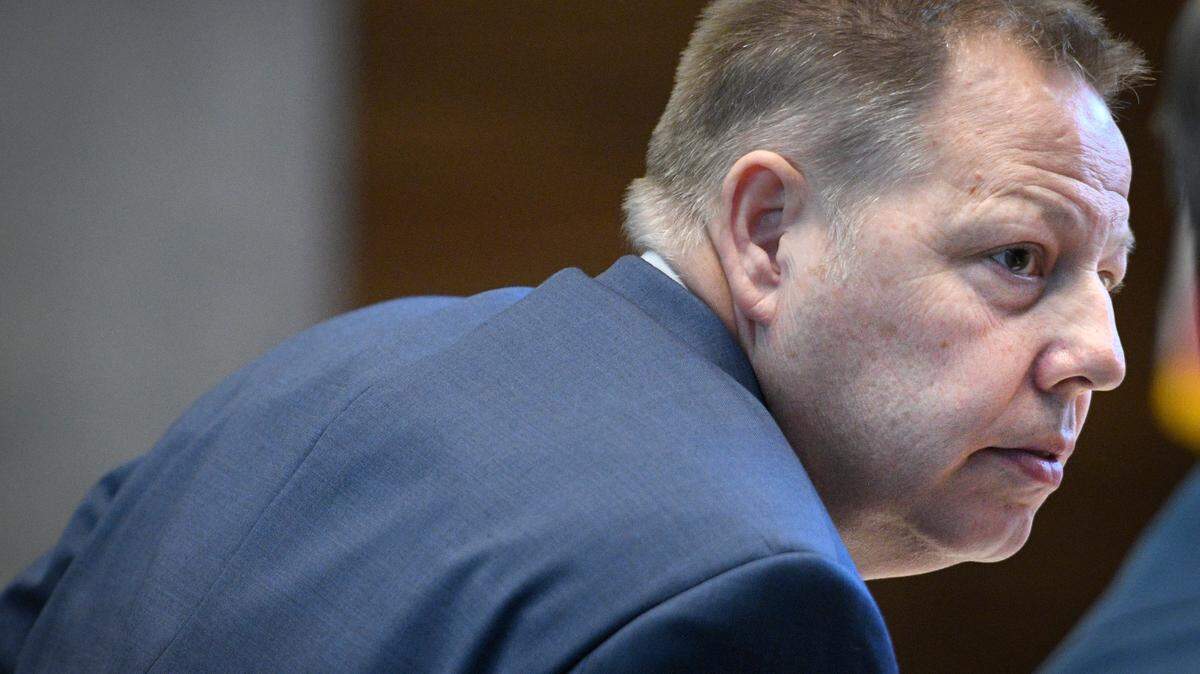
As a group of south Kansas City residents gathered Monday night at the South Patrol Division Station to discuss what they want from the next leader of the police department, outgoing Police Chief Rick Smith appeared and gave a frightening description of the lack of services provided by the department he’s leaving behind.
Smith came south to talk, as always, about how much more money it would take — about $8 million — to fully staff the police department, which has roughly 1,232 officers, down from the nearly 1,500 employed at its peak. (By comparison, Omaha, which is about the same size as Kansas City, has one-third fewer officers, about 900. Another similar-sized city, Minneapolis, has 770 officers.)
The Kansas City Police Department is and has been fully funded, getting far more than the state-required 20% of the city’s general revenue. a $269 million budget. The majority of its $269 million — 94%, in fact — goes to personnel. This year’s budget includes money to hire as many as 88 more officers, plus provides for raises, training and community policing.
Smith says the department is so understaffed, it can’t keep up with the increase in 911 emergency calls.
But maybe the problem is the way Smith has configured the staff. His policing strategy involves a scattered approach that dispatches officers all over the city, throwing them into communities they don’t know.
That is the opposite of community policing. And it’s a strategy that has not reduced crime.
Major James Buck, South Patrol’s commander, said he has six officers per shift patrolling the South Kansas City zone. If a crime occurs in south Kansas City, four of those officers are pulled away, leaving only two officers to cover a very large area, where in recent years gang violence, shootings and homicides have increased. The end result is inadequate patrol and unacceptable response times.
Smith also disbanded the department’s cold case squad, to the dismay of Mayor Quinton Lucas and City Council members. Families waiting for years to find out what happened to missing loved ones now have even less hope of getting answers. Lucas, who sits on the Board of Police Commissioners, wants the cold case department reinstated.
But that’s not all Smith disrupted on his way out the door. He’s all but gutted the police Athletic League and DARE youth outreach programs that are now barely staffed. This does nothing to improve police-community relations, either.
Councilwoman Andrea Bough, who attended Monday night’s meeting, which was held in her district, said Smith painted his same old message of “just rhetoric about defunding the police,” she said. “It’s just a scare tactic, to get more money.”
The problem, Bough said, “is not a lack of funding.” It’s poor leadership and the inability of KCPD to recruit and retain officers. Even if the city gave police money to hire the 150 or so more officers Smith says are needed, Bough doubts the department could actually get enough applicants to fill the spots.
Chief Smith’s last day is April 22, But since he set the year’s budget, promotions and strategic course for the next year, KCPD will reflect Smith’s poor leadership even with him gone.
The process to find a new chief and then reevaluate strategy and priorities will take months. Any new strategy, Bough said, should emphasize putting more patrols where crime is and where the highest demand for service is.
Recruiting efforts should enlist help from communities of color, said United Believers Community Church Pastor Darron Edwards, who founded a group that has worked to improve police and community relations.
The KCPD “ought to be asking the community about where and how to recruit, especially when targeting Black and brown people to become officers.”
Edwards said the department can’t keep doing things the same old way. “It’s like KCPD wants to use an 8-track analog when dealing with an MP3 digital generation. It just isn’t going to work.”