
One clear choice on dividing Kansas City Northland districts north-south or east-west
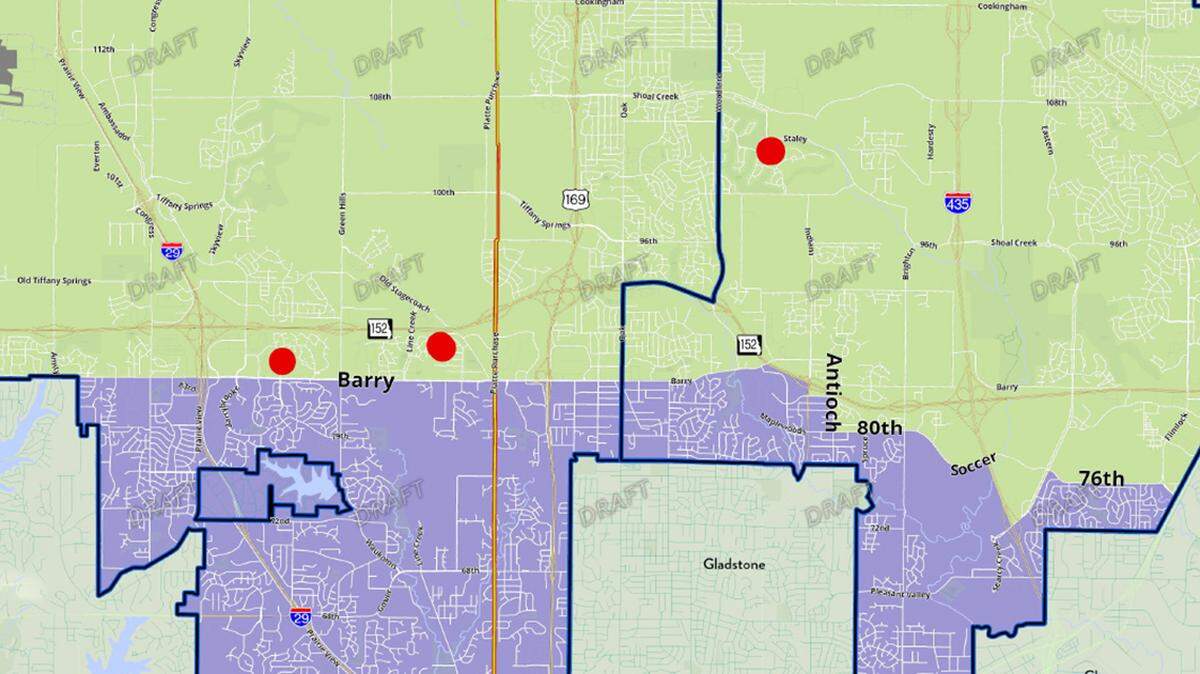
Thursday, the Kansas City Council will debate a final map with new council districts. Dozens of residents, some arriving by bus, are expected to crowd into the chamber to watch.
The city’s charter requires a map by the end of the year, based on the 2020 census. Since the City Council won’t meet again in 2021, the final vote is here.
Kansas Citians who live north of the Missouri River will get two full districts with four seats no matter what the council does. The only question is whether the Northland will be split into north and south districts, as recommended by a special commission, or remain split into east-west districts, as has always been the case.
The north-south map is meant to give voice to younger, less wealthy Kansas Citians who live south of Barry Road. All four Northland council members now live north of that thoroughfare, protected by the wealth and influence from richer neighborhoods.
Northland business and political leaders furiously oppose the north-south idea. “Our Northland council members have a real fight on their hands and need our support!” the Clay County Economic Development Council said in a flyer inviting residents to lobby the council Thursday.
The four Northland council members are expected to support a map that restores the east-west status quo. They’ll need the votes of three council colleagues to prevail.
We urge council members to resist that pressure and endorse the recommended north-south configuration.
The new map “enhances electoral opportunities for heretofore disaffected residents of the moderate income and ethnically diverse neighborhoods south of Barry Road,” the Urban Council, a coalition of several groups devoted to minority rights, said Tuesday in a letter to the City Council.
“Giving voice to those citizens will make this a better city,” the group wrote. We agree.
The north-south map doesn’t dilute the influence of Northland residents. The districts will still contain roughly the same number of people. The map merely creates space for candidates who now sit outside the traditional power structure to give voters better choices.
Disturbingly, some supporters of the east-west map have injected racial arguments into the conversation, claiming a Barry Road dividing line would create another Troost Avenue — a dividing line between white and Black Kansas Citians.
The City Council should ignore such arguments. The north-south map gives long-ignored residents a fighting chance at running and winning. That’s all it does.
This dispute is yet more evidence that the current six-in-district, six-at-large council framework is outdated. If Kansas City changed to 12 in-district seats, for example, the Northland would likely get five seats, which would be enough to promote new voices and address traditional concerns north of Barry Road.
That’s the long-term answer, and the City Council could tackle the issue next year. If it acts quickly enough, it could provide new districts in time for the 2023 elections, making Thursday’s vote irrelevant.
That won’t change Thursday’s reality, however. For now, the council must choose between a north-south map, and an east-west map. The recommended map, known as 8.4.3, should prevail.