
Don’t silence another generation of Hispanic voices in Kansas City Council districts
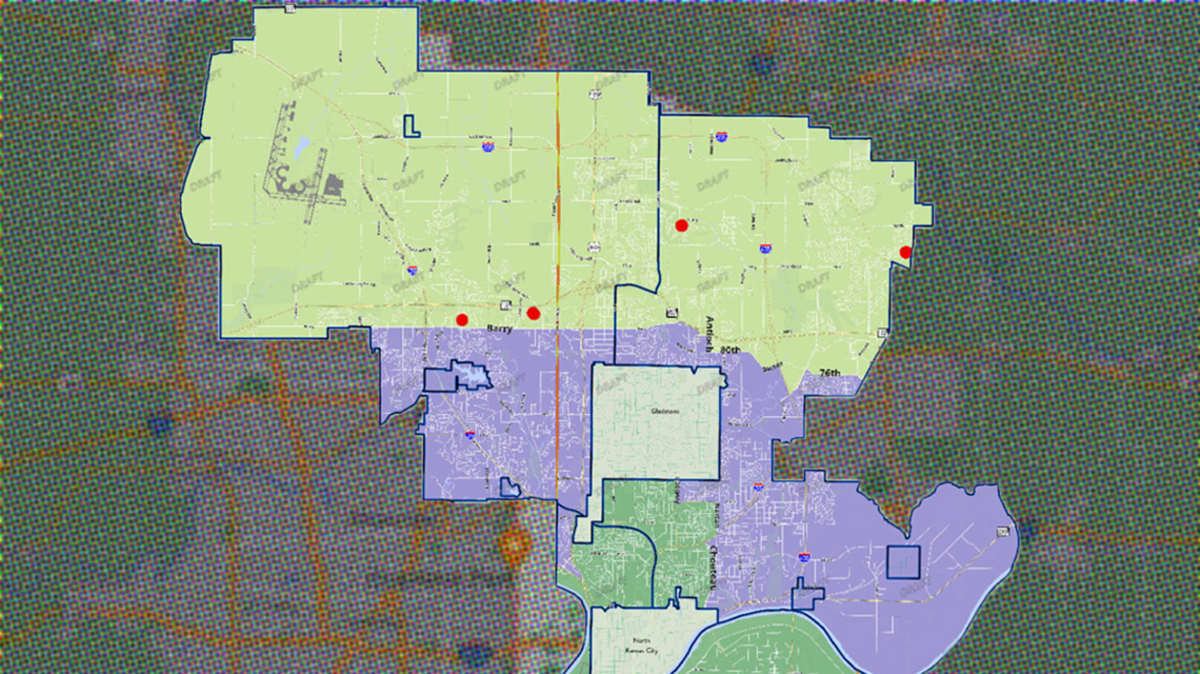
Kansas City may soon approve City Council district maps that, with luck and good sense, will never be used.
Instead, 2022 must be the year the city abandons its current six-district council configuration for a system that is fairer and more open.
That isn’t the case now. Just look at the new council maps now under review: The proposed 6th District stretches like a string bean from Westport to Grandview, 100 blocks long and about 24 blocks wide.
The 4th District stretches north from Westport, across the river, to Gladstone — and east, almost to Independence. It resembles a lobster.
These are big districts, and voters are scattered. The 1st District runs from the airport to the edge of Liberty. The 2nd runs from just east of Weatherby Lake to Sugar Creek.
No in-district council member could competently represent such widely dispersed residents. The 4th District council member, for example, must reflect the interests of residents in Old Northeast, Briarcliff, and the Hispanic community of the West Side — all at once.
The 3rd and 5th Districts, where most Black voters live, have been enlarged (although the Black vote in those districts is shrinking.) But the new maps abandon any pretense of carving out room for a potential Latino or Latina candidate, which represents a major failure.
This isn’t the fault of the redistricting commission drawing the new maps, and it won’t be the City Council’s fault when they approve the maps, as they must, by the end of the year. The commission worked hard and approached its duties thoughtfully.
Blame the city’s six-district system instead. Kansas City is too large geographically, and growing so rapidly and unevenly, that fairly representing competing interests in just six districts can’t be done. Under the new map, each district will contain roughly 84,600 residents, further stretching the connection between council members and their constituents.
Here’s a better approach: After the City Council approves the new maps, Mayor Quinton Lucas should convene a Charter Review Commission to propose changes to the council’s six-district structure. There is some support for 12 council districts; others have suggested nine in-district seats and three at-large positions. Both ideas deserve review.
While that process is underway, the city can draw up new maps with 12 districts, or nine-and-three. That way, voters can go to the polls in August 2022 and know precisely how they would be represented under new council maps in 2023.
The maps now on the table would disappear.
This is important because the Kansas City Council must fully and fairly represent all of the people who live in the community. Latinos are 10% of the city, yet haven’t had a seat on the council in more than a generation.
Northlanders want and deserve the attention of smaller district configurations. Downtown is exploding, and deserves its own council seat. The East Side needs full, robust representation.
Kansas Citians should expect Mayor Lucas to show leadership on this issue, and form a charter review group in January. Next year — 2022 — is the time for change.