
KU’s Self says NCAA had to do something. But these rule changes aren’t real reform
The NCAA’s new agent rule for elite basketball players is a shortsighted answer to long-standing issues. And the latest attempt to clean up the shady world of college basketball recruiting does nothing to end the exploitation of young athletes.
The NCAA’s board of governors and Division I board of directors adopted rule changes that allow elite college players and high school recruits to hire certified agents and still maintain college eligibility.
Another change allows players who attend the NBA combine to return to college if they are undrafted.
In 2017, there were about 4,100 draft-eligible NCAA Division I college basketball players. But only six undrafted players would have benefited from the NCAA’s new rule this year.
The reality is that very few college basketball players go pro. Developing rules that only affect a tiny fraction of ballplayers does little to address the larger problems plaguing the sport.
The modifications also increased the number of campus visits a prep prospect can take during the recruiting process from five to 15. That will put a strain on most recruiting budgets.
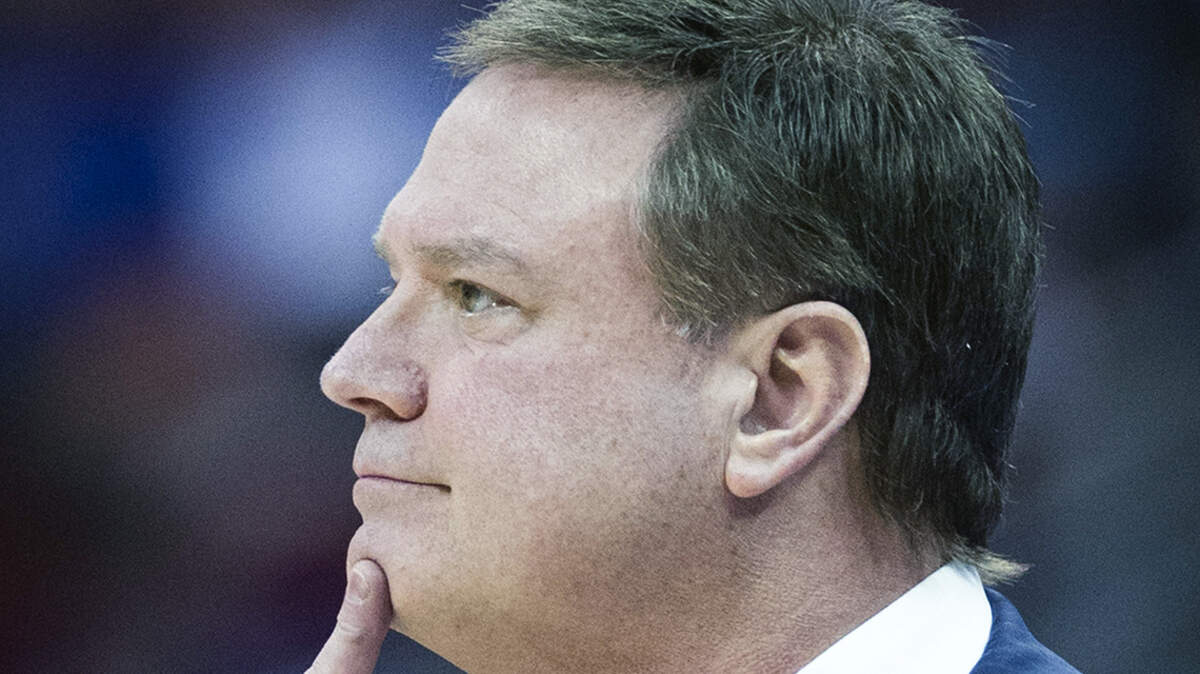
There’s little to like about the changes. And as Kansas coach Bill Self said, legitimate concerns abound.
“We don’t know enough about it yet to know exactly how it’ll all play out,” Self told The Star.
Agents can represent high school players beginning July 1 before their senior year in high school if they have been identified as an elite prospect.
The rule will go into effect only if the NBA and its players’ union permit high school students to enter the draft. And that is a big if.
The earliest the NBA could abolish its restriction prohibiting anyone under age 19 from entering the league is at least three years away.
Elite college athletes should be paid fair market value for their talent. Allowing them to hire an agent and still maintain eligibility isn’t the worst idea. But it doesn’t address a long list of problems surrounding amateurism and college basketball.
Changes to NCAA rules are long overdue. But these fall short and do nothing to attack the root of the problem: young athletes being exploited in a billion-dollar industry.
Real solutions would include allowing student-athletes to be paid and to profit off their own likenesses and marketability.
The NCAA needs to align with the NBA and open the marketplace. This approach has worked for college baseball and Major League Baseball. If the NCAA were serious about reform, it would adopt a similar approach.
Top talent should be compensated at market value at the college level. If not, allow high school students as young as 16 to enter the professional ranks as baseball and other sports do.
Only then will the landscape of college basketball change for the better.