Kansas City flyers: Is your carry-on too big to squeeze through new scanners? | Walker
If you’re planning to pack for an upcoming vacation, you might want to take a good look at your carry-on bag. And get out the measuring tape.
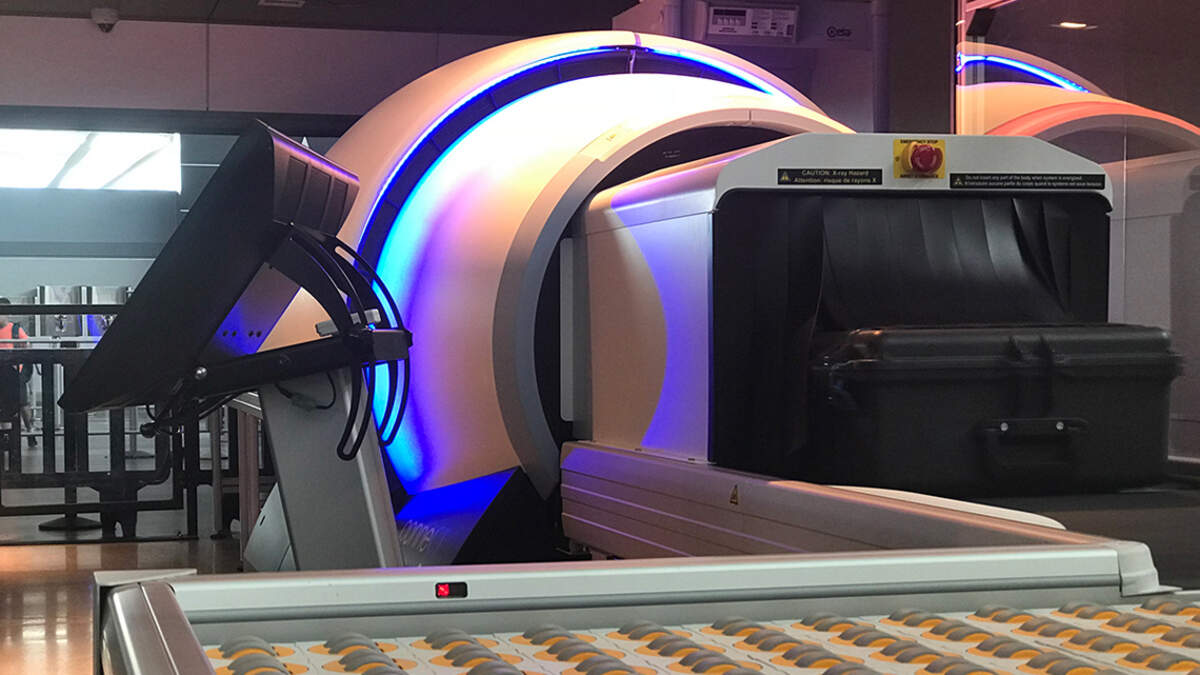
The Transportation Security Administration has introduced new 3D scanners that are smaller than the traditional ones travelers are used to. You know, those imposing dark tunnels that your bags and suitcases roll through while you’re standing there in your stocking feet and reminding the TSA officer of your metal knee. Oh, the indignity!
Wait, is that just me?
TSA is touting the new scanners as “state of the art,” technology that “offers passengers a more convenient way to go through the security screening process before boarding their flight.” But with a smaller opening of 24.5 inches wide by 16.5 inches high, according to Simply Flying, your existing bag might not fit.
Good news, Kansas Citians! The new scanners, called computed tomography or CT units, haven’t been installed in Kansas City International Airport yet, according to the city manager’s office, but you just may interact with them at other airports on your way back home. And that is where the problem lies.
KCI is still using the older X-ray machines, which have a larger tunnel size of 25.2 inches wide by 16.9 inches high, according to The Travel. But even if your carry-on is the standard 22 by 14 by 9 inches, overpacking can add extra inches that might make it hard to get through the opening.
Imagine trying to squeeze into a pair of pants a size too small. You get it. TSA does, too, and they don’t want passengers wedging bags into the tunnel of the scanner. From a TSA press release:
“The opening to the X-ray tunnel on a CT unit is slightly smaller than on a traditional X-ray unit, so TSA advises travelers not to force larger items into the tunnel, but instead, ask a TSA officer for assistance.”
You know who you are, those of you trying to jam all your items in one gray plastic tray. Just use an extra tray!
So, while it may have been easy to ignore size requirements in the past, the new scanners make it difficult to do so. That might mean being asked to check your bag, with an added fee, or buy a new carry-on.
When’s the last time you purchased a carry-on? If you’re like me, it’s been a while. I’ve had my durable 22-inch Kirkland Signature suitcase for nearly two decades. It seems you can only purchase one like mine on eBay these days. It’s still perfectly functional, and I don’t want to replace it just because of smaller scanners.
And if you do decide to check, with even Southwest Airlines charging luggage fees these days, that can get pricey. Airlines charge anywhere from $45 to $60 a bag. Speaking of Southwest, this was posted on the r/southwest Reddit thread last week:
“If a carry-on cannot fit inside the scanner, TSA employees may direct passengers back to the airline counter to check their luggage before re-entering security.”
Surely, there is a reason for all of this. The new CT scanners must be amazing and have benefits for travelers. Here’s what TSA reports:
- TSA officers have three-dimensional views of the contents of a carry-on bag.
- Travelers do not need to remove electronics or travel-size liquids from carry-on luggage.
- The machines create such a clear picture of a bag’s contents that computers can automatically detect explosives, including liquids.
Does this mean I can keep my shoes and belt on?
Joking aside, any tech that can help TSA keep bombs and guns and other weapons off planes is important. But it doesn’t mean that it’s not a big change for travelers and, in this economy, a hardship.