Prioritize people, not AI cameras, by using KCATA transit ambassador program | Porter
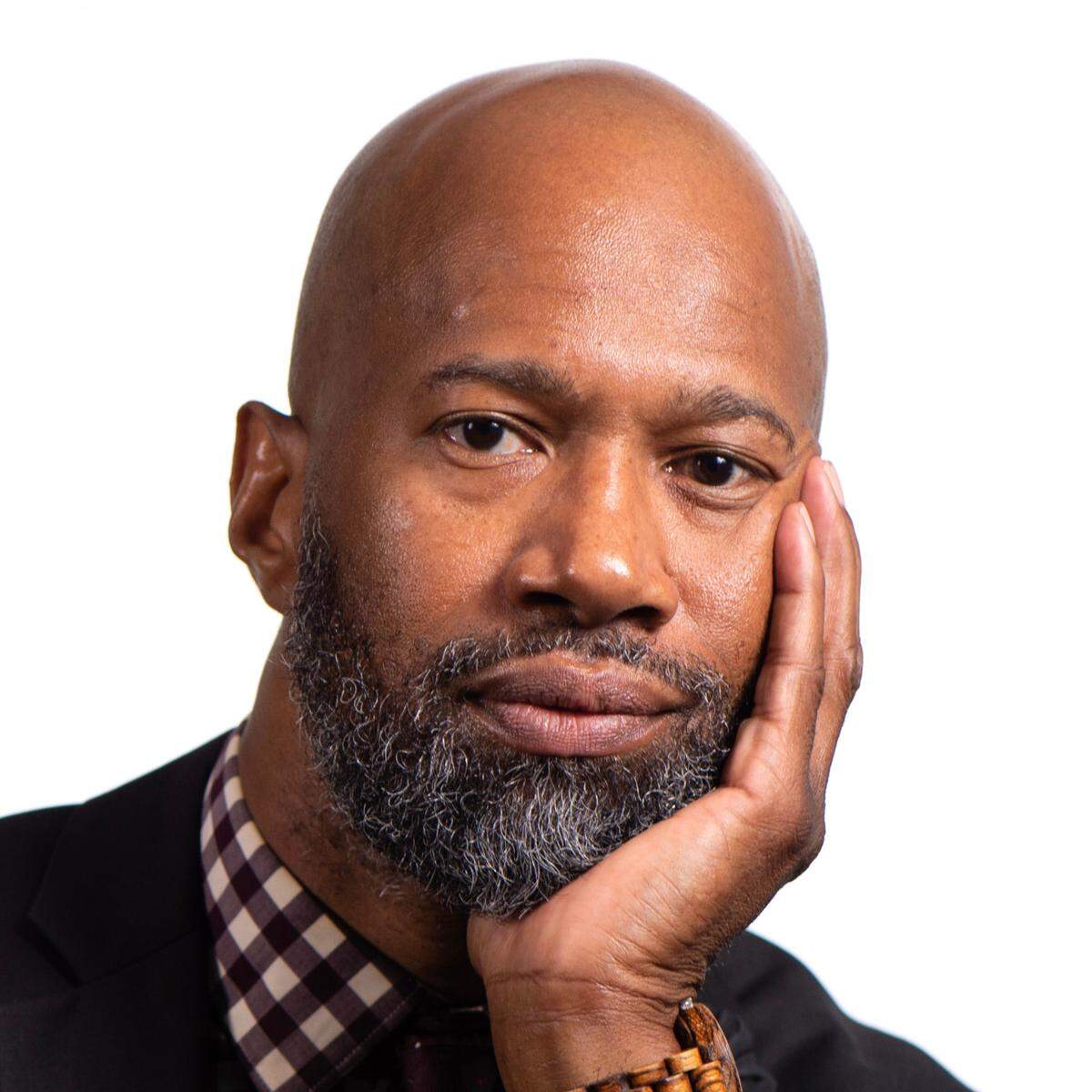
Kansas City 6th District Councilman Johnathan Duncan gets it. Duncan, the newest member of the Kansas City Area Transportation Authority Board of Commissioners, is staunchly opposed to the agency’s plan to install facial recognition software on its buses, an issue I wrote about in a previous column.
Instead of investing in artificial intelligence to root out banned drivers and help find missing people, as transportation authority officials have said is the intent here, KCATA should invest in its transit ambassador program, Duncan told me recently.
In this case, I don’t disagree. The very thought of KCATA using AI cameras to capture riders’ facial features as they board city buses is unnerving. If the agency really wants to improve customer service and protect its patrons, it should invest in people, not AI programs, Duncan said.
“My goal as the newest commissioner on the KCATA board is to restore the organization’s trust with riders by listening to riders’ concerns directly,” he said.
“Riders have said repeatedly they have trust concerns with their personal information being collected by KCATA. We can accomplish both ridership safety and understanding riders’ movement patterns to better inform route service without using AI cameras. One way that we would do that is by further expanding the (transit) ambassador program that KCATA has rolled out with human ambassadors greeting and talking to and collecting ridership information from our riders as they ride the bus.”
Improved interactions with riders would help improve trust between them and the transportation authority, not mass surveillance tools like AI cameras, Duncan said.
“How is your ride going?” he said. “Where are you going? Do you need help? Those are the things that restore trust in the organization. Those are the things that improve the experience for our riders, and those are the things we should be investing in, not AI cameras.”
Facial recognition on buses
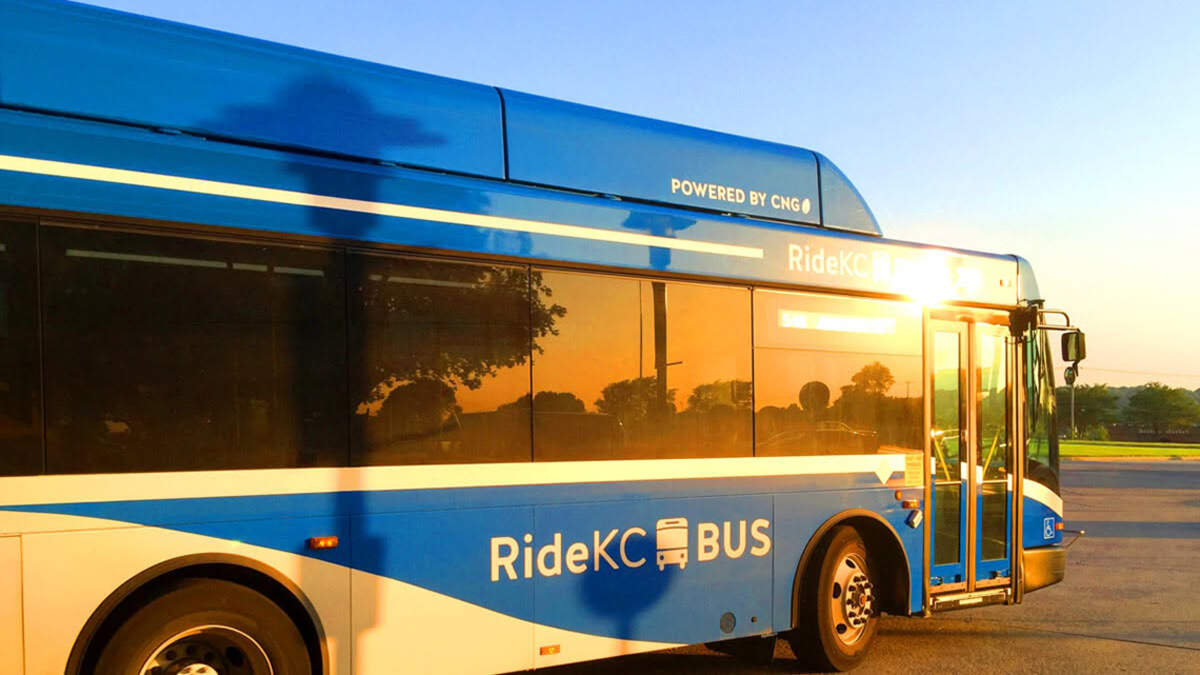
In case you hadn’t heard, the agency wants to test facial recognition software on about nine of its nearly 236 buses. The goal after the initial rollout would be to equip about 30 more buses with AI software about a year later, according to Tyler Means, chief mobility and strategy officer for KCATA. There was no definite timetable on when the rollout would begin, Means said in a recent telephone interview.
“There are a lot of questions that we’ve had talking to other camera vendors about how well AI works in a moving vehicle, so it’s really what value does this bring,” he said. “Does the technology work? There are a lot of questions we want to put out there and answer. As to rollout timelines, that’s tough. I think we’re aiming for fall at best, but it may cascade a little bit further into the winter.”
The KCATA transit ambassador program employs 36 people, KCATA spokeswoman Cindy Baker wrote me in an email. The program began just this year and serves several key functions, including enhanced safety and customer service across the transit system, according to information Baker provided.
Ambassadors are multilingual and trained “to assist with directions and local transit information, which helps manage increased ridership and ensure a smooth, safe experience for everyone during the World Cup and beyond,” Baker’s email read.
KCATA received a grant from the state to start the program, according to Baker. It was modeled after successful transit ambassador programs in San Francisco and Los Angeles, Baker wrote.
West Coast transit models
San Francisco’s Bay Area Rapid Transit system employs unarmed transit ambassadors and crisis intervention specialists to help diffuse minor conflicts and provide social service referrals. As a result, sworn police officers are free to respond to more pressing emergencies.
Along with other street-level initiatives, San Francisco’s BART ambassador program has resulted in a 53% reduction in safety-related 911 calls and faster emergency response times, according to a case study. More recently, BART reportedly attributed a 41% decrease in systemwide crime to the collaboration between sworn officers and transit ambassadors.
In Kansas City, unarmed ambassadors are trained to provide a friendly presence and assist in deescalating situations, KCATA’s Baker wrote in her email to me.
Duncan laid out a very persuasive argument — one that I fully support — about expanding the ambassador program and forgoing facial recognition altogether on KCATA buses.
“As you know, I’m a commissioner now, so I’m part of the board that could make these decisions,” Duncan said. “I’ll be advocating very hard that we never implement this, and that we use funds that we would otherwise use for AI and the management of the AI to fund expansion of the (transit) ambassador program.”
People over AI programs. Who could be against that?