Kansas City’s rogue weed shops notch a win in court — for now | Hudnall
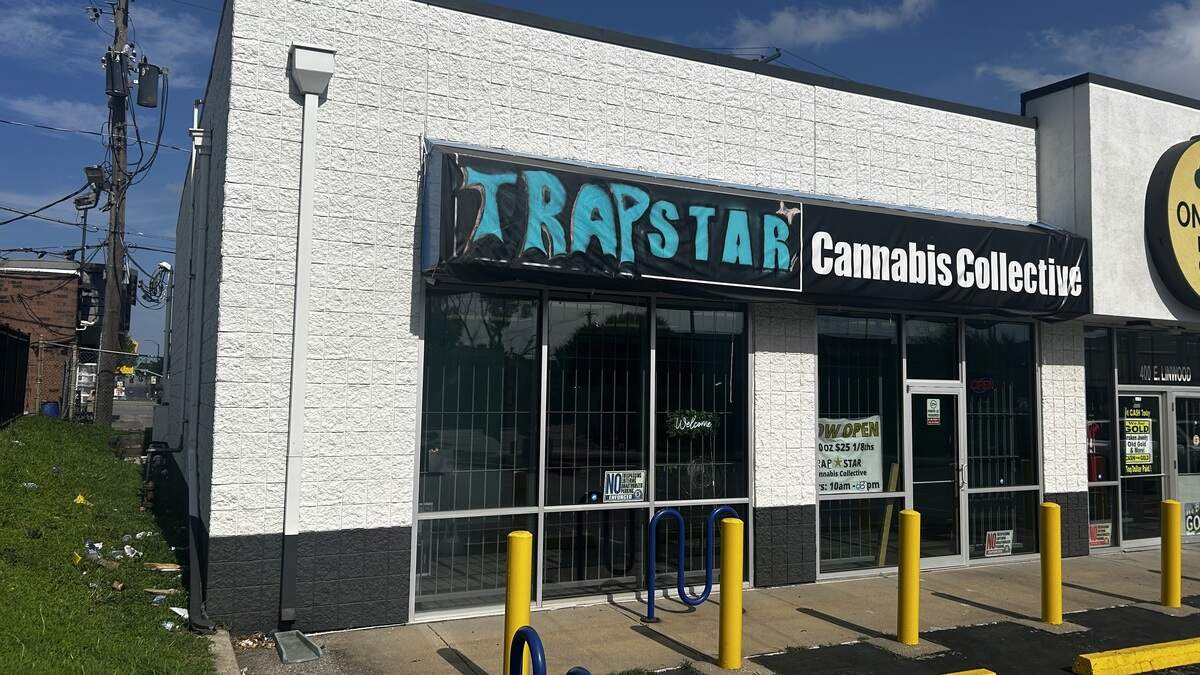
Along Linwood Boulevard in midtown, just two blocks apart, sit two very different visions of Missouri’s cannabis industry.
Fresh Karma is a state-licensed dispensary that sits in a sleek, modern 6,000-square-foot standalone structure. Its polished concrete floors, designer light fixtures and carefully arranged display tables call to mind an Apple Store more than a place to purchase a joint.
A short walk away is Trap Star Cannabis Collective, which occupies space in a weathered strip mall next to a pawn shop. A tarp with graffiti-style lettering stretches across the storefront; metal bars cover the windows. A sign outside advertises ounces are available for the low price of just $100. Even in a state where recreational marijuana has been legal for three years, it doesn’t seem possible that a place like Trap Star could be operating within the bounds of the law.
But it is. At least for now.
Trap Star and other local operations like it — Mr. Nice Guy, Big Chiefs Kush, Motion City, and American Shaman among them — claim to be selling not marijuana but rather a chemical cousin of marijuana called THCa.
This kind of hemp is a non-intoxicating precursor to THC that only produces a high when heated or “decarboxylated,” which happens when it’s smoked, vaped or cooked. Their argument hinges on the technicality that it only becomes marijuana once it is actually consumed.
You might be thinking: Isn’t that the whole reason people buy marijuana — to smoke, vape or cook it?
And you would be right. But as of the current moment, this loophole represents a meaningful legal distinction.
Last week, the hemp retailers notched a win when a federal judge dismissed a lawsuit that sought to force them to play by the same rules as licensed marijuana dispensaries.
The decision likely gives these rogue weed shops at least another five months of business as usual. Get your $100 ounces ($80 at Motion City!) while you can.
Judge Bough’s decision
Chris McHugh, an attorney who also owns Vertical Enterprises, a licensed cannabis operation in St. Joseph, brought the lawsuit last year.
His argument: Companies like his (or Fresh Karma, or From the Earth) invested millions of dollars to enter Missouri’s tightly regulated marijuana market. They pay licensing fees and taxes. They test every product they sell. They check IDs. They can buy and sell cannabis only through the state’s licensed system.
Meanwhile, fly-by-night hemp retailers can set up shop selling high-THCa flower that produces the exact same intoxicating effects as marijuana — all without obtaining a marijuana license or complying with most of those regulations.
“The stuff that American Shaman sells and the stuff I sell are the same thing,” McHugh told me. “If you put them side by side and bring a chemist in and test them, they will test the same.”
McHugh’s complaint alleged this amounted to unfair competition.
U.S. Judge Stephen Bough of the Western District of Missouri disagreed.
Bough’s reasoning boiled down to this: The law measures what’s in the product before you light it, not after. Since today’s definition of hemp counts only the THC already present in the product — not the THCa that becomes THC when it’s heated — these products still qualify as hemp (which is classified differently than marijuana).
Nick Porto, attorney for the hemp retailers, declined to comment.
The irony here is that the law Bough applied is already on its way out.
Earlier this year, the Missouri General Assembly passed legislation banning the sale of intoxicating hemp products such as high-THCa flower, delta-8 THC and similar compounds outside the state’s regulated marijuana system. The law is scheduled to take effect in November.
Congress has done much the same thing. Last year’s federal spending bill rewrote the definition of hemp to count total THC — including THCa — rather than just delta-9 THC. That change also takes effect in November.
Bough concluded that the dispensaries’ “entire case relies on a definition that is not yet the law.” Courts, he wrote, cannot “leapfrog ahead of time and pretend that Congress’ amendment has already taken place.”
McHugh has already filed a notice of appeal. But if the state and federal laws take effect as scheduled, the outcome of that appeal shouldn’t matter much. The legal landscape — not to mention Kansas City’s increasingly cannabis-lined streetscape — will look vastly different come fall.
This story was originally published June 30, 2026 at 11:20 AM.