Kansas and its butterflies don’t need this new data center | Opinion
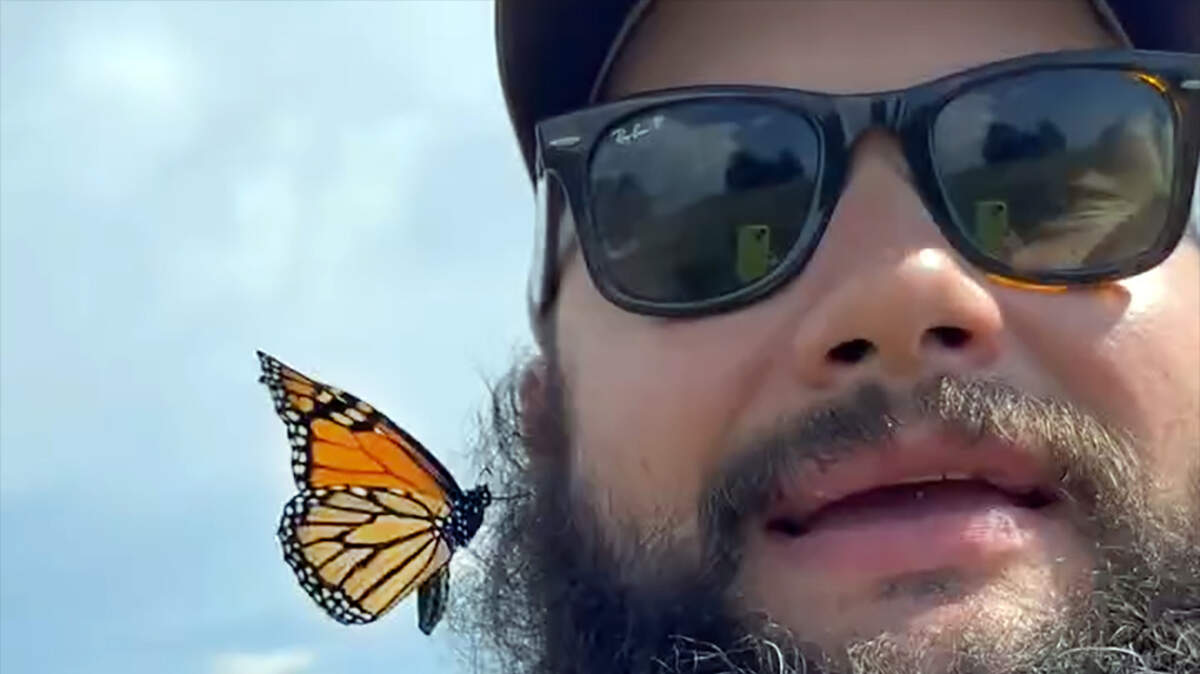
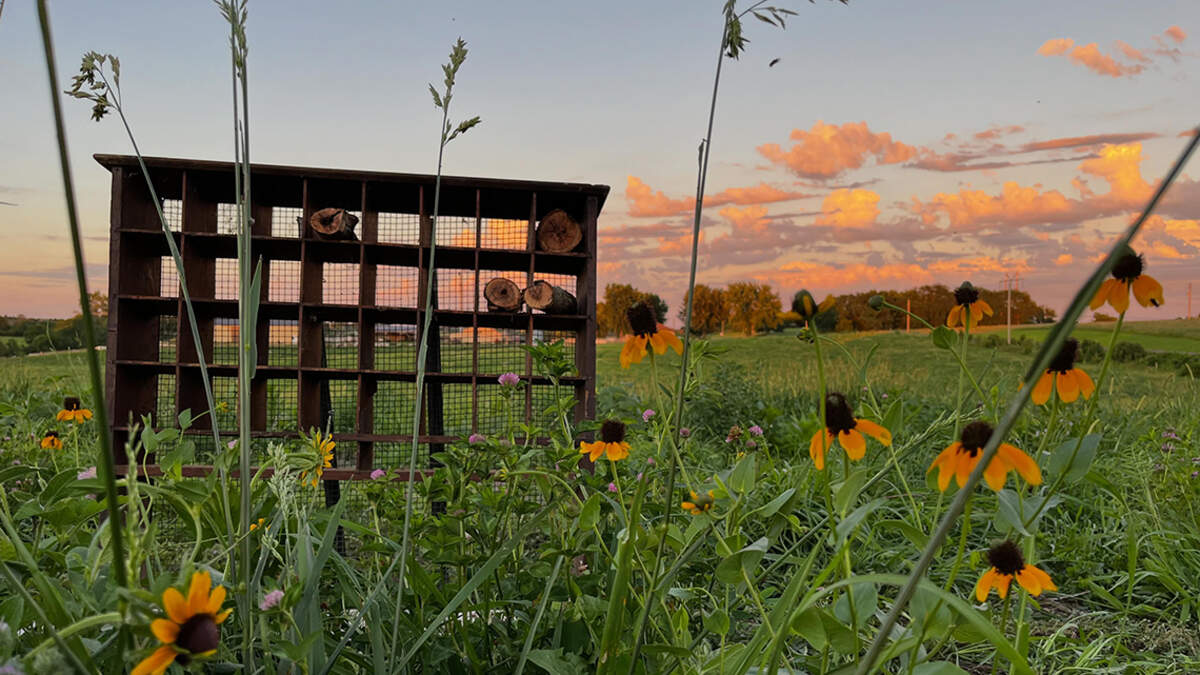
In 2017, my husband, Tyler, inherited a 60-acre farm from his grandmother, Beulah Siegert, a woman who rooted herself in the land and community of Leavenworth County for 70 years. Through backbreaking work, he has transformed that gift into Beulah’s Butterfly Ranch — a certified nonprofit refuge for bees, butterflies and other native wildlife, with me along for the ride as a board member.
It has been a wild journey with many lessons learned, and one of the overarching themes of these has been the symbiotic intricacies of the Kansas ecosystem. The water cycles, weather patterns and fertile soils both shape and rely on the way the land is used by those who’ve been entrusted with it. Now, a few miles down the road, just south of Tonganoxie, a company called Cloverleaf Infrastructure is asking to be entrusted with 1,000 acres of this prairie, to build a hyperscale data center it’s calling Project Bluestem. Less than 4% of the original 140-million square mile Tallgrass or Konza Prairie remains, mostly in the Flint Hills of Kansas. And the defining grass of that prairie is bluestem — our official state grass. (You didn’t think we don’t have a state grass, did you?) Bluestem is known for its deep roots (up to 12 feet), which prevent erosion and flooding and can store carbon for centuries.
The PR people who named this project know exactly what that name means. They chose it because it sounds good. It sounds like something Kansas needs. But there is nothing native, deep or grassroots about Project Bluestem. Cloverleaf Infrastructure is a kind of invasive species — a Houston‑based real estate firm co‑founded by a former Microsoft energy executive. It packages land with energy sources and sells it to the biggest tech companies in the world. In other words, it’s a group of modern‑day land men for Big Tech. It’s possible that some people have had their concerns assuaged by charismatic suits with promises of closed‑loop cooling systems.
But the fact is, there are too many negative impacts from data centers for Leavenworth even to consider approving this project. For example, those cooling systems are precisely what transmit the low‑frequency noise that nearby residents have been hearing about. So the more extensively operators implement their proposed solution to data centers’ water consumption issue, the worse the noise issue becomes. Bees communicate with one another using low‑frequency signals and vibrations. The sound from data centers might scramble those transmissions, in addition to being a 24/7 public nuisance. Light pollution would confuse moths and butterflies, and disrupt their migration patterns.
And I likely don’t need to explain the importance of bees and other pollinators to the residents of this farm town. That’s just one issue among many, and it was born out of these developers’ so-called “solutions.” A long time ago, Kansans were sold the pseudoscientific lie that “rain follows the plow” — the once widely believed but now discredited idea that farming the land causes more rain to fall from the sky.
Early settlers plowed up thousands of miles of deep‑rooted bluestem grasses, having been promised by charismatic speculators with their own agenda that converting it all to farmland would bring an end to drought. The soil turned to powder, and the Dust Bowl followed.
Bad things happen when we make decisions that impact our entire ecosystem without guidance from those who understand it. Our ancestors either didn’t have access to that guidance or they ignored it, but we are not them. We cannot let an out‑of‑state developer astroturf their way into our communities while laughing at us with their little inside joke of a name. Kansas needs bluestem — the grass, not the data center.
Michelle Carpenter is a board member of the 501(c)(3) nonprofit Beulah’s Butterfly Ranch in Leavenworth.