Is Roger Marshall’s kratom crusade about good policy — or generous donors? | Hudnall
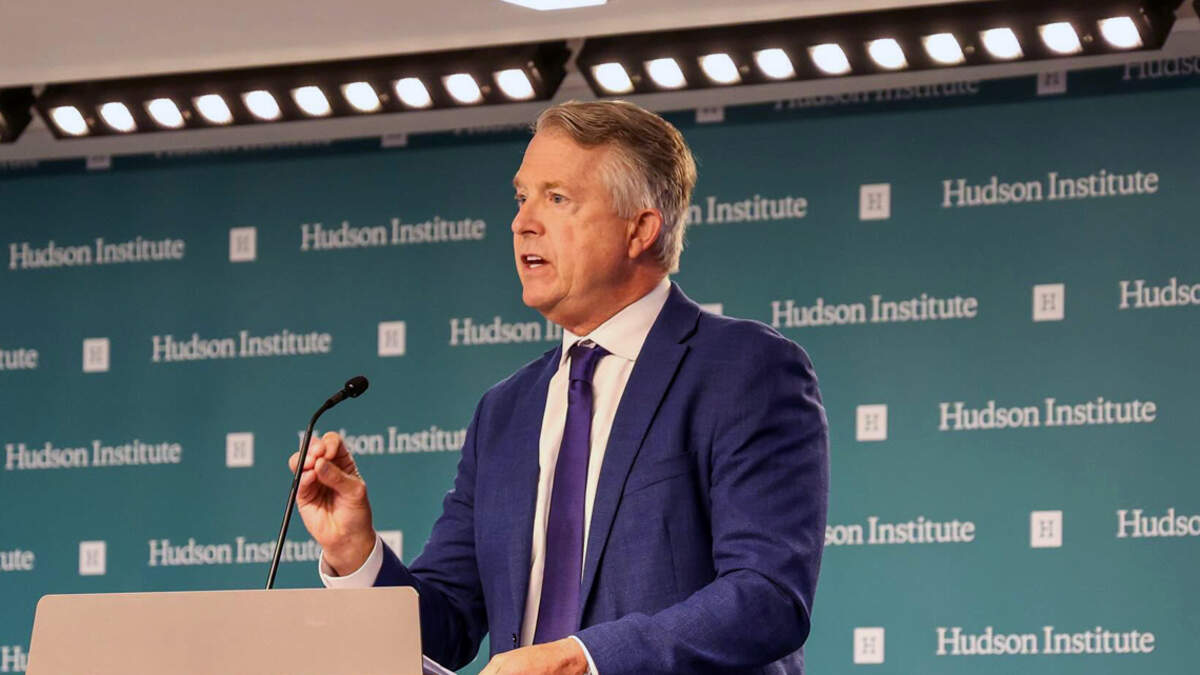
Roger Marshall and I both got interested in 7-hydroxymitragynine, or 7-OH, at right around the same time last summer.
My interest stemmed from noticing that the drug’s popularity was exploding at the gas stations and smoke shops where it is sold. I started looking into 7-OH and American Shaman, the Kansas City company manufacturing it for brands all across the country, and eventually wrote a series of stories on 7-OH.
As I reported those stories, I noticed that Marshall, the junior U.S. Senator from Kansas, was also beginning to sound the alarm about 7-OH. Not very many people were talking about it at that point. Marshall expressed many of the concerns I was hearing from users and former users of this synthetic opioid: that it was extremely addictive, ruining lives, marketed misleadingly and completely unregulated.
Marshall wasn’t shy about pressing the issue. In June 2025, he wrote a letter to then-Food and Drug Administration Commissioner Marty Makary calling for a federal crackdown on 7-OH. Six weeks later, the FDA recommended the Drug Enforcement Administration classify 7-OH as a Schedule I controlled substance. He sent two letters to the DEA urging it to act on that recommendation. He visited a lab in Lenexa in the fall for a photo-op meant to raise awareness about the dangers of 7-OH. And just a few weeks ago, he wrote a guest commentary in The Star trumpeting his work fighting the drug.
7-OH is genuinely dangerous and deserves the attention. It’s good that Marshall is taking it on as an issue. But his crusade could be viewed in a different light when you take a look at his campaign finance reports.
The same month Marshall wrote that first FDA letter, his campaign received a $3,500 check — the maximum an individual can give for a single federal election — from Ryan Niddel.
Niddel is the CEO of Diversified Botanics, which makes the kratom brand MIT45. Niddel would also like to see 7-OH banned. His reason is simple: It’s his competition.
The 7-OH vs. kratom divide
The kratom world is divided into two camps that have spent the past two years at each other’s throats.
On one side is traditional kratom, a product derived from the leaves of a Southeast Asian tree that has been sold in American gas stations and smoke shops for years. The DEA tried to ban it in 2016, but backed off after a lobbying campaign. The natural stuff and its various extracts are considered to be addictive and have been linked to deaths, but its defenders argue it’s relatively safe compared to what came next.
That would be 7-OH — a synthetic derivative of kratom that is, by some estimates, 13 times more potent than morphine. 7-OH flooded the market a few years ago precisely because it is so much more powerful and addictive than the natural product. For traditional kratom companies, 7-OH is an existential threat: When customers can get something that strong for the same price at the same gas station, the milder stuff loses.
Earlier this year, I wrote about how that dynamic played out at the highest levels of the Trump administration.
Botanic Tonics, an Oklahoma company that makes the popular natural kratom drink Feel Free, has spent heavily to cultivate allies in Washington. Its founder is a convicted fraudster who changed his name from Jerry Cash to J.W. Ross after leaving federal prison.
In 2023, federal prosecutors under the Biden administration moved to seize hundreds of thousands of bottles of Feel Free from Botanic Tonics’ Oklahoma warehouse, arguing the product was an unapproved and potentially dangerous substance being sold illegally across state lines. The case sat dormant for two years due to a federal court backlog. In December, a judge finally cleared the way for the government to present its case.
Then something strange happened: The Justice Department, now under the Trump administration, dismissed its own case, saying it was no longer a prudent use of the DOJ’s resources.
Ten weeks later, Botanic Tonics wrote a $500,000 check to MAHA PAC, a political group aligned with Robert F. Kennedy Jr., the United States Secretary of Health and Human Services under Trump. Kennedy’s department oversees the FDA, the agency responsible for determining how kratom and 7-OH are regulated.
There was another wrinkle. Markwayne Mullin, the former Oklahoma senator who stood alongside Kennedy and FDA Commissioner Makary at last summer’s press conference announcing the federal crackdown on 7-OH, holds a stake worth as much as $1 million in Botanic Tonics. In other words, Mullin stands to benefit if the government cracks down on 7-OH companies and leaves traditional kratom companies like Botanic Tonics alone.
Mullin never mentioned he had skin in the game. The information only surfaced a few months ago, when he was required to file financial disclosures for his new job as Homeland Security secretary.
The New York Times picked up the thread two weeks ago, adding new reporting.
The Times found that Ross, the Feel Free founder, donated nearly $162,000 to Kennedy’s presidential campaign after Trump named him health secretary, and used a $443,000 RNC donation to secure a private meeting with Vice President JD Vance, where he lobbied directly against 7-OH. Ross also donated an additional $500,000 to the MAHA PAC in April, disclosed after my column was published, bringing his total to $1 million.
Washington lobbyists
That brings us back to Niddel, who, like Ross, runs a traditional kratom company that wants 7-OH banned and its own products left alone.
As reported by The Times, the lobbying strategy of companies like Niddel’s is to hire people with Trump-world access who will essentially whisper nice things about kratom and bad things about 7-OH in the ears of the right people. Niddel hired a lobbyist who worked on Trump’s first campaign to arrange meetings with members of Congress and FDA officials.
That lobbyist is Robert Wasinger, a political operative who served as chief of staff to former Kansas Sen. Sam Brownback before working on Trump’s 2016 campaign. His firm, Ragnar Group, signed Niddel’s company as a client in March 2025.
No surprise given their Kansas connections, Marshall and Wasinger are chummy. Marshall and his chief of staff, Brent Robertson, attended Ragnar’s launch party in Washington in April. And Wasinger has contributed $4,400 to Marshall’s campaign since 2021, including $1,500 in January 2026 — the same month Marshall sent his second letter to the DEA urging it to schedule 7-OH.
So, to recap: Roger Marshall, who has never said a word publicly about kratom or 7-OH, begins lobbying federal regulators to ban 7-OH the same month he receives a maximum legal campaign contribution from Niddel, the CEO of a company whose products compete directly with 7-OH.
Seven months later, the lobbyist Niddel hired to lobby Congress and federal health officials on kratom’s behalf writes Marshall a check — the same month Marshall sends another letter pressing the DEA to act.
I submitted questions to Marshall’s office asking whether Niddel’s contribution influenced his decision to engage on 7-OH; whether Wasinger or anyone from Ragnar ever discussed kratom policy with him or Robertson; and whether his views on 7-OH and natural kratom reflects his own independent medical judgment or were shaped by donors.
“Thanks in large part to Senator Marshall’s efforts, both 7-OH and kratom are banned in Kansas,” Marshall’s communications director Payton Fuller said. “He’s been sounding the alarm on this for well over a year, after doctors at Children’s Mercy and groups of parents in Kansas raised the alarm. Any inference that Senator Marshall’s efforts have any other motivation than public good is insulting to the parents who have lost kids to this poison.”
Fuller added that Marshall has “never met with or spoken to” Niddel and was not aware of any donations made to his campaign. Wasinger, Fuller said, “is a Kansan and a longtime supporter of Senator Marshall.”
Niddel offered something closer to a candid explanation when he spoke to The Times.
“It’s not pay to play,” he said, he said of his firm’s lobbying efforts. “It’s pay to have a chance at the table. And anybody that considers any of the lobbying work or any of the governmental work that goes on being different than that, I think has their head buried in the sand at this point.”
Hard to argue with him.