
What Kansas City World Cup visitors need to know about our weird weed laws | Opinion
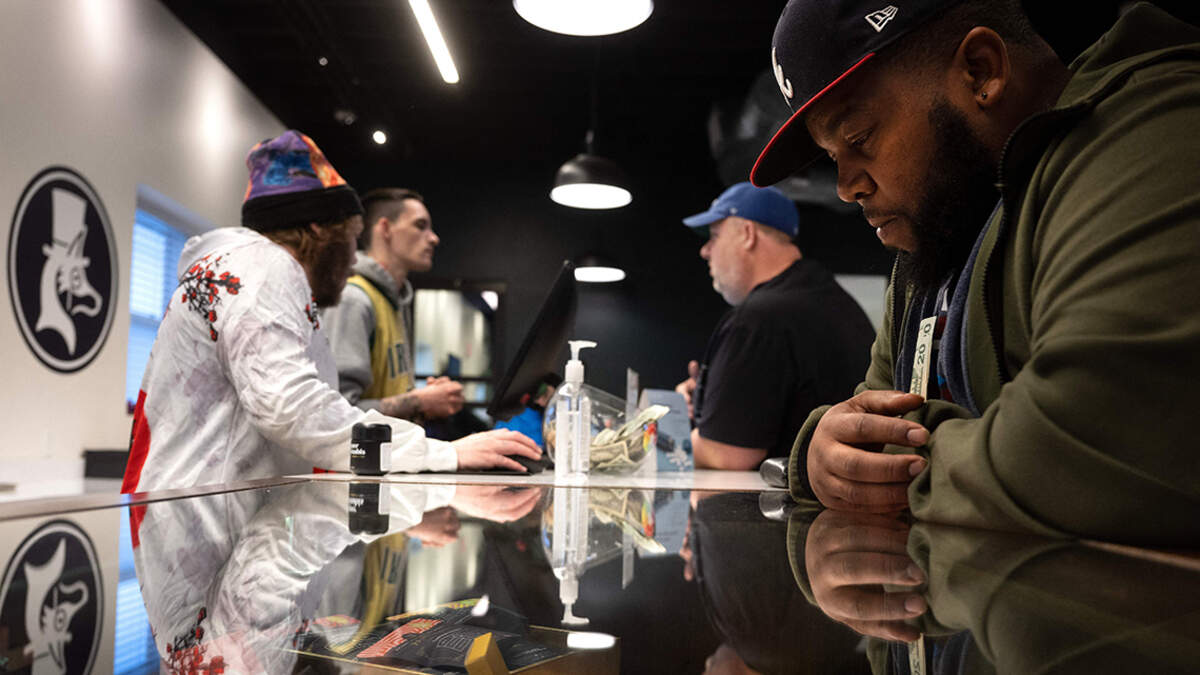
The World Cup has generated exactly the excitement Kansas City has been building toward for four years. Hotels are busy. Restaurants are staffed. The hospitality infrastructure has been assembled with a global audience in mind. But in most of those conversations, cannabis has been an afterthought, and that is worth examining — because this summer, it is going to face something it has never had to deal with before.
Missouri legalized adult use in November 2022, roughly the same time Kansas City was selected as a World Cup host. Both have had four years to prepare. In cannabis, a meaningful portion of that preparation has been shaped by a specific customer: visitors crossing over from neighboring prohibition states — people who already know what a dispensary is, who arrive with some sense of what to expect and what the rules are. That customer has been the baseline for four years. The World Cup is about to replace the baseline with something entirely different.
Kansas City is hosting six matches at Arrowhead Stadium between June 16 and July 4, alongside an 18-day FIFA Fan Festival. Tourism Economics, a division of Oxford Economics, projects that roughly 1.24 million international visitors will travel to the United States for the tournament, spending more than $400 per day over a roughly 12-day stay. A meaningful share will pass through Kansas City. Missouri’s cannabis market is already generating more than $130 million in monthly sales. A significant number of those incoming visitors will be curious about it.
The challenge is that most of them have no frame of reference for what a legal cannabis dispensary actually is.
Greenlight Dispensary CEO John Mueller made this point recently: Twenty-one of the 27 European Union member states have some form of medical cannabis program, but adult-use legalization varies, and is widely different from our state. Visitors arriving from Germany, Brazil, Argentina or much of Africa will not have experienced legal retail cannabis as it functions in Missouri. A clinic dispensing a handful of approved products to registered patients bears no resemblance to a licensed dispensary with a full floor of flower, edibles, vape cartridges and concentrates. The products are different. The format is different. Dosing expectations are different.
Cannabis edibles in particular can behave in ways that catch even experienced users off guard, let alone someone whose first legal purchase is happening at a Kansas City dispensary this summer.
There is also a legal dimension most international visitors will not anticipate. Cannabis is legal to purchase in Missouri, but not to consume in public spaces. And just across the state line in Kansas, adult use of cannabis is not permitted at all.
That applies the same way whether you live here or flew in from São Paulo. Visitors who buy legally and use openly outside have not made a moral error — they have made a legal one, and the responsibility for communicating that falls on the industry, before the purchase, not after.
Kansas City’s cannabis sector has spent four years building institutional credibility. The tax revenue it generates is real. The employment it supports is real. The regulatory framework it operates under is real. What has not yet been tested is how that infrastructure performs when the customer base goes genuinely global, in a concentrated window, while the rest of the city’s hospitality reputation is on the line alongside it.
That has consequences beyond the sales floor. The World Cup is the most-watched sporting event on Earth, and Kansas City’s host city profile is reaching audiences in every country with a team in the tournament. How the cannabis industry here conducts itself over the next several weeks will leave an impression that travels home with every visitor who walked into a Missouri dispensary. In countries that are actively debating whether to build a legal cannabis market, that impression carries weight.
This is not an argument against the industry’s participation in this moment. It is the opposite. Missouri has built something worth showing to the world. Kansas City dispensaries have a genuine opportunity to demonstrate, at scale and to an international audience, what a well-run legal cannabis market looks like. That is possible only if the industry prepares for the customer it is actually getting, not the one it already knows.
The restaurants, hotels and entertainment venues of this city have spent years getting ready for this summer. Cannabis is part of Kansas City’s economy now. The question is whether the industry shows up for this moment the same way everyone else is trying to.
David Craig is vice president of marketing at Illicit Gardens, a Kansas City-based cannabis brand.