
This Kansas City murder is still unsolved 85 years later. What happened?
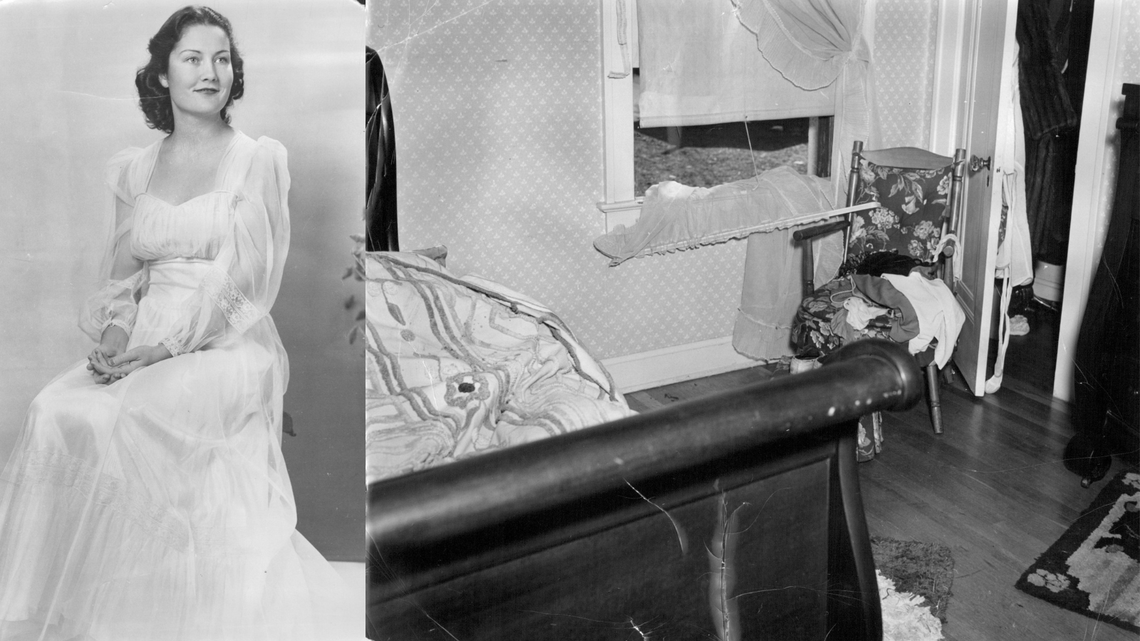.png "The last known photo of Leila Welsh is seen alongside a photo of her bedroom window, where she was killed.")
Editor’s note: This story contains graphic details.
It was 1:30 a.m. on Sunday, March 9, 1941, when 24-year-old Leila Welsh arrived at the door of the Brookside bungalow she shared with her mother and older brother. She and boyfriend Richard Funk — who had walked her home — kissed goodnight.
Before lying down, Leila Welsh opened her bedroom’s east-facing window, which faced the backyard. Little did she know, but the yard’s shadows hid a man. Judging by the pile of cigarette butts he left on the ground, he’d been waiting for her for quite some time.
The vicious murder that followed shook Kansas City to its core and to this day, no one knows for certain who snuck into Leila Welsh’s bedroom and brutally murdered her that morning.
But author and television producer Eli Frankel has some ideas. In 2025, he published “Sisters in Death: The Black Dahlia, the Prairie Heiress, and their Hunter.”
In his book, Frankel suggests that the man who murdered Leila Welsh was the same man who later murdered Elizabeth Short — commonly known as the Black Dahlia — in Los Angeles in January 1947.
With this in mind, a reader wrote to What’s Your KCQ? wondering about the tragic story.
Who was Leila Welsh?
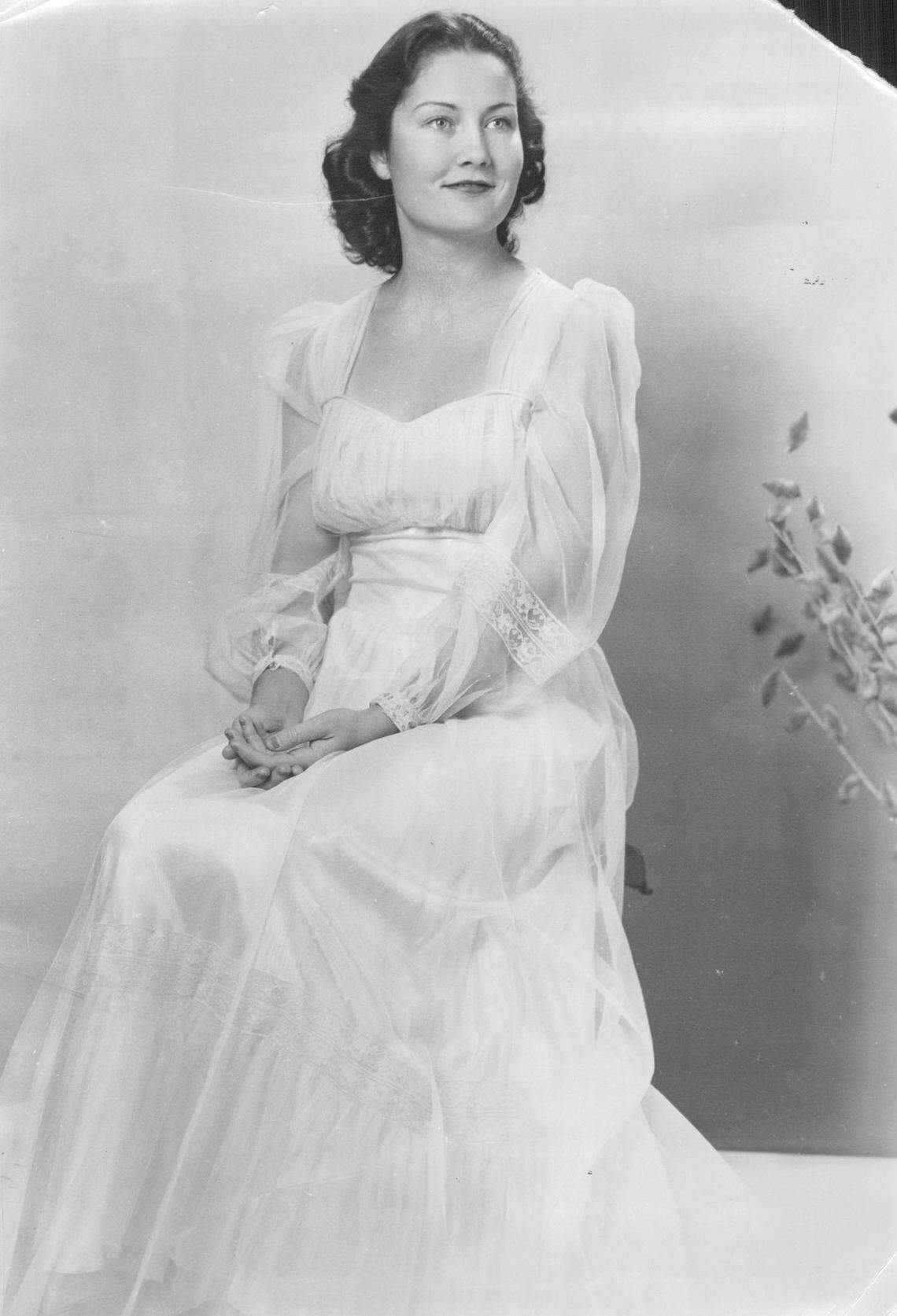
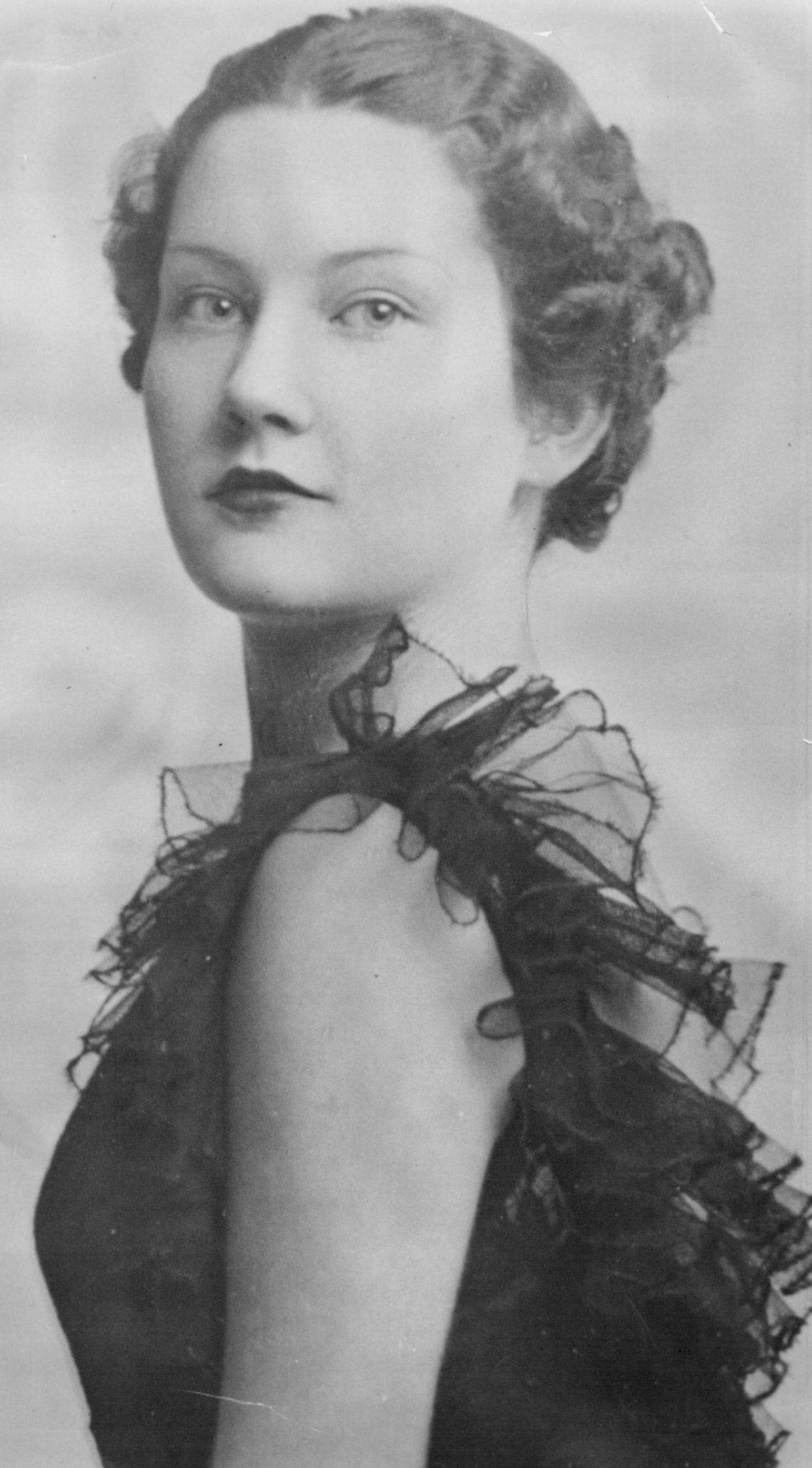
Leila Welsh was born on Nov. 7, 1916, to George Welsh Sr. and Marie Fleming on the family’s farm near Lee’s Summit. George Welsh’s father, James, was a prominent and wealthy real estate magnate in Kansas City.
In 1935, Leila Welsh enrolled in the newly opened University of Kansas City, now the University of Missouri-Kansas City. She was instantly swept up in campus life, joining the Cho Chin sorority and serving as the secretary of the student council.
According to the student paper, Welsh became extremely popular and spurned the advances of the men on campus.
However, one man did catch her eye. Richard Funk was unlike many of the other fraternity boys Welsh had encountered. He came from a blue-collar family and worked as a Western Union messenger boy, with no interest in attending college.
Funk and Welsh met at the university’s spring formal in 1935, which he attended as the guest of neighborhood friend and UKC student Marjorie Bybee. Following this, he and Welsh had an on-again off-again relationship.
The night of the killing
On the night of Sunday, March 9, 1941, Funk took Welsh to the final performance of the Police Circus at Municipal Auditorium, a benefit put on by the Hamid-Morton Circus to support the Kansas City Police Department. Following the circus, they stopped at the Hotel Phillips bar before Funk walked her home.
That was the last time anyone saw her alive.
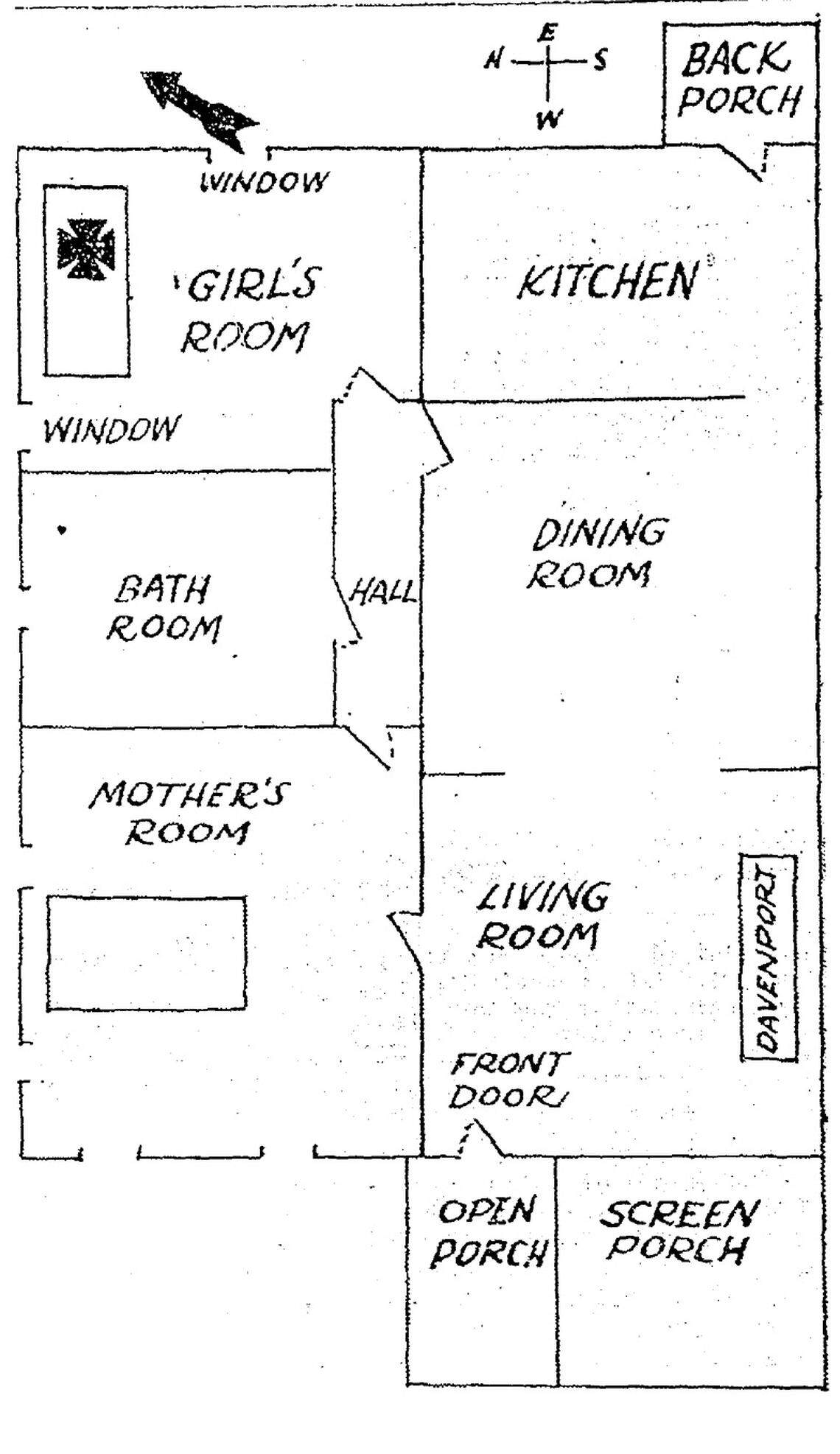
At 9:15 the next morning, Marie Welsh went to her daughter’s room to rouse her for church. She discovered the door was jammed but opened it with a hard push. She found that a chair had been propped against the door, seemingly to prevent it from being opened.
Marie saw her daughter on the bed with the sheets pulled over her head as if she were sleeping. When Marie tried to wake Leila, she saw that her face was covered in blood. Leila was dead.
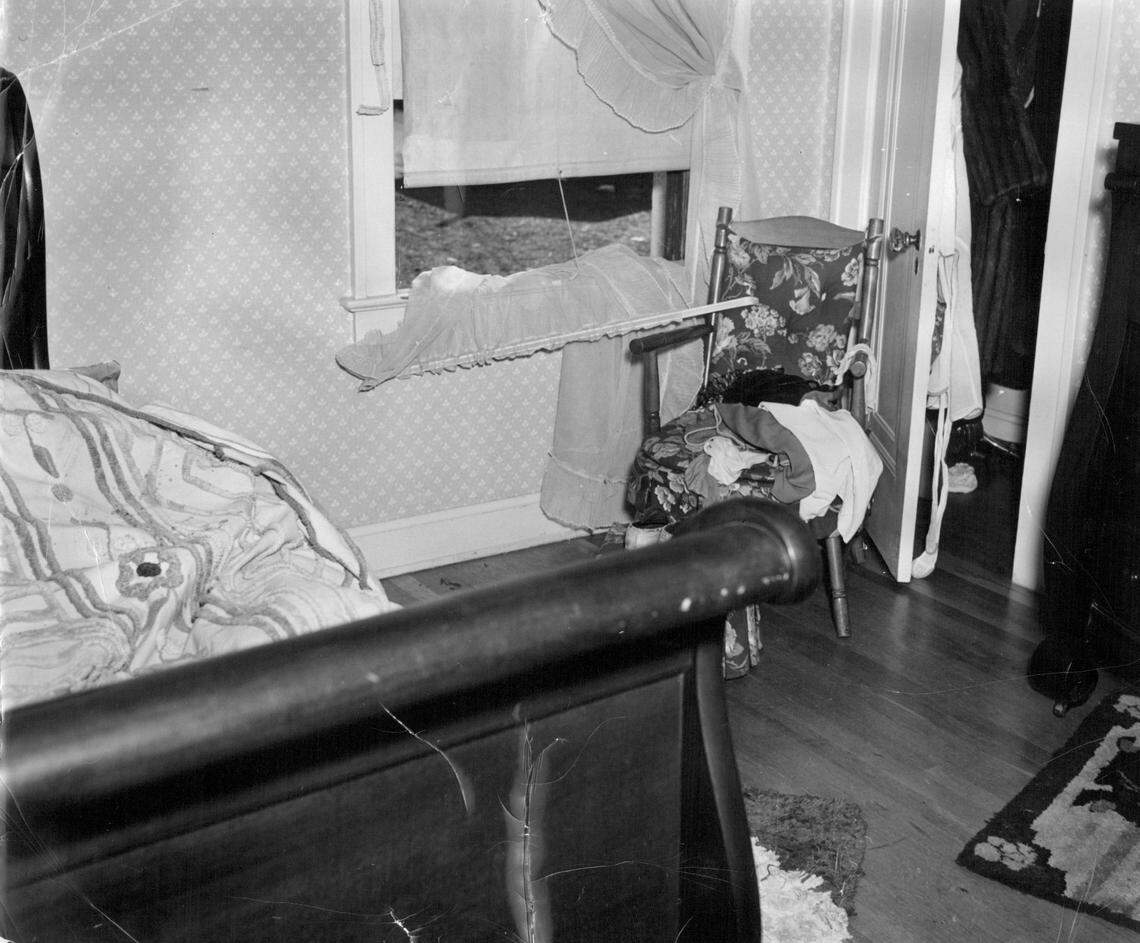
Over the next few days, police investigators tried to piece together what had happened to Leila Welsh, though much of it remains conjecture.
Sometime during the night, perhaps before 3 a.m. when Marie Welsh and several neighbors heard two loud thumps, an intruder entered Leila Welsh’s bedroom through the open east window. Leila had apparently been asleep when he entered, her senses perhaps dulled by a pill she had taken earlier in the evening for menstrual cramps.
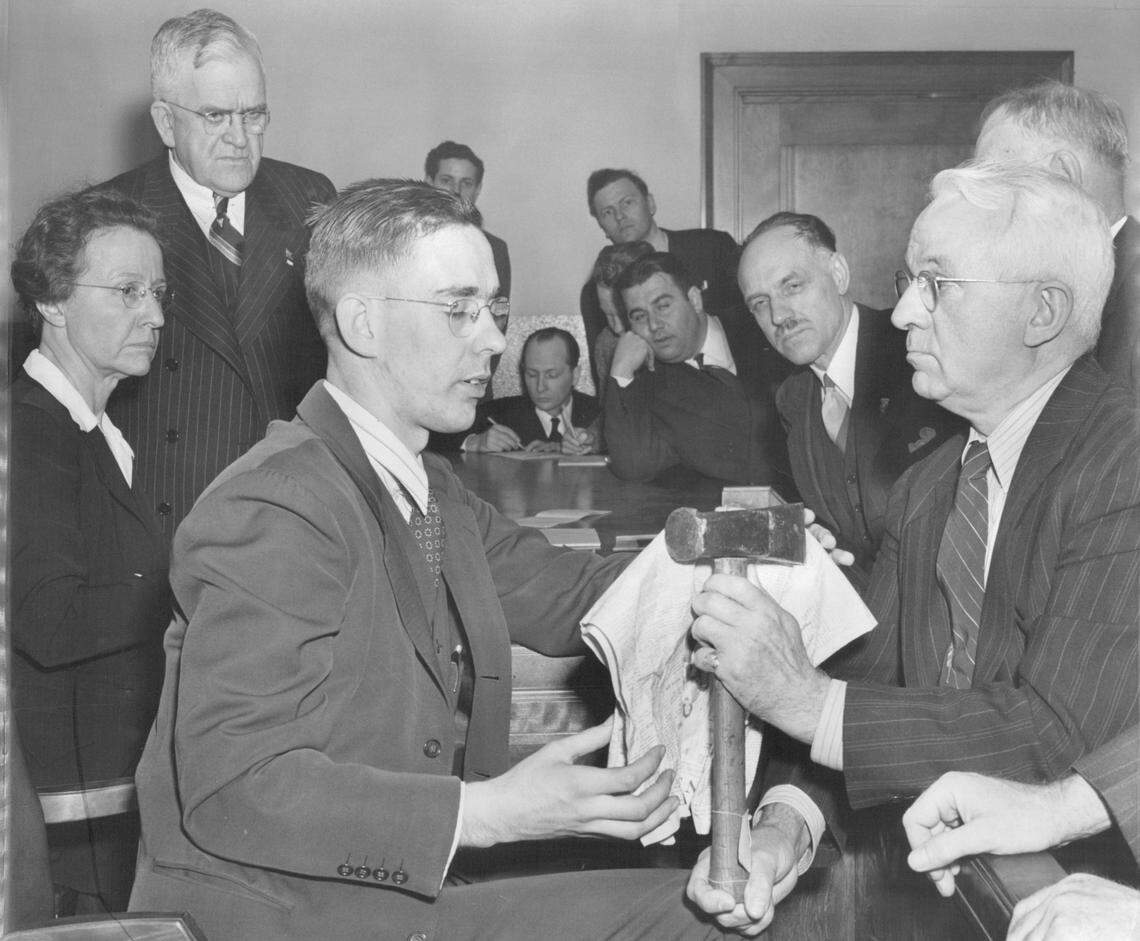
The murderer had brought with him a heavy “track chisel,” a nearly 5-pound hammer, with which he struck Welsh in the head twice, killing her. Judging from the lack of blood on other wounds to the body, the murderer waited perhaps half an hour for the blood to completely drain.
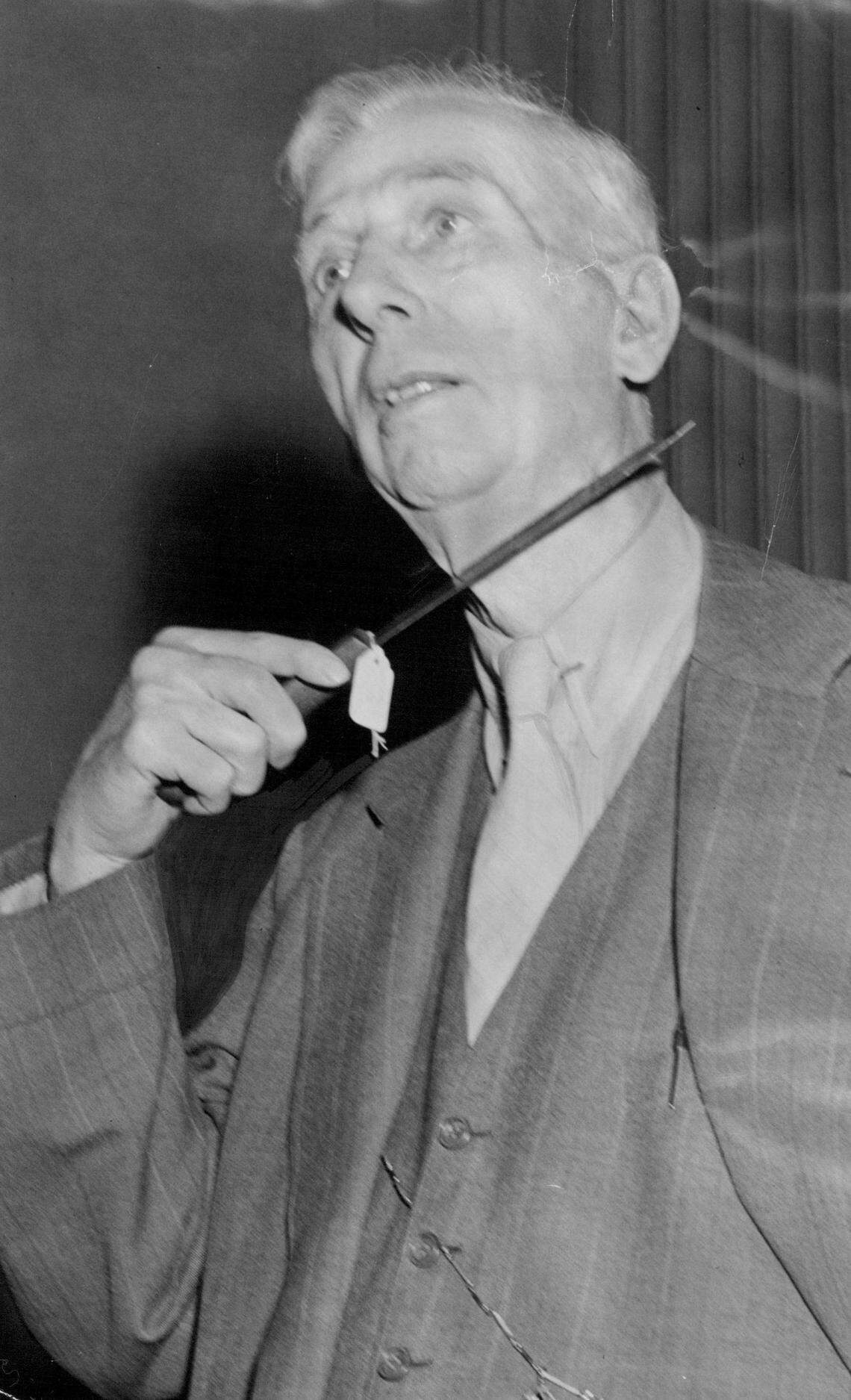
Using a man’s old shirt, which he had stolen from a neighbor’s garage earlier that evening, the intruder covered her neck before repeatedly cutting at it with a butcher’s knife. He shoved the shirt into the gaping wound.
The murderer also took a small piece of flesh from her right buttocks, perhaps as a trophy. Finally, the murderer left what police suspected was his calling card, writing the letter “S” or “G” in blood on her calf.
The killer exited through the window, walked across neighborhood backyards and down the alley, leaving a trail of evidence behind him.
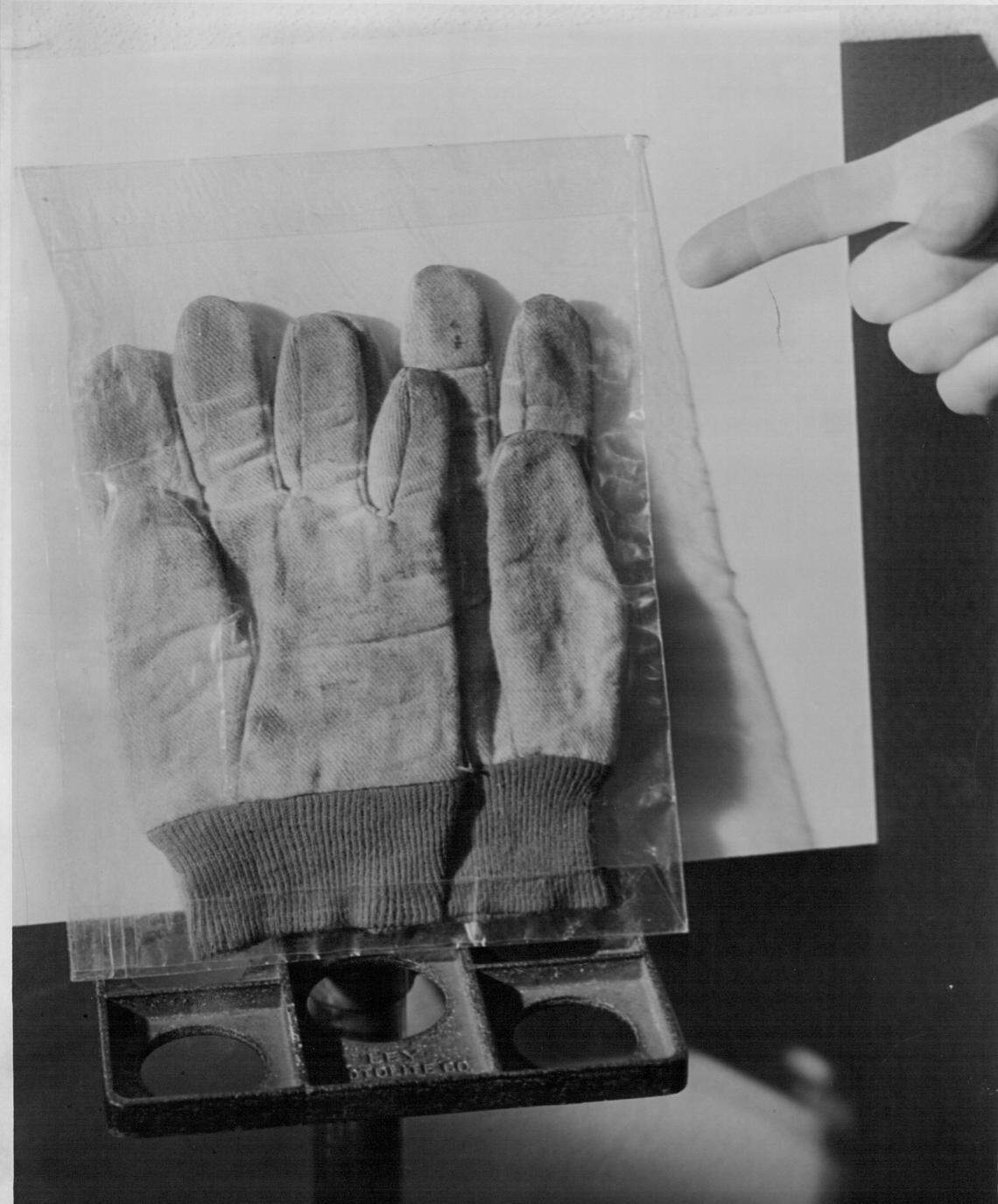
He left the hammer in Welsh’s bedroom and stuck the butcher knife in the ground in the backyard. He discarded the piece of flesh in another yard, along with a pair of small, bloody, cotton gloves. He washed his hands in snowmelt, creating a bloody puddle.
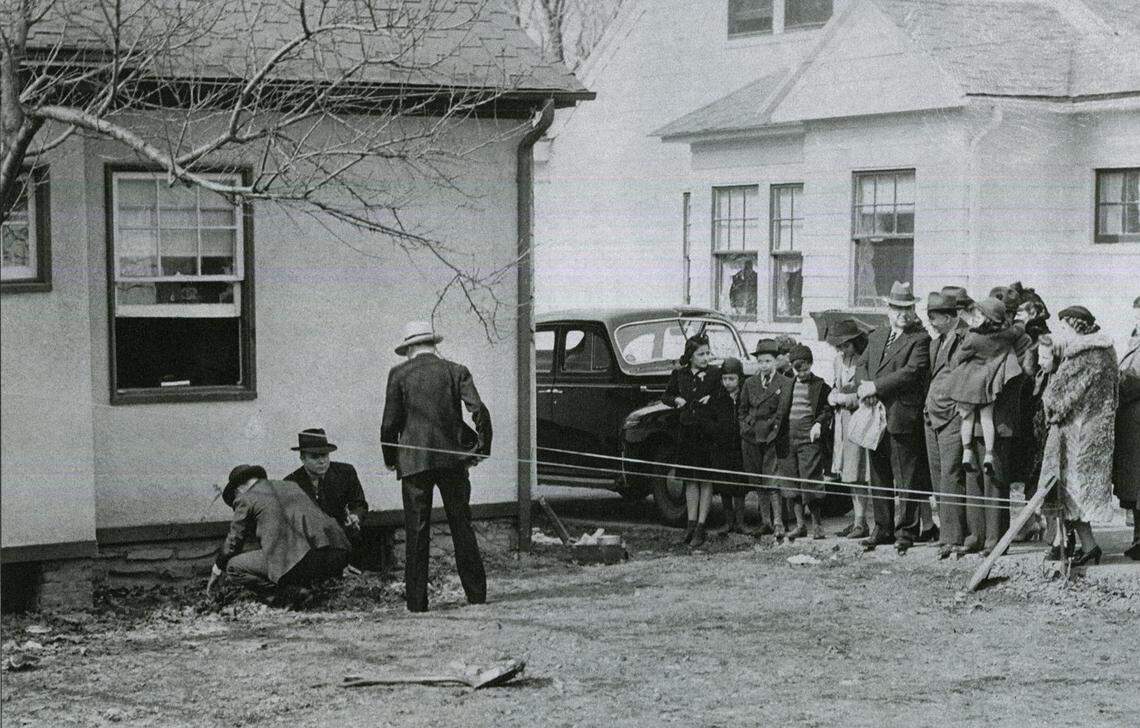
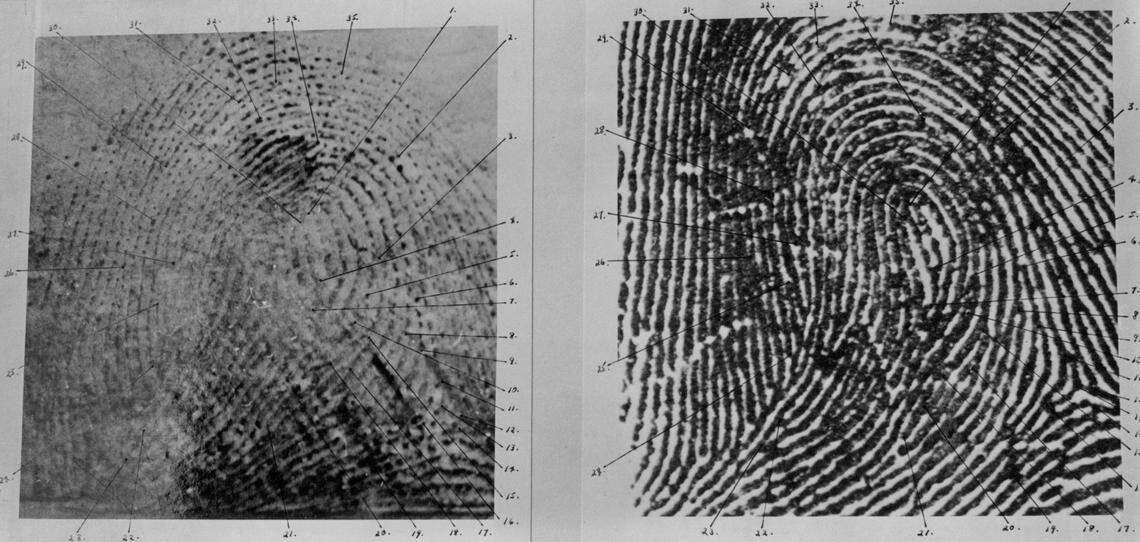
The crime scene yielded no fingerprints except for a pair on the outside of the windowsill. These fingerprints would later be identified as those of Leila’s brother, George Welsh II.
A scattered investigation
Almost immediately, the investigation into the murder ran into a roadblock that was unsurprising to anyone involved in Kansas City politics: the machinations of Tom Pendergast’s political machine.
At the time, Kansas City police chief and former FBI agent Lear Reed was on a campaign to clean up the police force and remove the lingering influences of Pendergast. Meanwhile the Jackson County sheriff’s office, under the authority of Sheriff Granville Richart, was still a part of the Pendergast machine.
It was a race to find the culprit, and the two departments worked separately to solve the crime, disparaging each other along the way.
Hardware store owner Joseph Louis Alport came forward and told police that he had sold the knife used in the murder to a short man between 30 and 40 years old with auburn hair. Although his description lacked detail, Alport assured the officers he could identify the man. However, shown pictures of several suspects, Alport said none was the man he had seen.
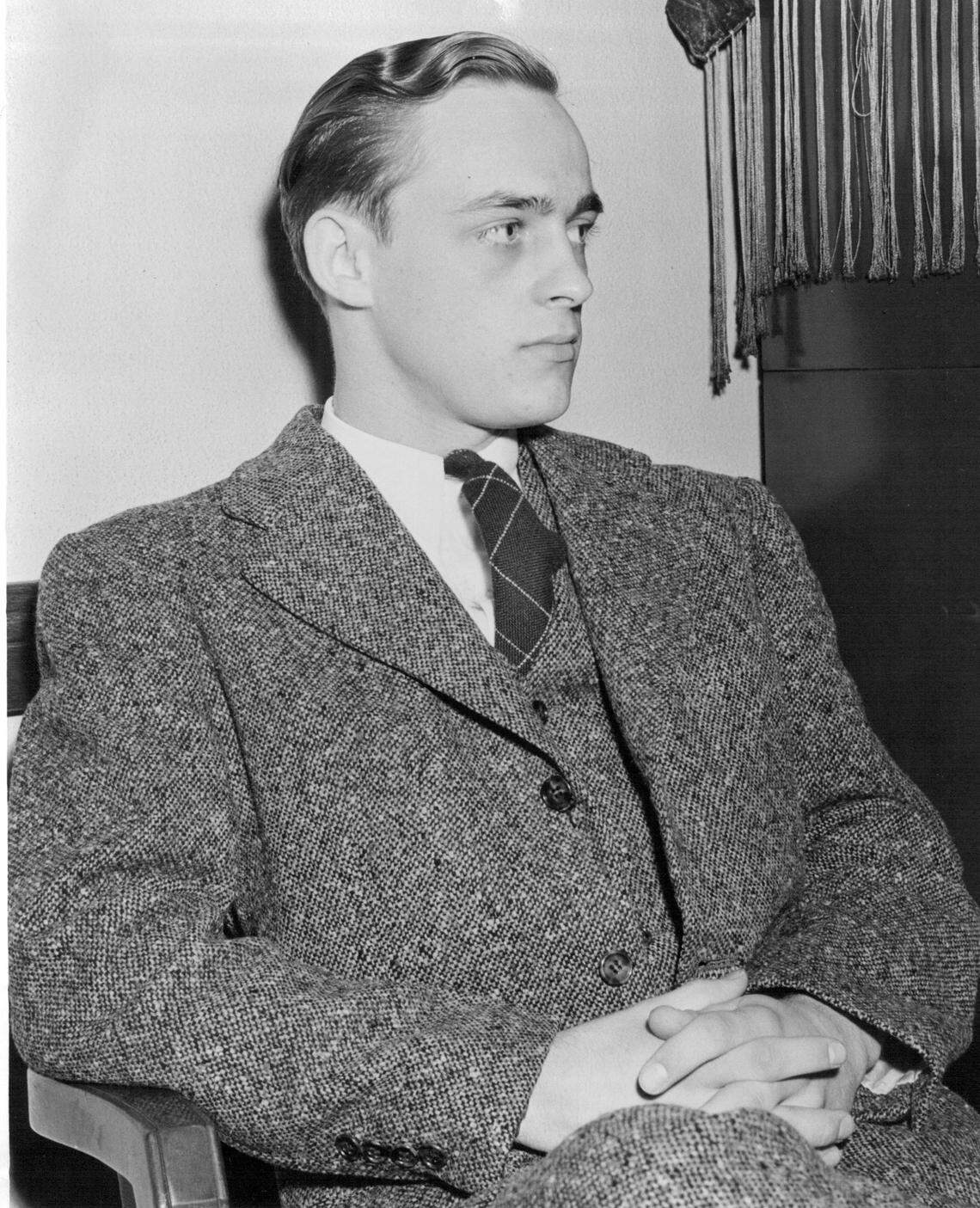
A month passed, during which police were inundated with tips and false confessions but no significant leads. Then Alport returned to the police station to inform the detectives he had been wrong. He did know the identity of the man who purchased the knife: It was George Welsh II, Leila’s brother.
Police were shocked. They had shown Alport a photograph of George Welsh II, and Alport had said he was not the man. While they were suspicious of this change, on Jan. 28, 1942, Jackson County sheriff’s deputies arrested George Welsh II.
A trial and exoneration
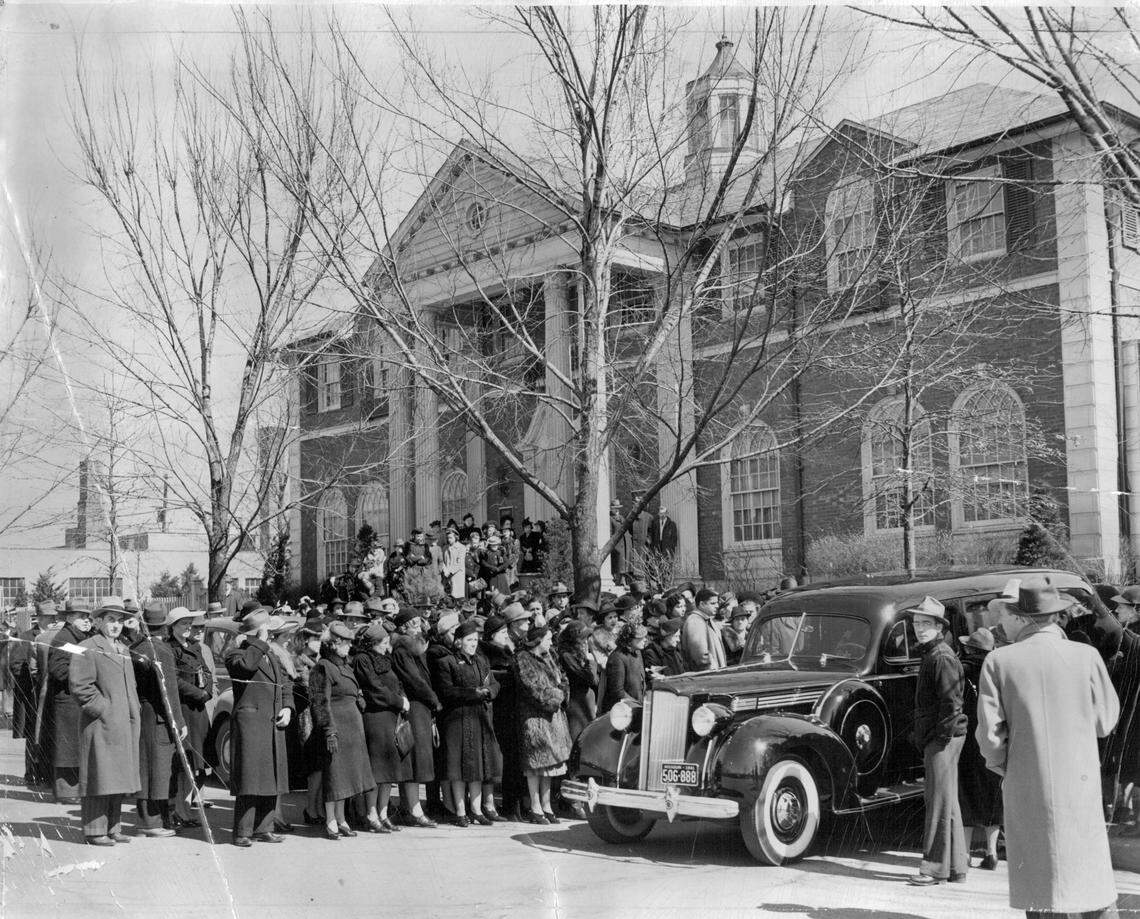
The trial of George Welsh II for the first-degree murder of his sister began May 18. A mob of Kansas Citians, enthralled with the drama of the case, gathered and tried to enter the courtroom.
To avoid the crowds, deputies led Welsh around the corner and had him enter the Jackson County Courthouse through a window.
The county’s case against Welsh relied mainly on the fingerprints on the windowsill, Alport’s testimony, and a perceived motive that George stood to inherit Leila’s share of the family’s fortune.
Prosecutors placed so much importance on the windowsill that they had it sawed off the house and carried into the courtroom.
The defense, led by renowned attorney John T. Barker, argued that the fingerprints could only have been left by someone sitting on the sill inside the room and leaning out, something George frequently did when he smoked in his sister’s room. A muddy footprint had been found in Leila’s bedroom, but nowhere else in the house, indicating the murderer came into the room from outside.
All of George’s shoes were clean, and it would have been impossible for him to sneak out of the house and reenter from the back without waking his mother. The financial motive was also discredited as George had previously turned down his share of the family inheritance.
On April 17, 1943, the jury decided unanimously that George Welsh II was innocent of the murder of his sister. No further charges in Leila Welsh’s murder were ever made.
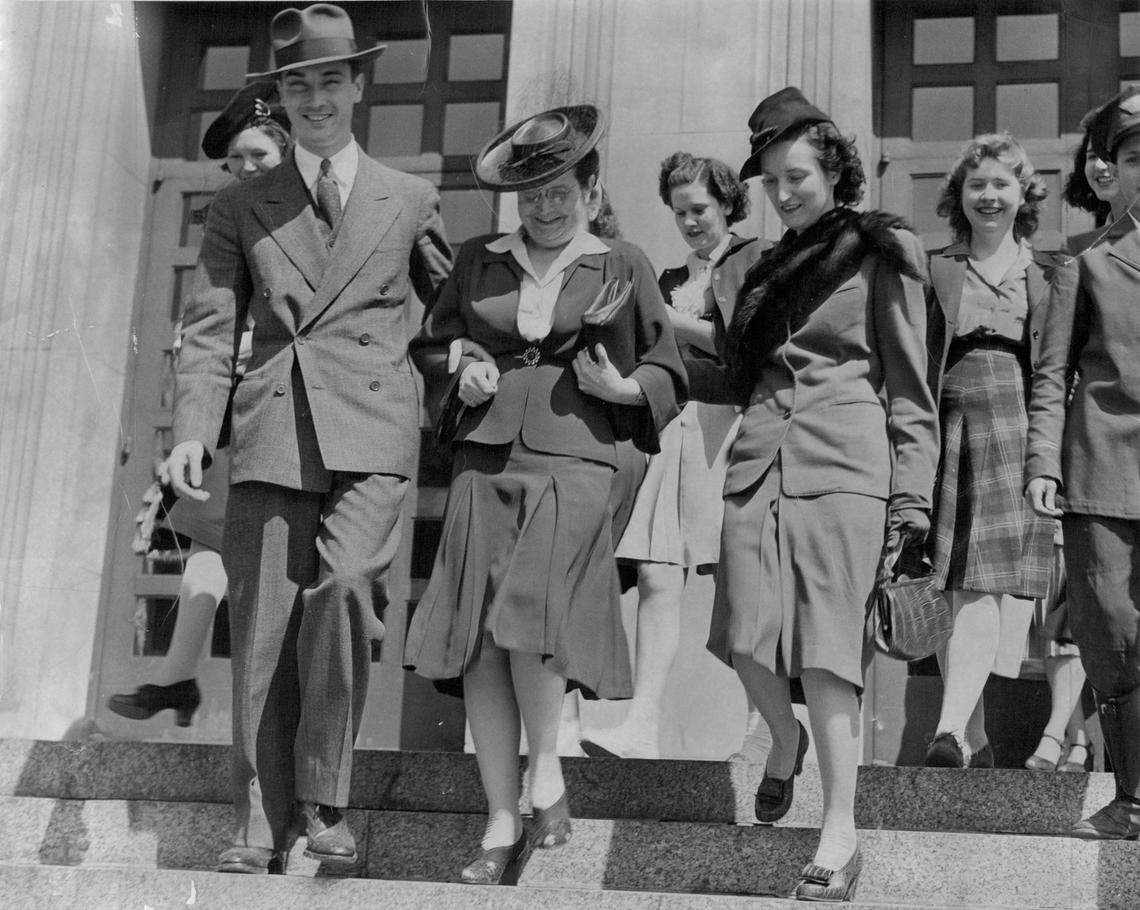
Throughout the years, several people have approached the Kansas City Police Department with supposed information about the murder — including a man who claimed that he had been at the murder scene as a child — but all proved to be false leads.
Though Eli Frankel reports in his book that a mutual acquaintance of Leila Welsh and Elizabeth Short named Carl Balsiger as their murderer, no further evidence points to him, and the decades’ old case is considered cold.
This story was originally published April 7, 2026 at 5:00 AM.