
This parade took over the streets of KC for 90 years. Why did it end?
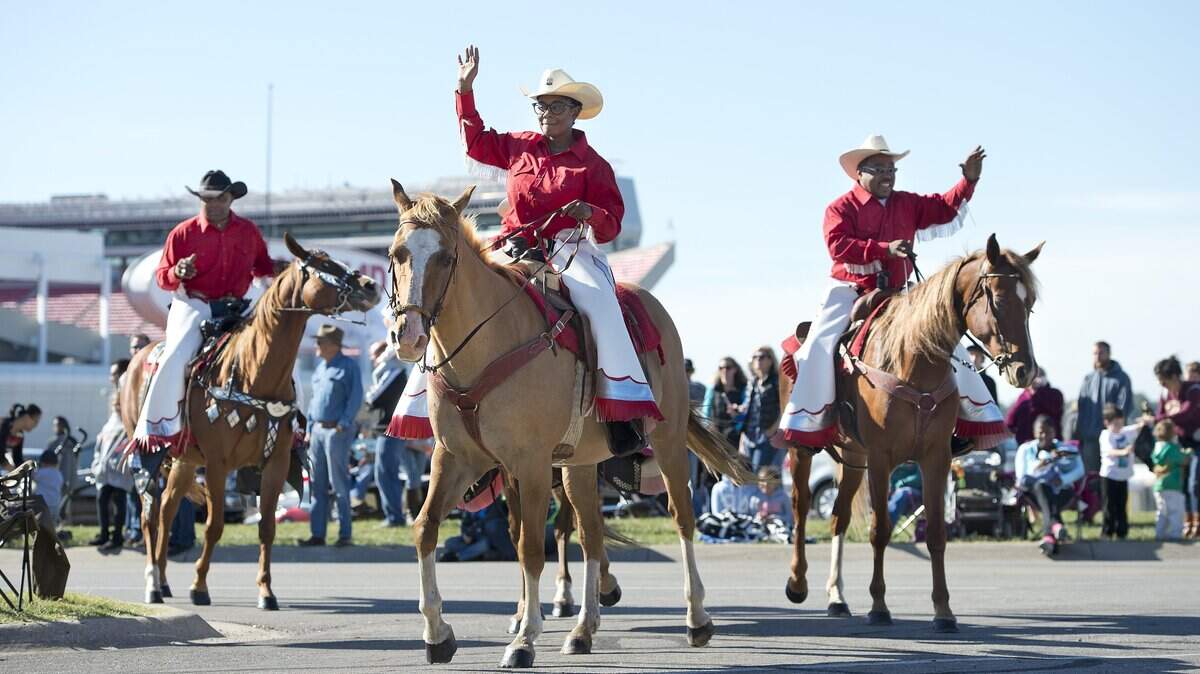
The morning of Saturday, Oct. 3, 2015, dawned cool and clear. The participants in Kansas City’s American Royal parade gathered with their horses, balloons, floats and marching bands as they had for decades.
But that year, the parade, themed “A Star-Spangled Salute,” wouldn’t be making its way through the Crossroads and downtown. Instead, it would traverse a three-quarter mile route between Kauffman and Arrowhead stadiums.
Despite the change in location, participants were excited to carry on the longstanding tradition.
Yet as the parade began, the marchers saw that this would not be a normal year. Few spectators lined the route, and while this seemed odd, they didn’t suspect that this would be the final American Royal parade.
Recently, a reader asked KCQ what exactly happened to the parade. To understand its rise and fall, one must go back to the beginning of the American Royal stock show.
Birth of the American Royal livestock show
In October 1899, the American Hereford Breeder’s Association met for the first “National Hereford Show.” The gathering filled a tent that stretched down Genesee Street between the 17th and 18th blocks. At this first livestock show, approximately 300 out of the 541 exhibited Hereford cattle sold for an average price of $317.
But the belle of the ball was a cow named Armour Rose that sold for $2,500 (almost $99,000 in 2025) to future Nevada Governor John Sparks.
The show was so successful that the following year the American Shorthorn Breeders Association joined. That was also the first year someone referred to the event as the “American Royal.”
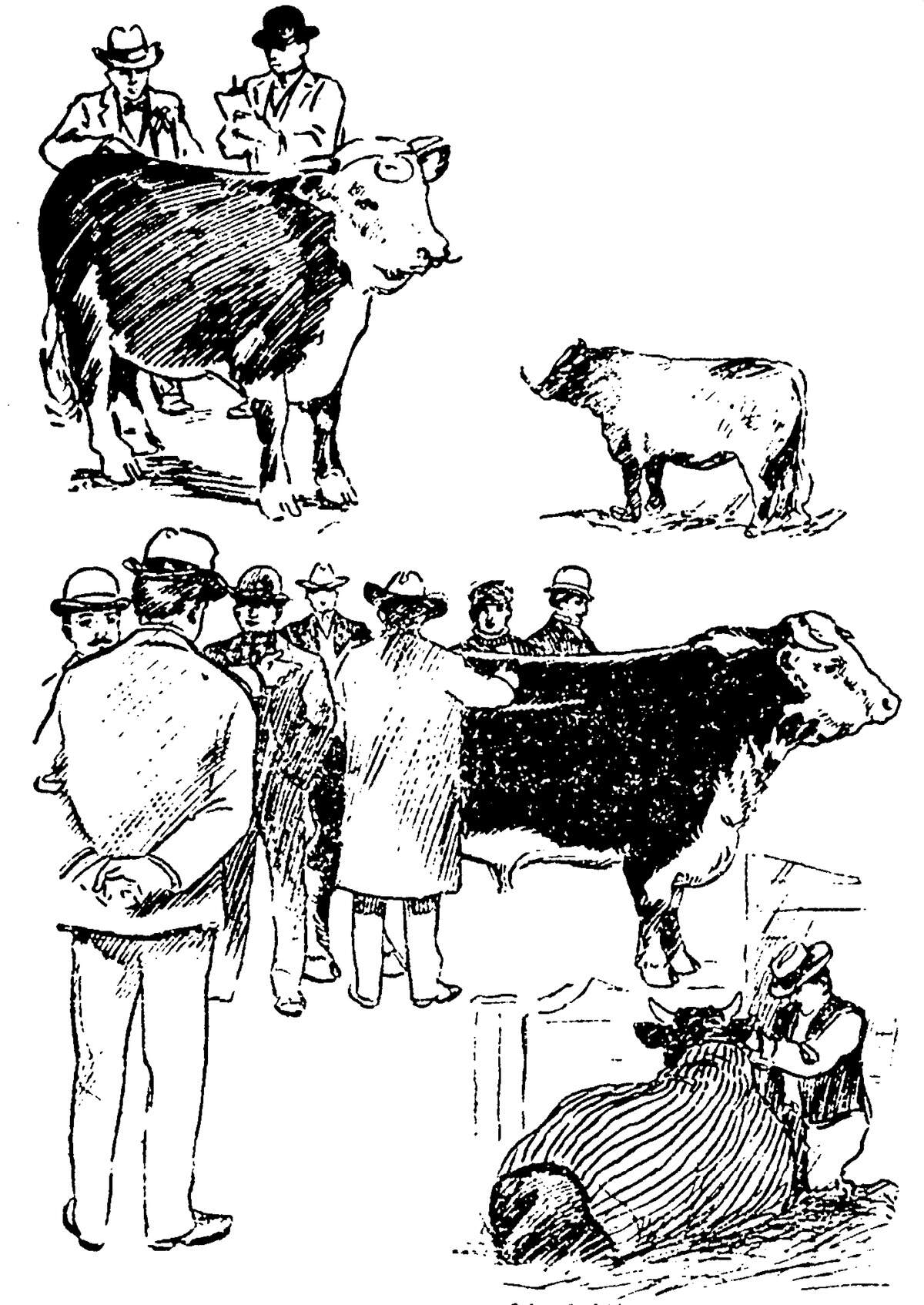
Charles Curtiss, an agriculture professor from Ames, Iowa, remarked to Walter P. Neff, editor of the “The Drovers’ Telegram,” that he had gone to the British Royal Livestock show and that, in his opinion, the American competitors outperformed the British and deserved to be called the American Royal.
A few months later, Neff wrote an opinion piece entitled “Call It American Royal.” The name stuck and the 1901 show was gladly proclaimed the Great American Royal cattle show.
Growth of the American Royal
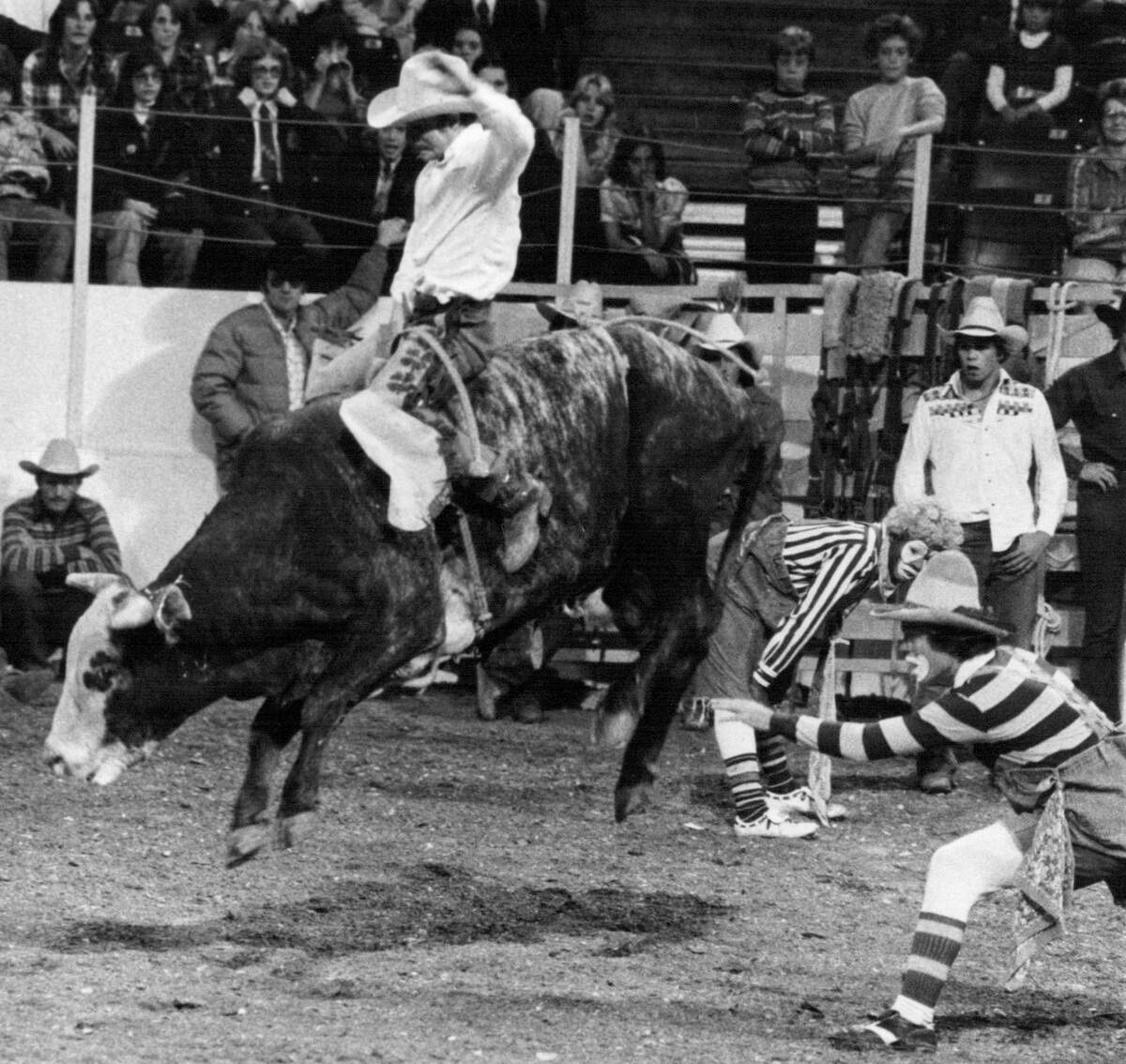
By 1903, the American Royal included not only Hereford, Shorthorn, Galloway and Angus cattle, but also hogs, sheep, goats and horses. In 1905, organizers added a horse show, and by the 1920s, the livestock show included rodeo and vaudeville acts as well as industrial exhibitions.
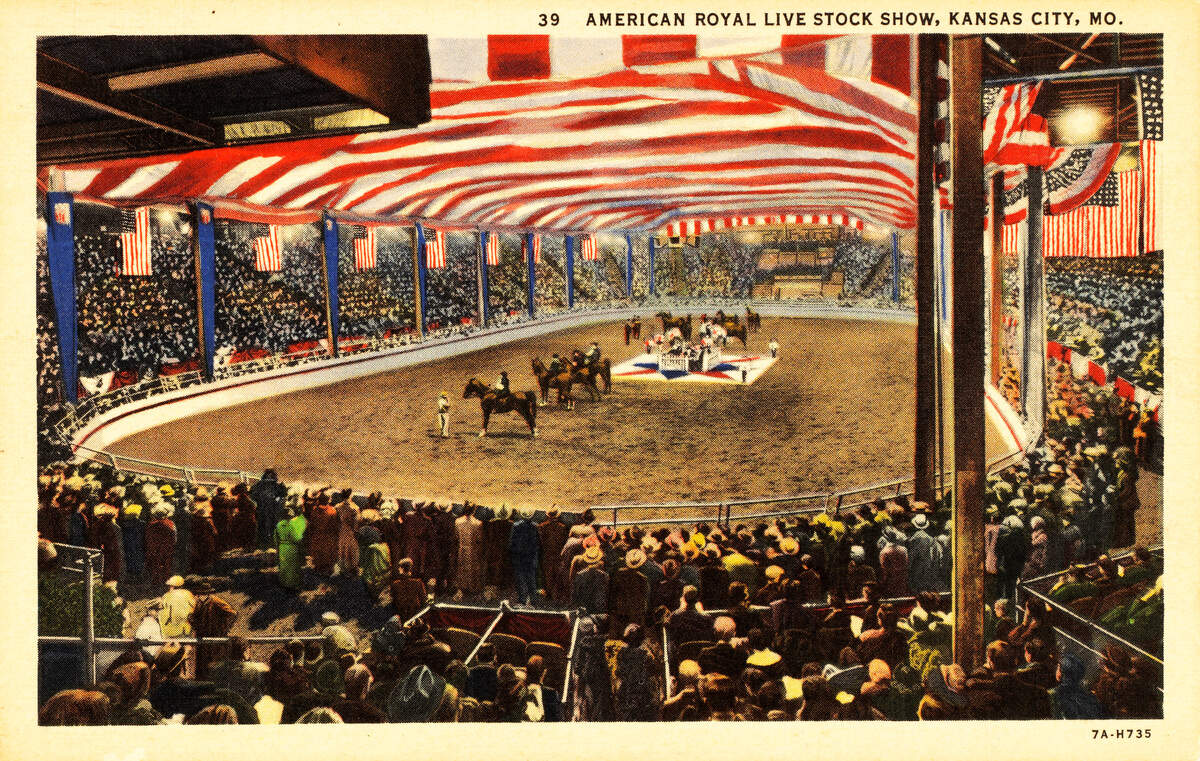
After years of holding the American Royal in the civic auditorium and Electric Park, on Nov. 18, 1922, the annual show opened in a new purpose-built exposition center with a performance of George Frideric Handel’s “Messiah” by the Lindsborg Chorus from Lindsborg, Kansas.
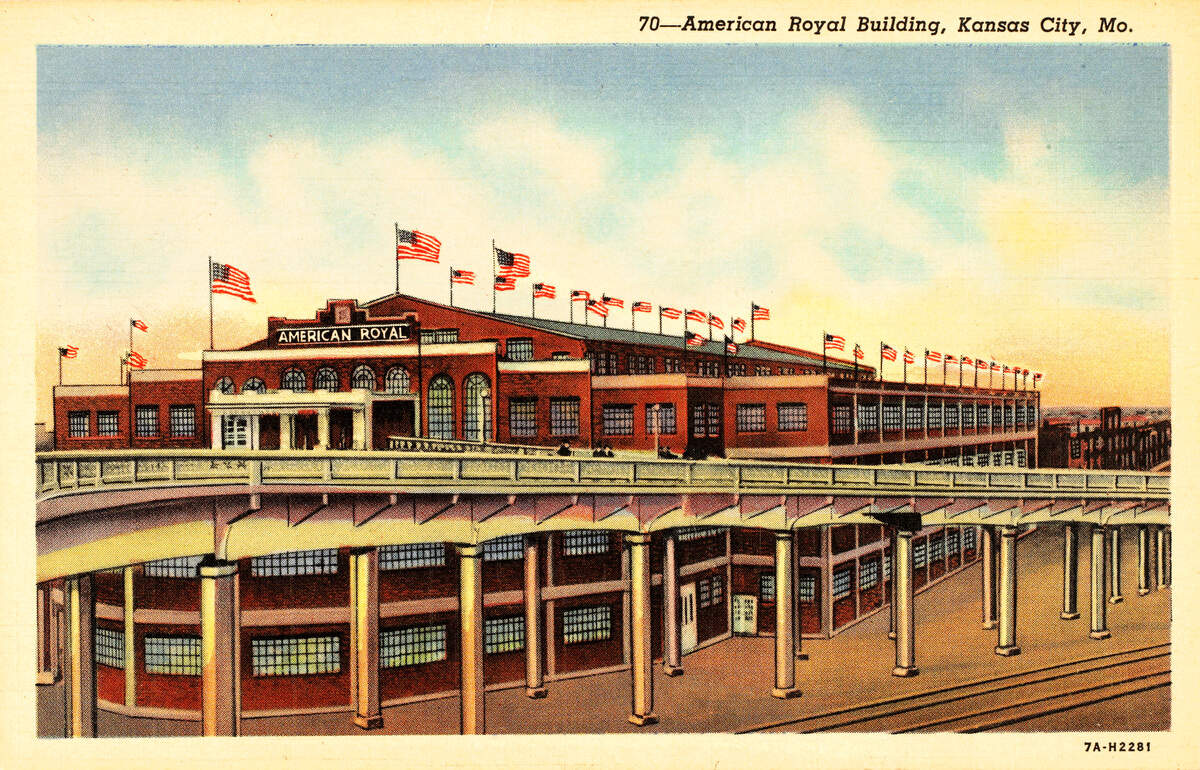
The new exhibition center could host 11,000 spectators on three levels and cost $650,000. The facility had to maintain a constant 70 degrees to accommodate the pipe organ, loaned by George Kilgen & Sons Pipe Organ Manufactory of St. Louis for that inaugural performance.
Tragically, a fire consumed the new building the night of Feb. 13, 1925, while the arena hosted the Kansas City Motor Show. Firefighter Captain John Crane was killed while trying to extinguish the blaze. Damages to the cars alone were estimated to be more than $1 million.
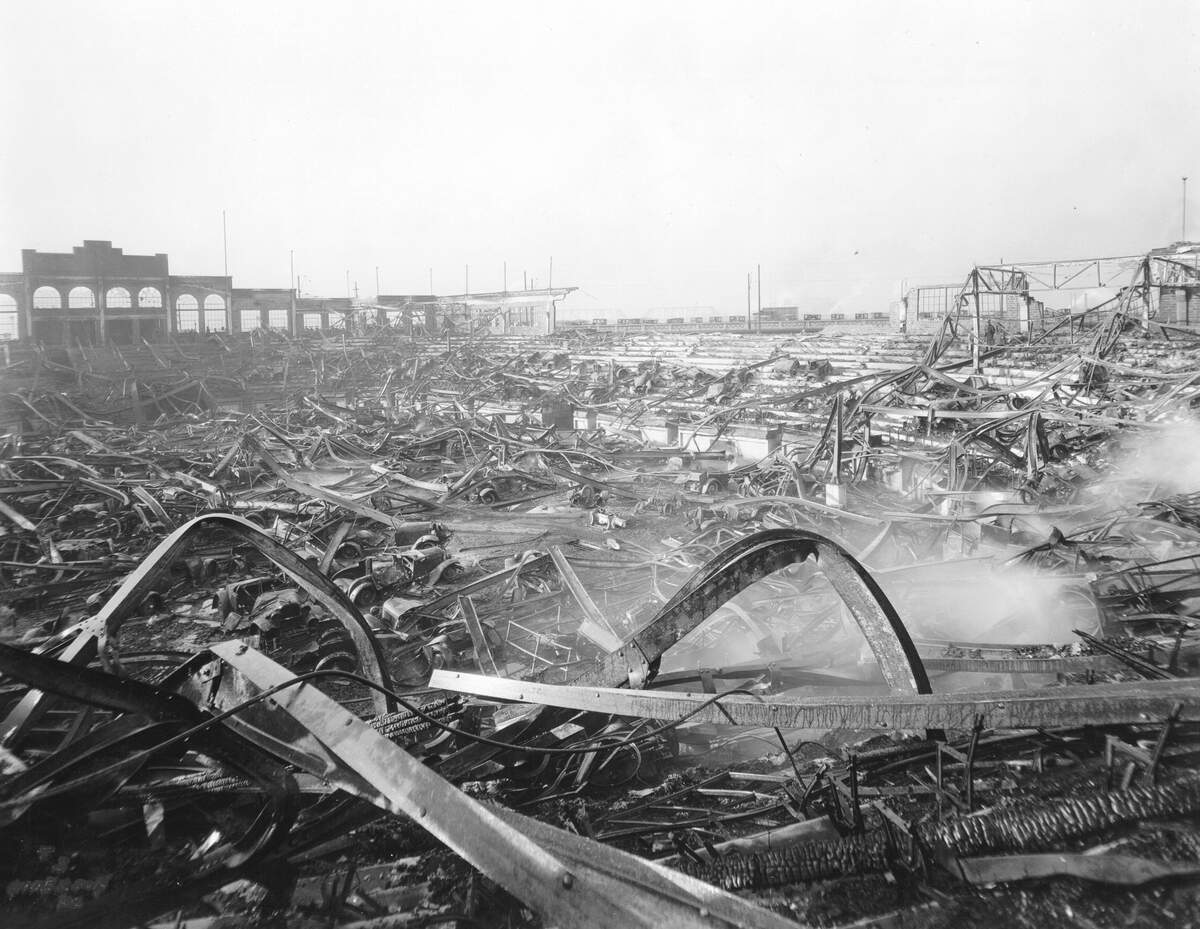
American Royal officials rebuilt the arena in time for the annual livestock show that October.
The beginning of the parade
In 1923, the first American Royal parade was held. The main stars were the hundreds of cattle exhibited in that year’s livestock show. To keep a steady pace, cattle rode in show wagons. Two hundred cowboys led the parade, all of whom worked for the Kansas City Stockyards. Local marching bands offered a soundtrack to the spectacle.
In 1933, the city manager famously stopped the parade at 17th Street and Grand Avenue as it made its way into downtown. Then-manager Henry McElroy told reporters in an impromptu press conference that parades were not permitted to enter downtown on Saturdays, as it might add to traffic congestion.
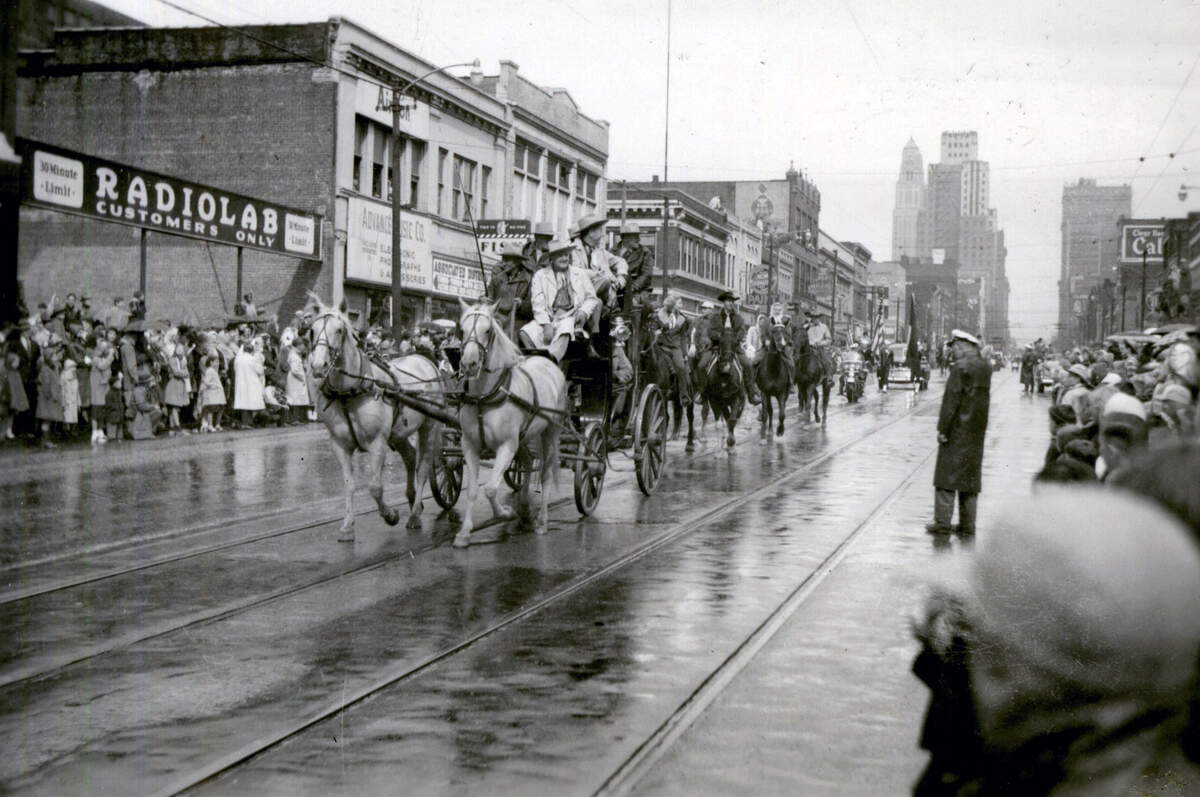
But by that time, thousands of spectators had already lined the streets. George Catts, the city council’s agricultural commissioner who led the parade atop his horse, was confused. The parade route had been planned long in advance with a representative of the police department. Catts, with no other option, turned the parade onto 17th Street and slowly wound it back to the American Royal building, leaving the spectators in downtown wondering where the parade had gone.
The Royal’s impact on KC and the Midwest
Another tradition, the annual American Royal Queen Pageant, began in 1939. Originally, civic organizations selected participants who represented their respective Midwestern cities and colleges. Then, in 1971, the contest shifted its participant pool to members of the Future Farmers of America, which had held its national convention at the Royal since 1928.
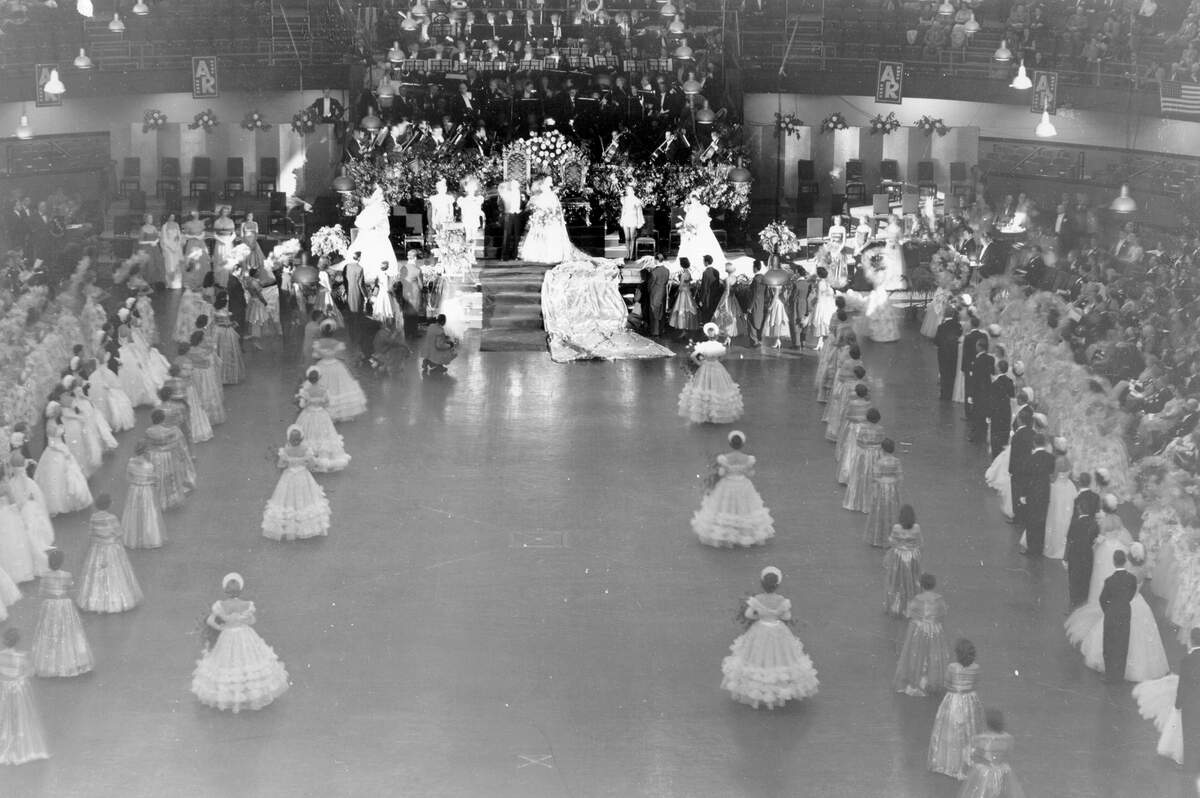
The addition of a professional rodeo and dairy cow competition made 1949 particularly significant. That year also included the Belles of the American Royal, also called BOTARs, a contingent of young socialites who helped plan and execute the annual stock show. The BOTARs tradition was separate from the established pageant.
The parade continued to grow, incorporating local horse clubs, businesses, and community institutions. Interest in marching in the parade was so intense that organizers implemented rigorous selection criteria like the quality of the horses’ grooming, saddles, tack, and the riders’ appearance. In 1959, 1,800 horse riders applied, and only 919 got to march.
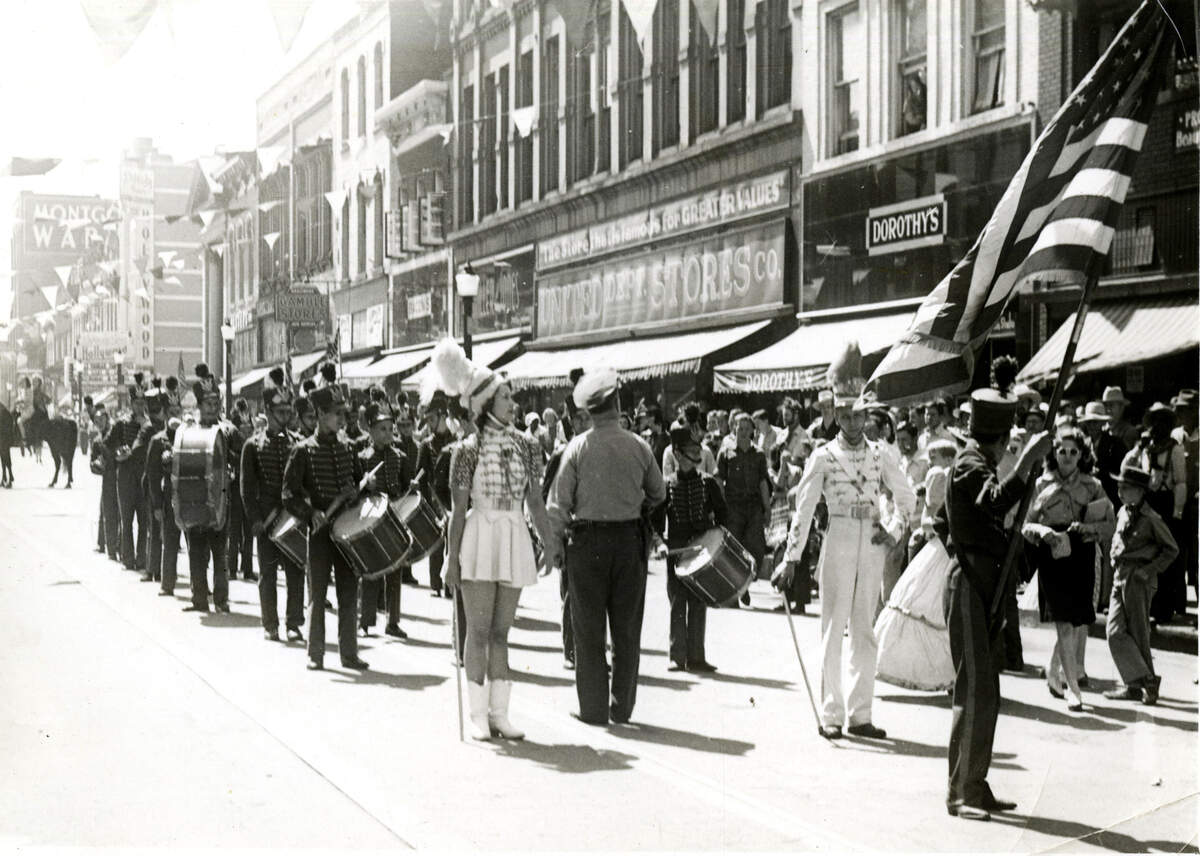
By the 1960s, the Royal was so ingrained in the city’s culture that when Major League Baseball’s office of the commissioner granted Kansas City a new baseball team, Kansas Citians chose to name it the Royals.
The American Royal’s evolution
But existing as a piece of the local fabric couldn’t stop the 50-year-old American Royal building from deteriorating or make the back payments on stockyard land. Out of necessity, in 1975 the American Royal relocated to the newly finished Kemper Arena until completion of its new arena next door nearly 20 years later.
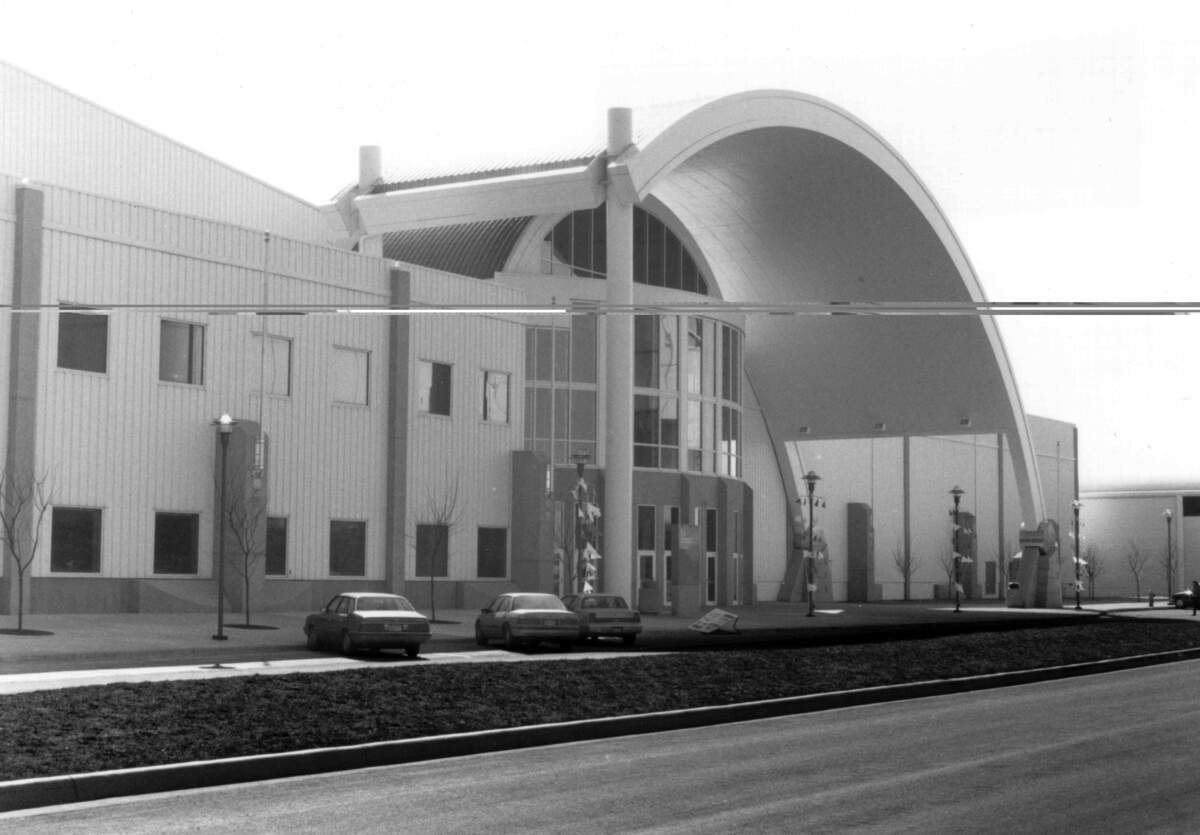
Still, the tradition endured, and organizers continued to add features, like the beloved World Series of Barbecue, which started in 1980. And while the barbecue contest gradually began to eclipse the stock show in popularity and even gained national attention, the parade continued to be a highlight.
Parade gets revamp
That is, until 2015.
That year, in an attempt to attract more families and allow for more space than the barbecue competition traditionally had on the streets and parking lots surrounding the American Royal building, organizers moved the contest to the Truman Sport Complex. With it went the American Royal Parade.
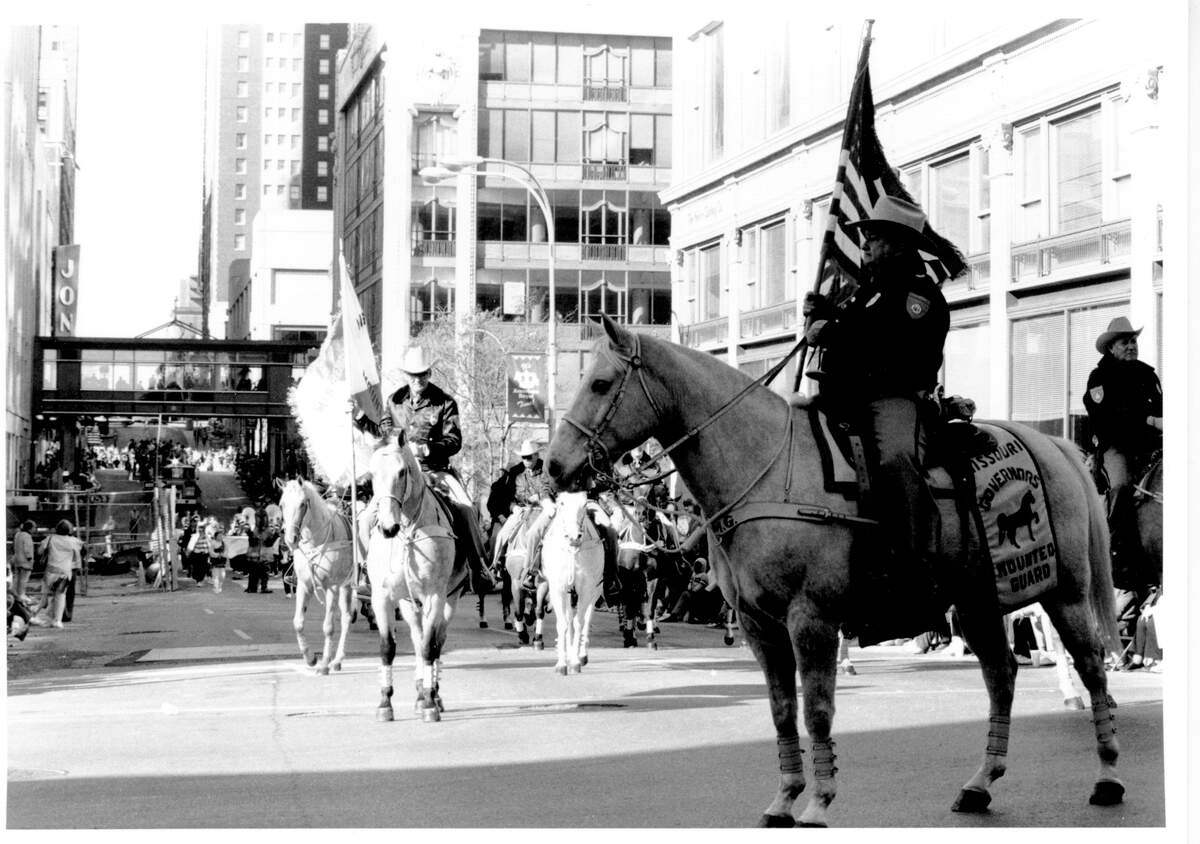
The parade sustained a series of setbacks in the years just before this major change. Letters to the editor of The Kansas City Star complained that the parade’s participants far outnumbered the spectators in 2011, the year the Royal broke from tradition and rescheduled the parade to coincide with the competition. Two years later, inclement weather forced the parade’s cancellation altogether.
The end of the American Royal parade
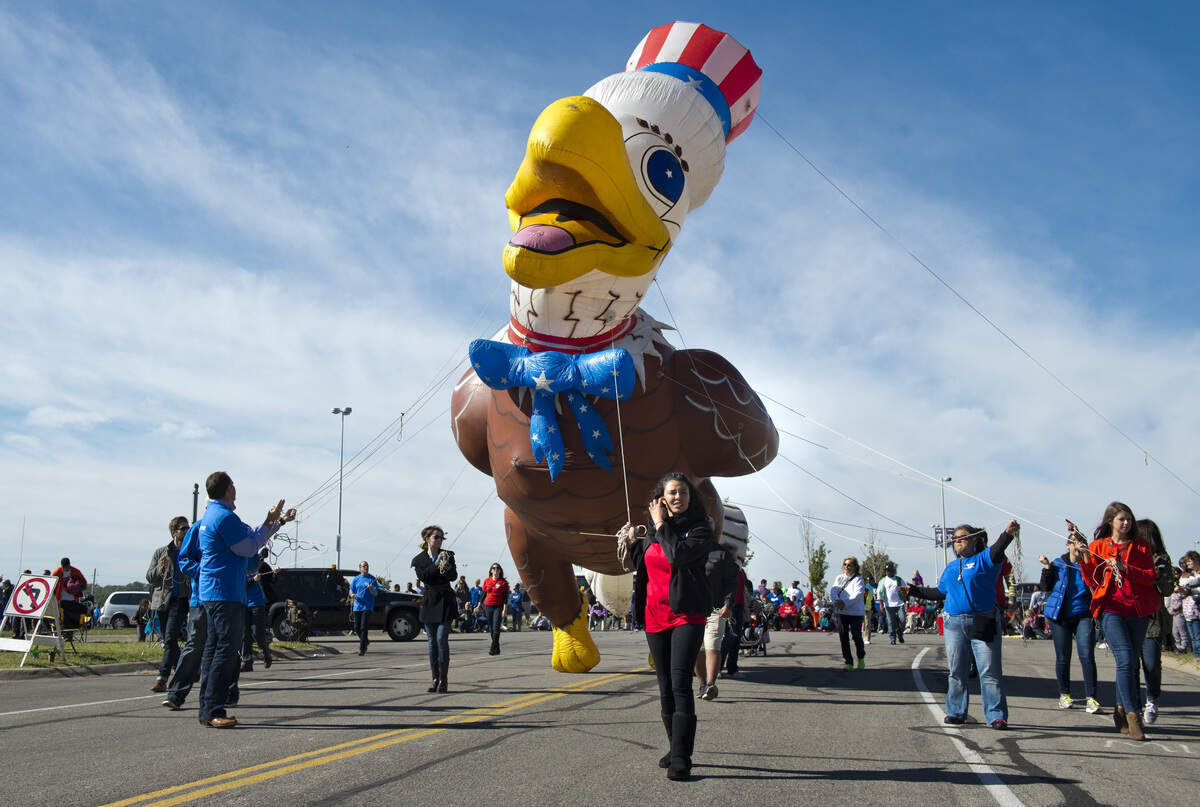
Then came the end.
The 90th annual American Royal Parade, no longer wending its way past downtown’s homes, shops, bars and restaurants but marching through the empty parking lot of the Truman Sports Complex, attracted only a small fraction of attendees it once had. The parade simply didn’t survive being relocated.
Today, the American Royal still hosts its annual rodeo, equestrian show, livestock show, and the World Series of Barbecue, but gone are the days of horses, cattle, and marching bands parading through downtown Kansas City — or anywhere else.