
What was the first movie ever shown in Kansas City? KCQ breaks down cinema history
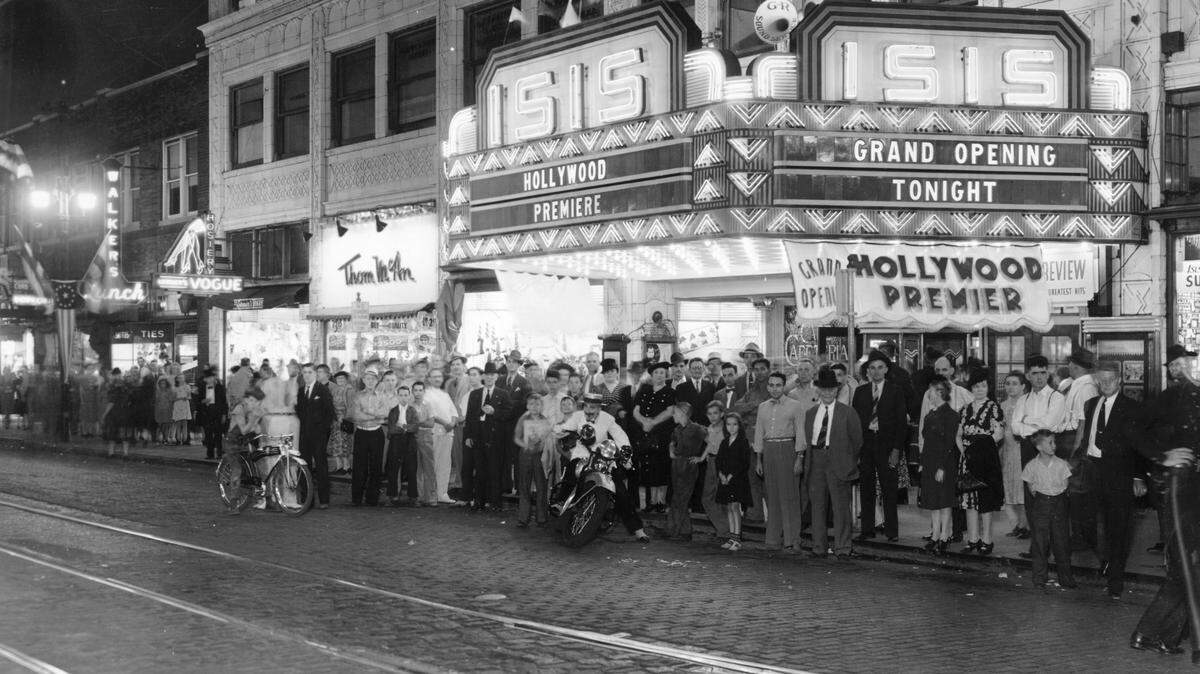
Kansas City has been involved in the moviemaking and theatre industry since films evolved from lowbrow novelties to influential art that captivated audiences.
In the early 20th century, movies dominated Kansas City’s commercial amusement landscape. More than 170 theaters opened in Kansas City, before 1950, with 166 dedicated to movies. In 1915 alone, the city boasted approximately 90 theaters — all but one exclusively screening films.
A reader asked KCQ what the first movie shown in Kansas City was, and what some of the first movie theaters were?
When movies were first made and shown in Kansas City, they were curious phenomena and not the cultural staples they would become. Since its first screenings in the 19th century, Kansas City has shaped what moviemaking and movie-going would mean for its community and beyond.
THE BEGINNING
In the spring of 1897, audiences at the Coates Opera House downtown witnessed the first movies shown in Kansas City. The Coates screened three back-to-back films, typical of early cinema, each under a minute long and depicting real-life scenes and events with no plot.
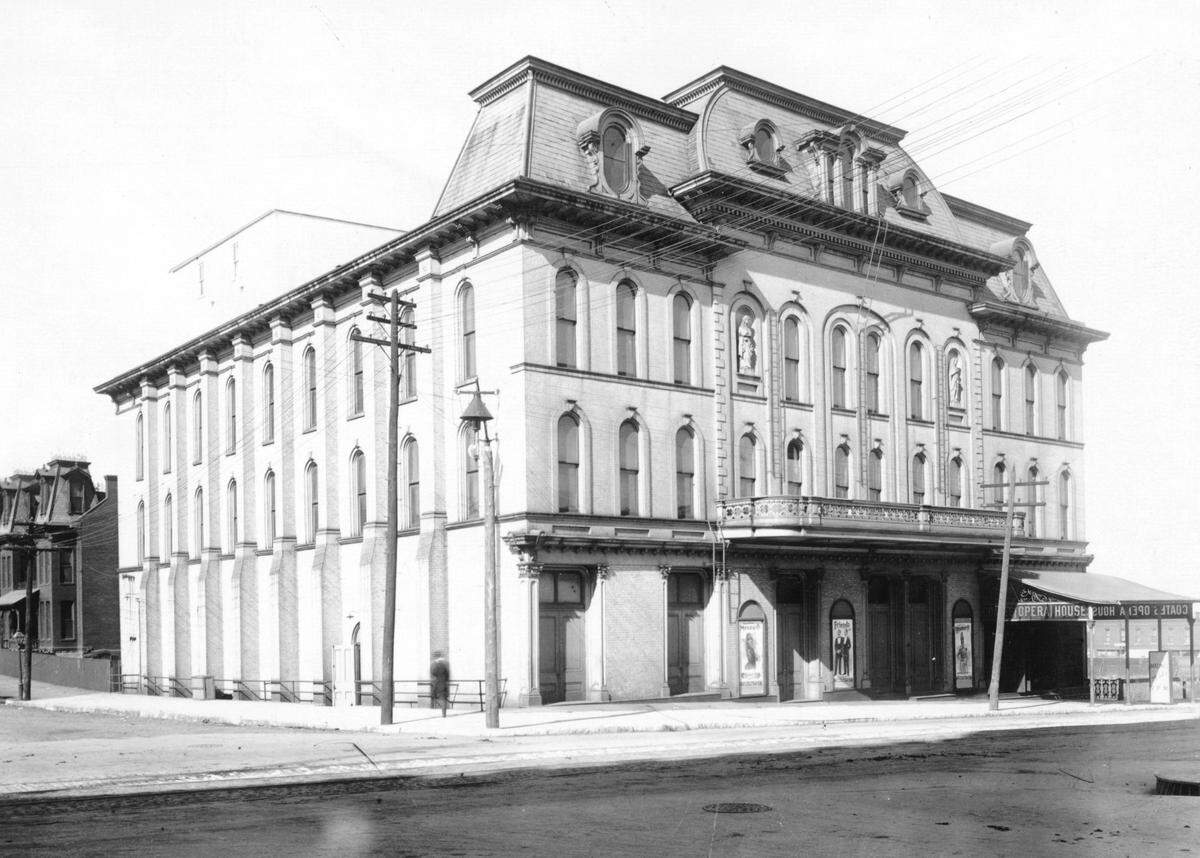
The first of these was “The Grand Canal of Venice,” produced by the Lumière Brothers. Contemporary reviews described it as a “scenic thing of little merit” featuring shots of Venetian canal boats. The second was “The Black Diamond Express,” featuring an approaching train in the Lehigh Valley of the northeastern U.S. This Thomas Edison-produced film was described as “serving the purpose of thrills” as women jumped from their seats and screamed while men whooped and stamped in excitement, expecting the train to run them over. The final and most controversial film was Edison’s “The Kiss,” featuring vaudeville actors May Irwin and John Rice sharing a kiss.
Each film at the Coates lasted between 18 and 43 seconds. It took years of conditioning audiences to get used to watching longer feature films that would become the standard after 1913.
THE FIRST FILMMAKER
While Robert Altman or Walt Disney may be the most recognizable filmmakers from Kansas City, few know the name George W. Curtiss.
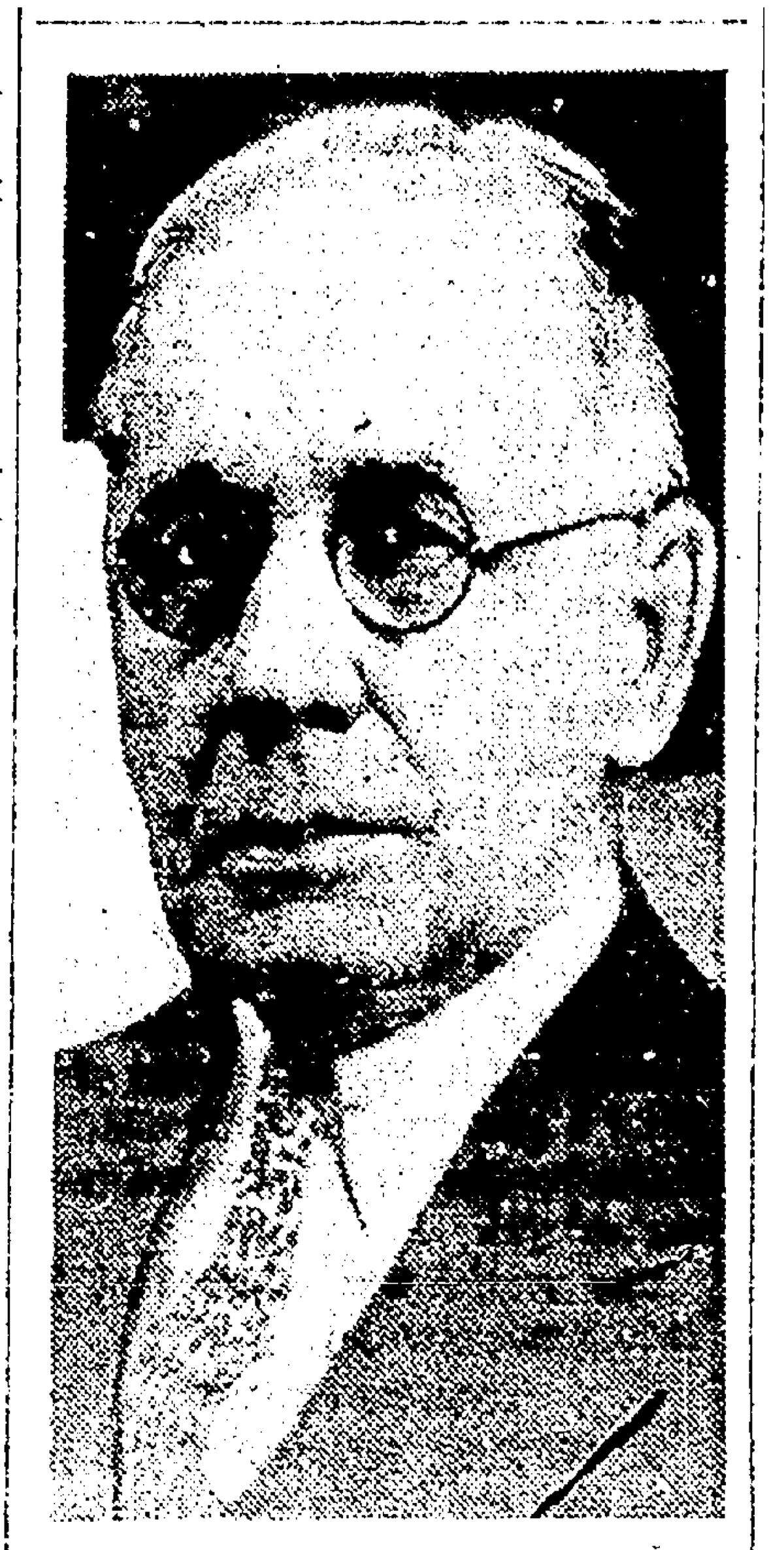
A photographer by trade, Curtiss was the first filmmaker in Kansas City and possibly the first filmmaker west of the Mississippi. In the same year as the Coates Opera screenings, Curtiss captured the earliest filmed scenes of Kansas City, including the Junction at Ninth and Main streets. Using an animatograph — a pioneering device that functioned as a camera and a projector — he filmed cable cars, trains, and the city’s last mule-drawn streetcars.
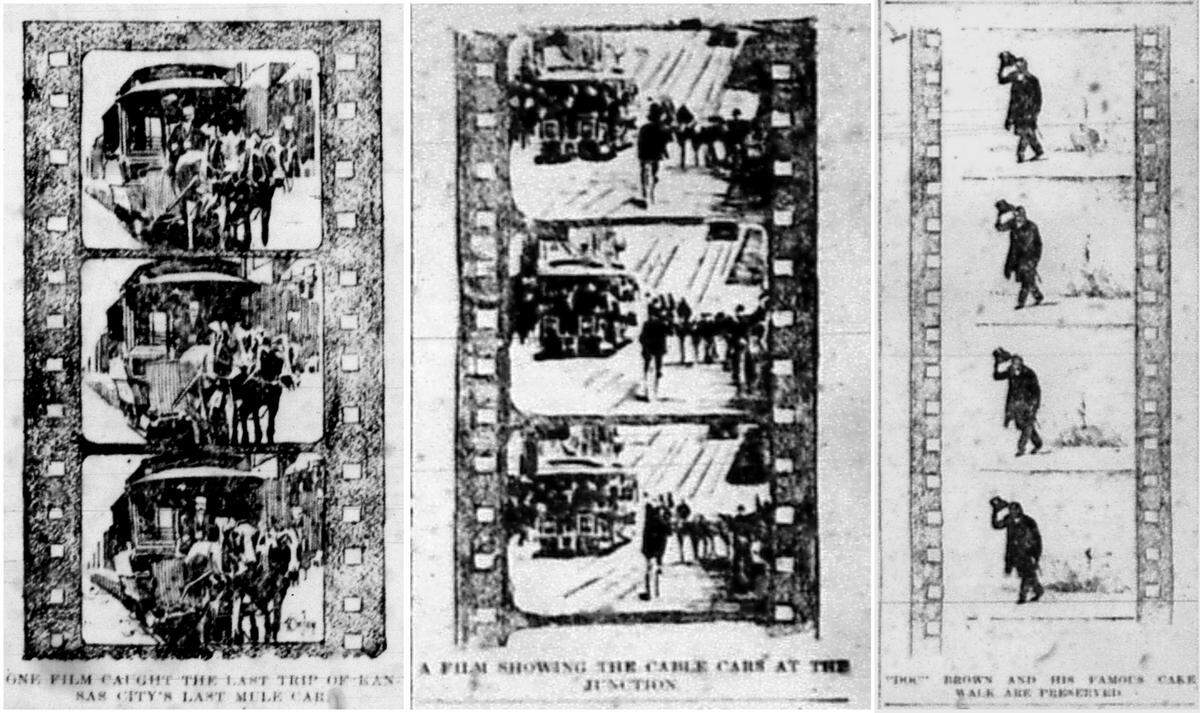
Curtiss even recorded local figures like Joseph “Doc” Brown, a notable Black cakewalk dancer, and George C. Hale, then the fire department chief who later created Hale’s Tours of the World, an immersive movie amusement in which audiences entered a fake Pullman-style train car where moving images, sounds, and physical swaying gave the sensation of traveling through various locations.
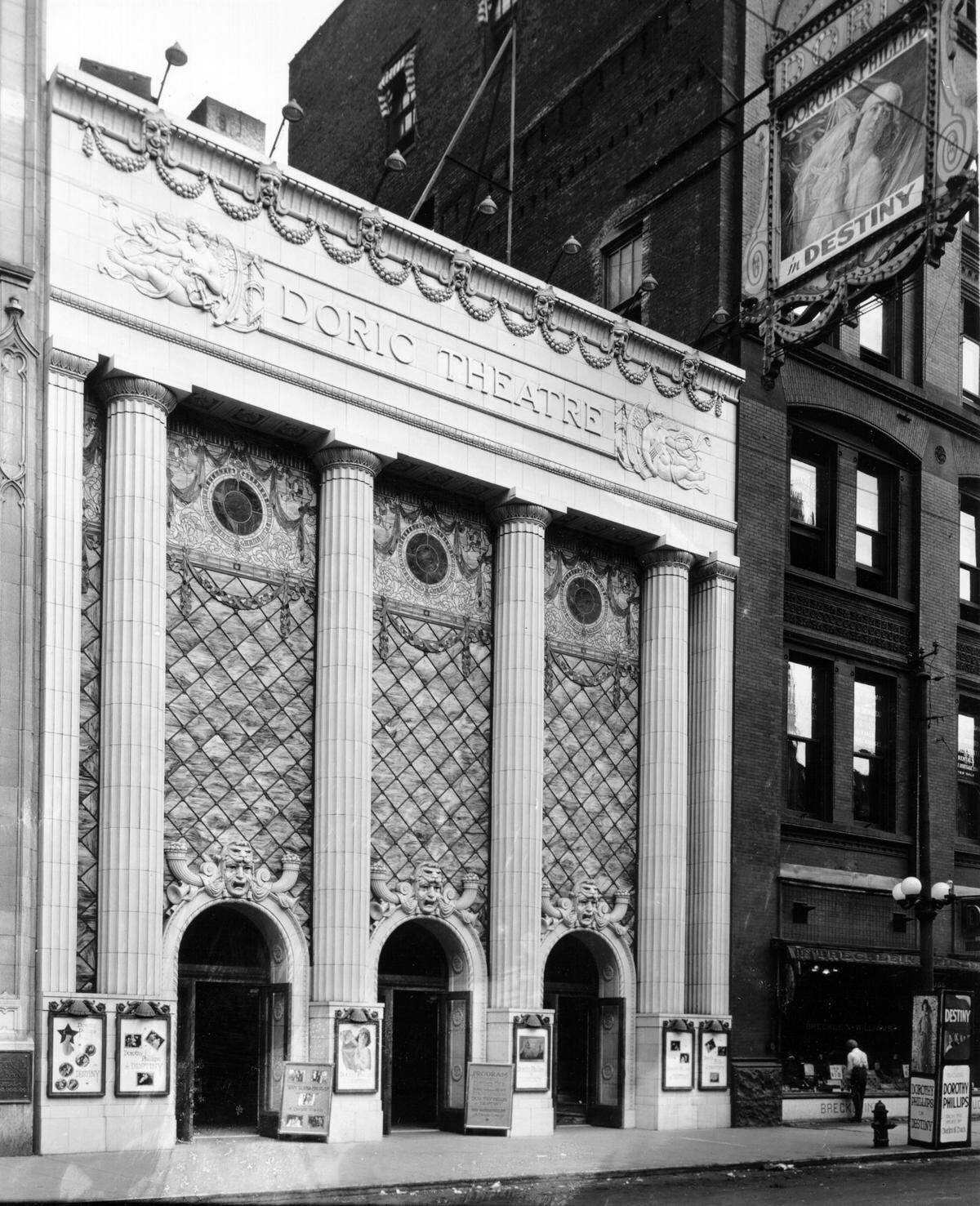
Curtiss’ films played at Fairmount Park throughout the summer of 1897. In 1918, Curtiss opened the Doric Theater downtown and patented other cameras to improve modern movie experiences.
His early contributions highlighted Kansas City’s role in independent filmmaking while capturing snapshots of everyday life in the city.
EARLY MOVIE THEATERS
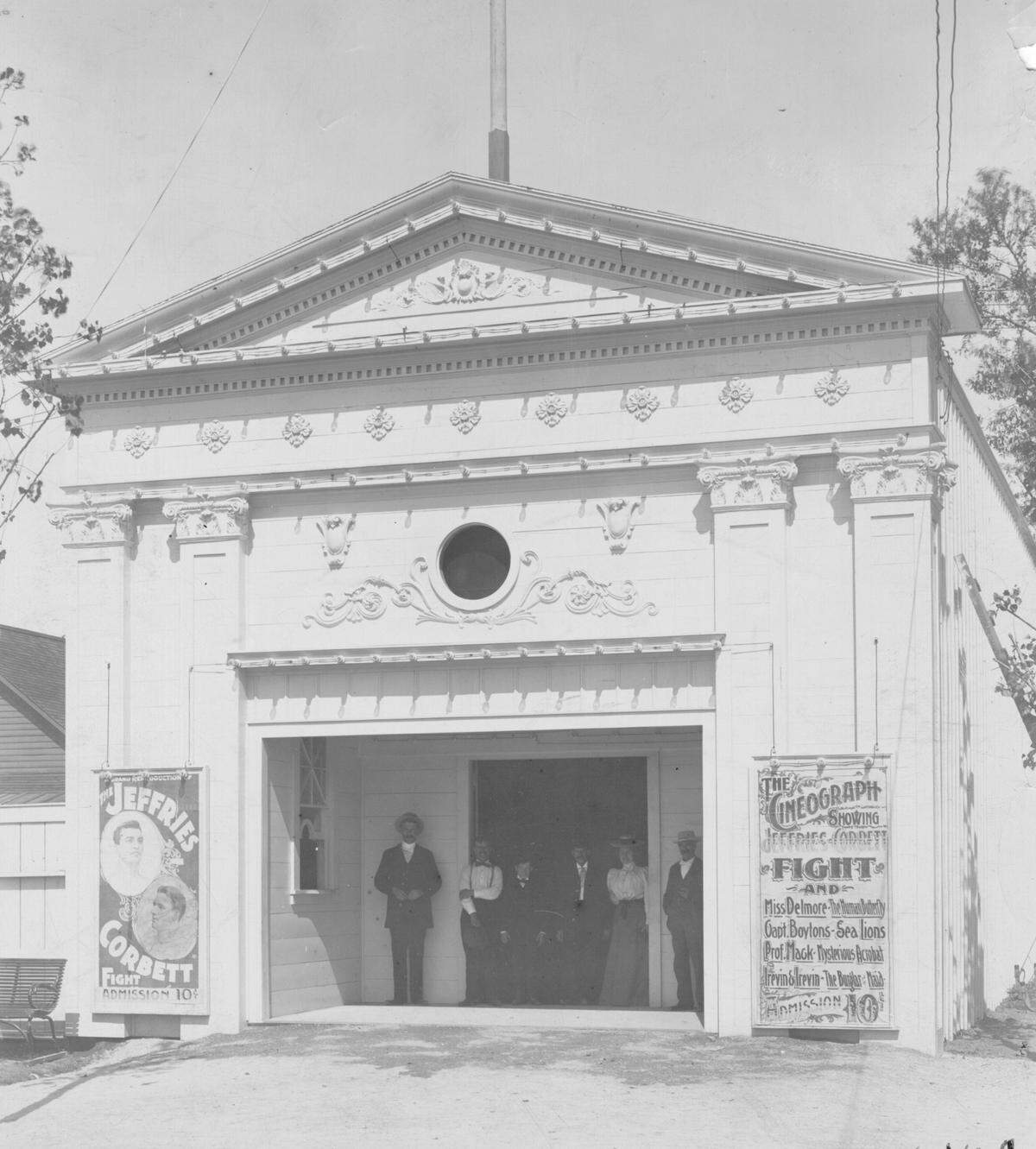
Following the Coates screening, other films were shown in the late 19th century at various venues, including downtown theaters, tent theaters, amusement parks, and even city parks. These makeshift screenings were often interspersed with live vaudeville acts.
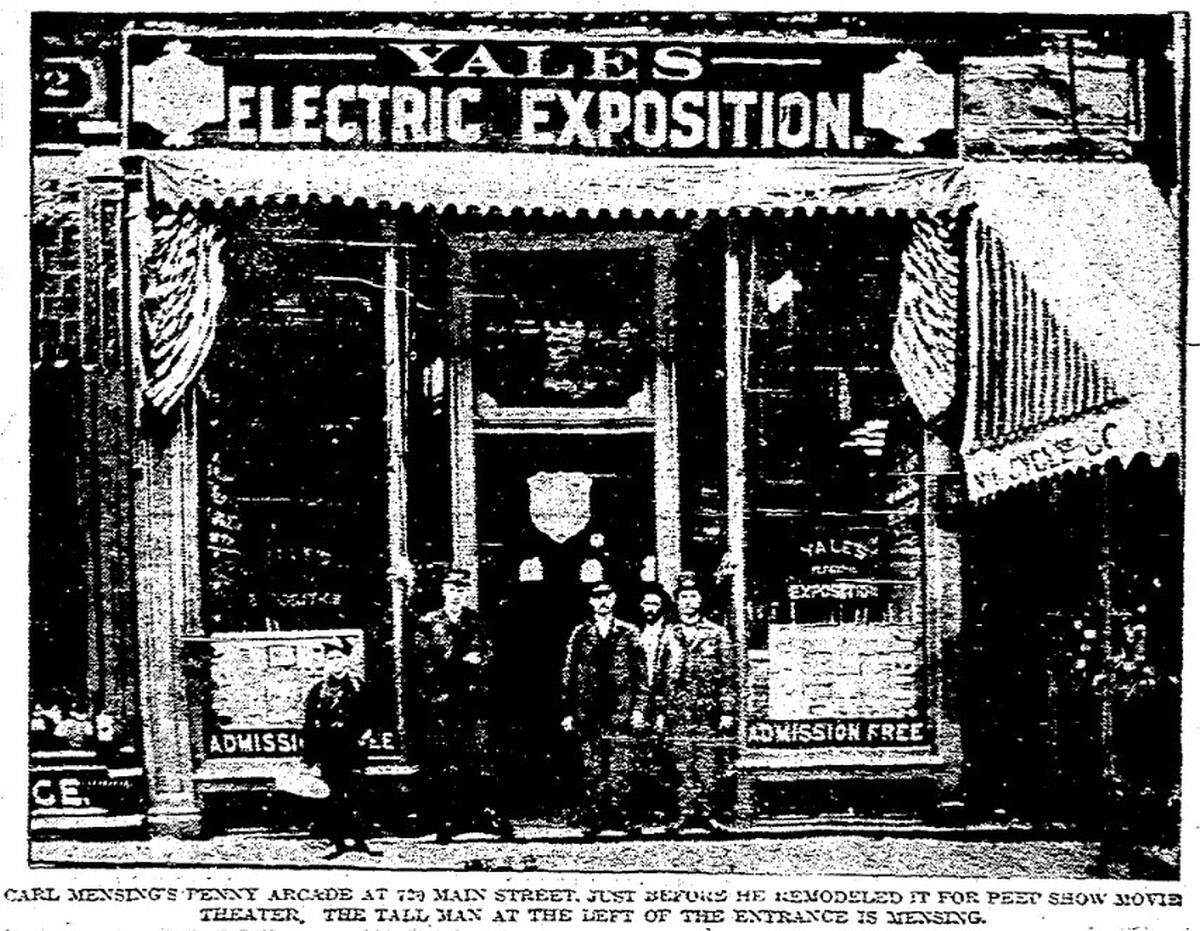
In 1898, Carl Mensing opened Yale’s Electric Exposition downtown at 720 Main, a penny arcade that featured coin-operated machines like lung testers, perfume sprayers, fortune tellers, and mutoscopes.
In 1902 or 1903, Mensing transformed the second floor of his penny arcade into a movie theater. Renamed the Arcade Theater, it was the city’s first venue to show motion pictures regularly—perhaps its first legitimate movie theater. To create the “peepshow,” Mensing partitioned the room, hung a rudimentary screen against the back wall, and cut a dozen peepholes in the partition so customers could stand and view moving pictures cast by a dim lantern.
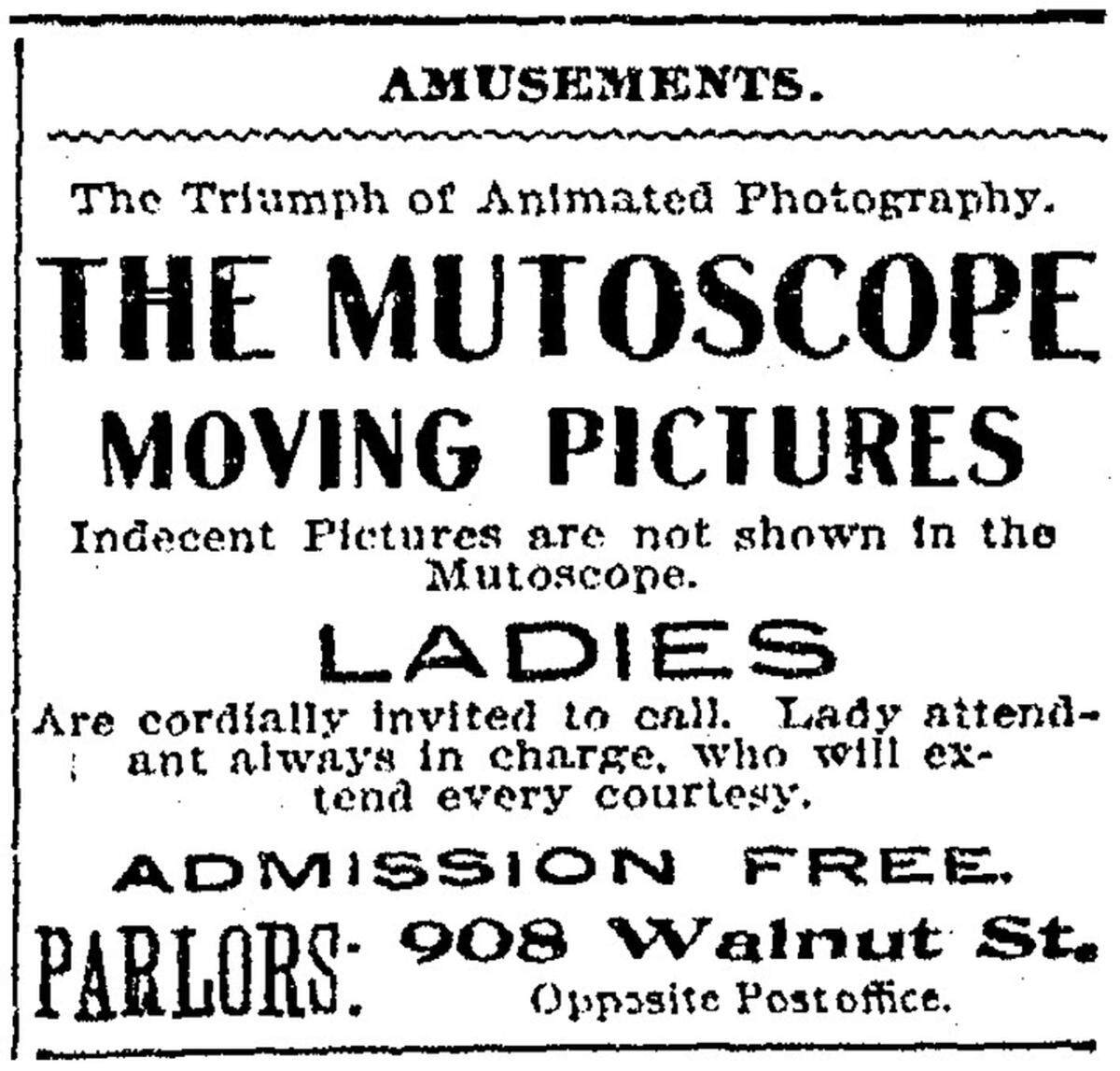
Other penny arcades and mutoscope parlors followed Mensing’s model, often making improvements. Walter Terry, one of Mensing’s competitors, removed peepshow paraphernalia, hung a higher quality screen, and added folding chairs at his Unique Theaterette so that audiences could sit during screenings. Charging a 5-cent admission, these early theaters were dubbed “nickelodeons.”
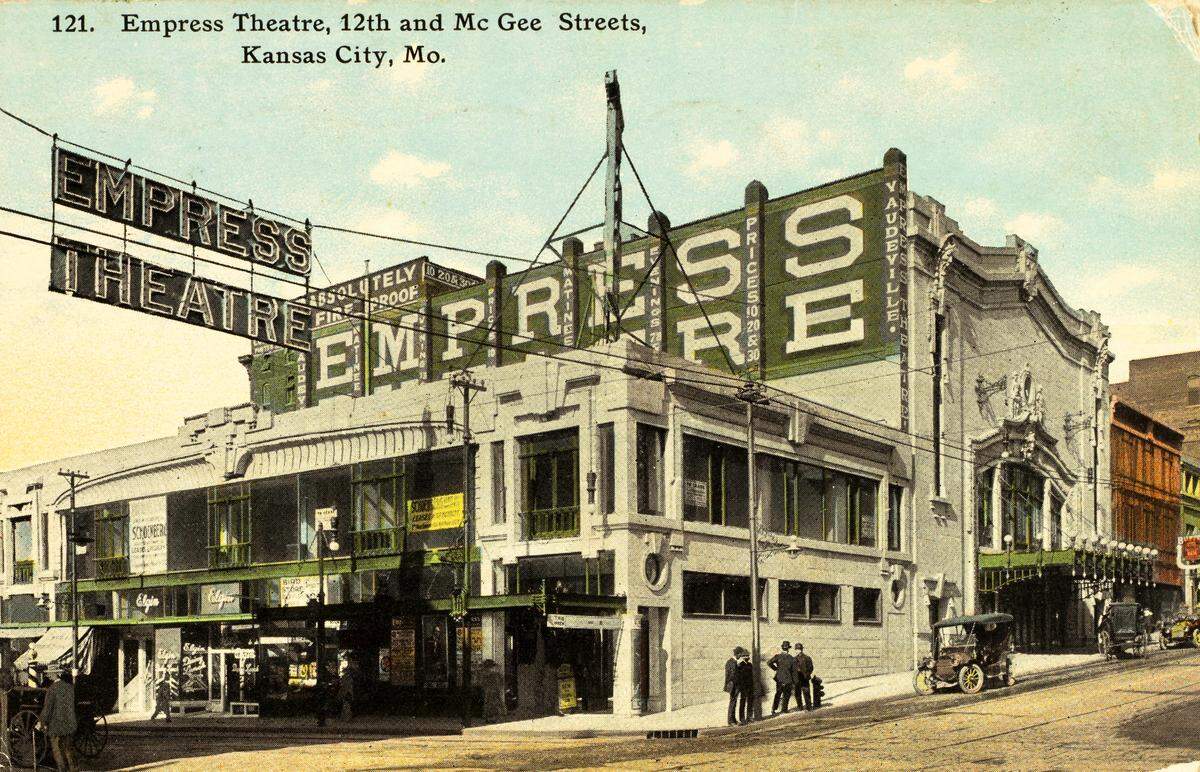
These inexpensive amusements made movies accessible to broad audiences, especially working class and immigrant communities. As movies gained widespread popularity, downtown theaters like the Empress transitioned from vaudeville to film. In 1914, Frank Newman opened the Royal Theatre which was a forerunner to movie palaces in the city, a significant departure from nickelodeons.
These early downtown theaters and the neighborhood theaters that followed defined the city’s movie theater landscape by offering amenities and glamour at affordable prices.
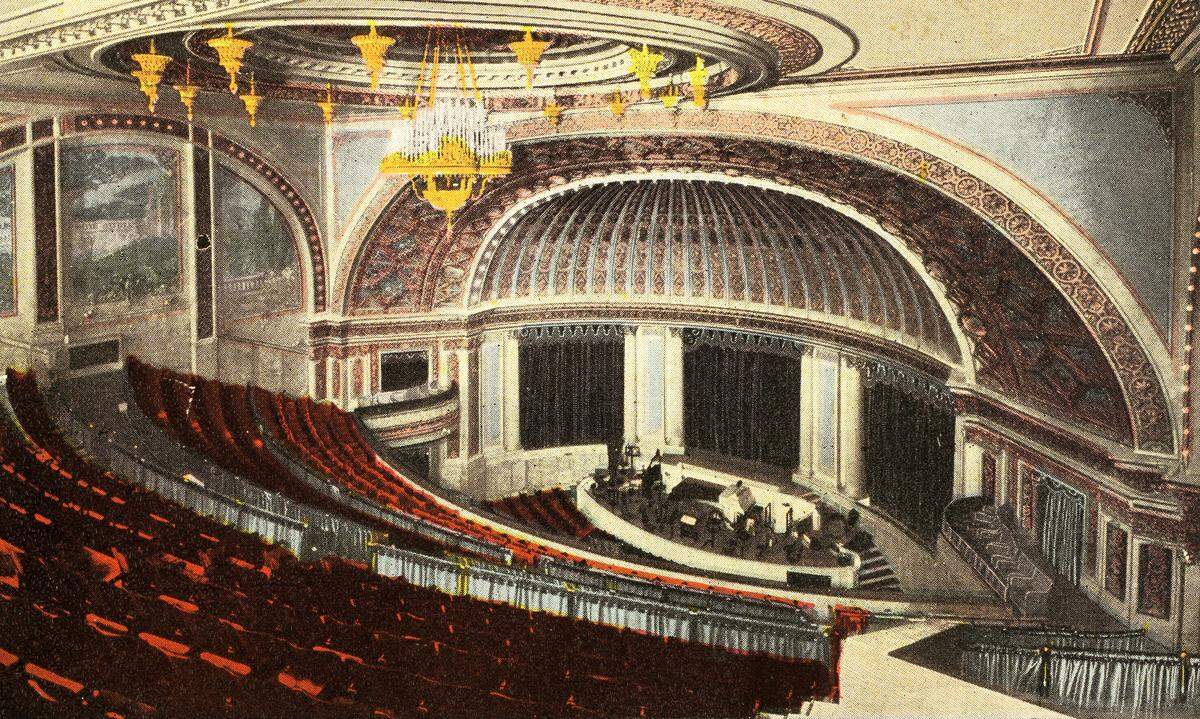
THE RISE OF NEIGHBORHOOD THEATERS
As the city’s population migrated south, single-screen theaters were built in residential neighborhoods in the 1910s and 1920s. Neighborhood theaters became the primary entertainment experience for Kansas Citians.
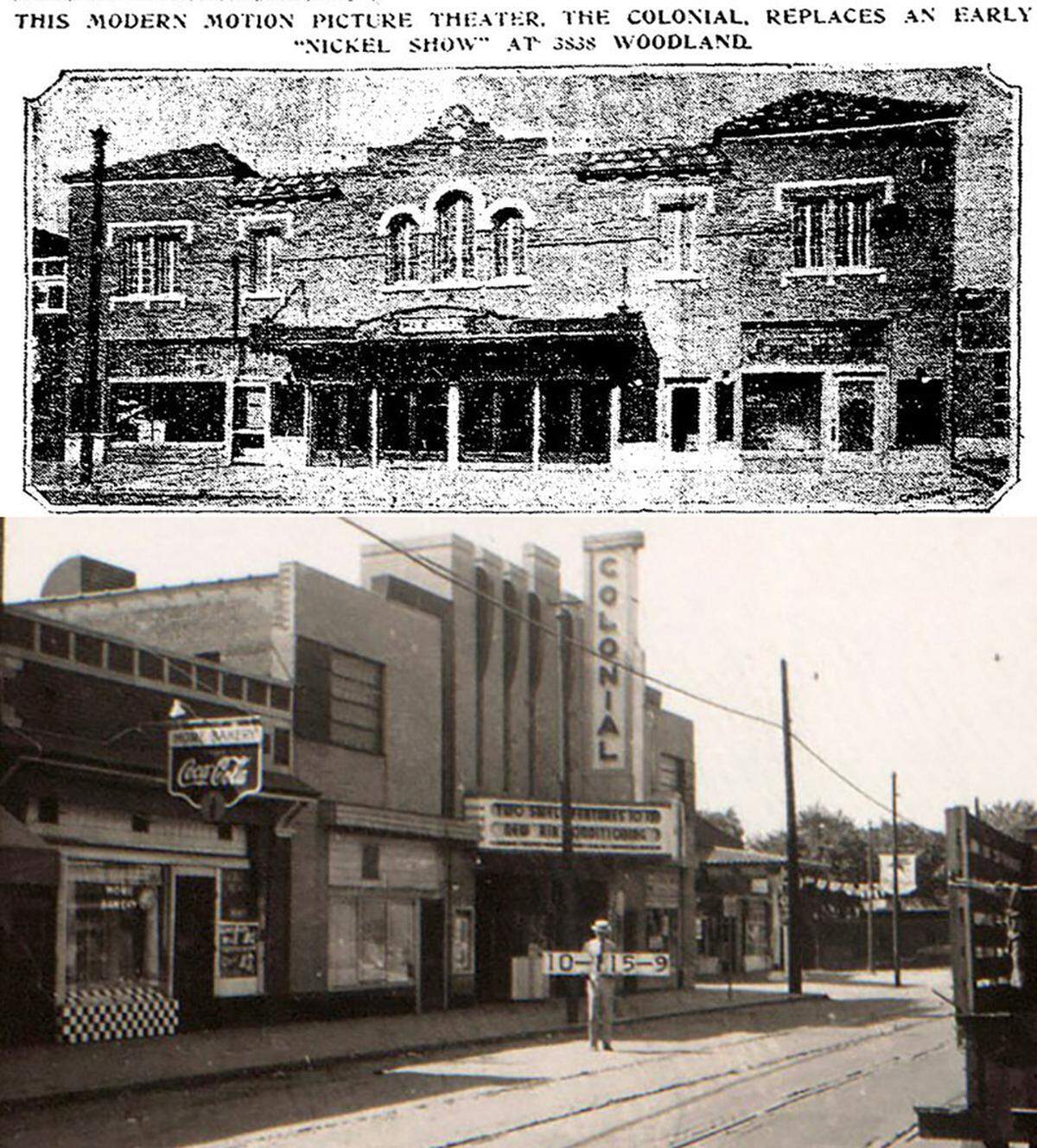
Neighborhood theaters, also called “walk-up” theaters because they were close to residents’ homes, offered cheaper, second-run screenings while downtown theaters charged higher prices for first-run films. Neighborhood theaters made attending movies a weekly or even daily ritual for audiences.
Movie theaters also served as larger community spaces, hosting town hall meetings, political speakers, religious revivals, and even accommodated live opera, stage plays, and vaudeville performances.
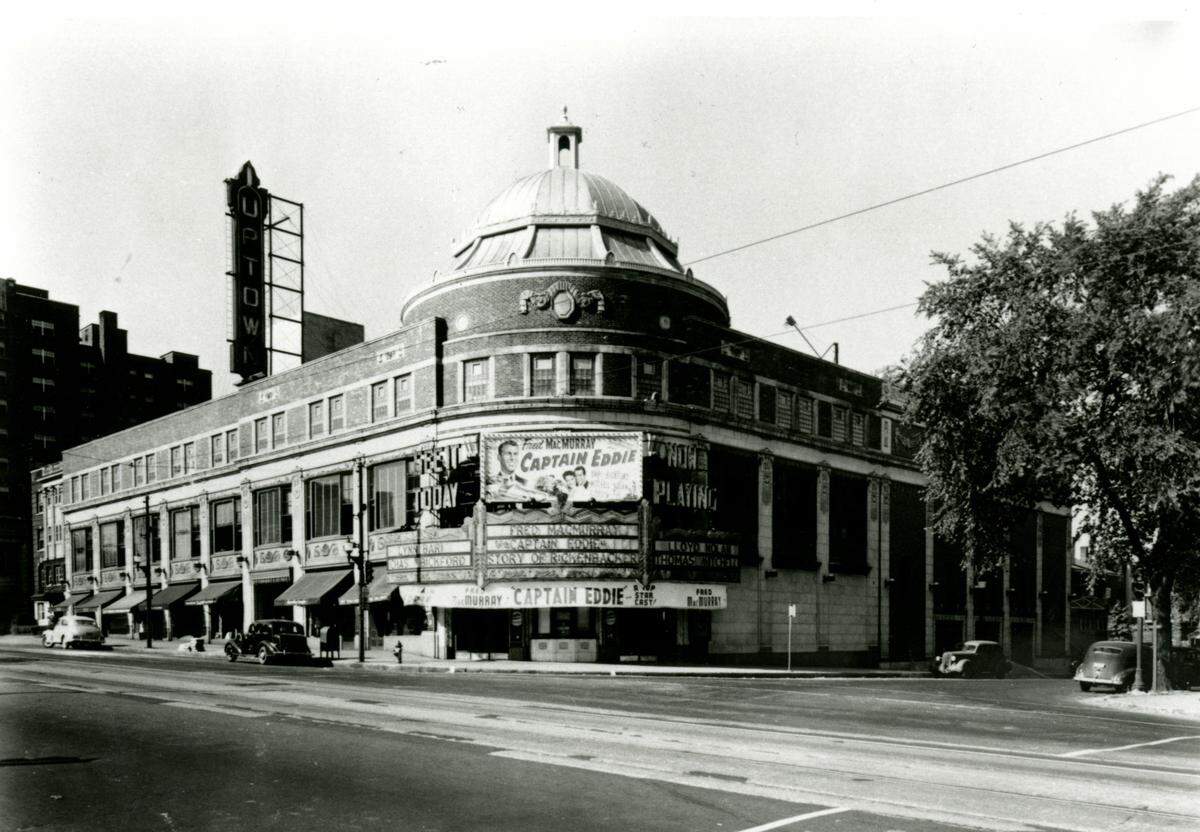
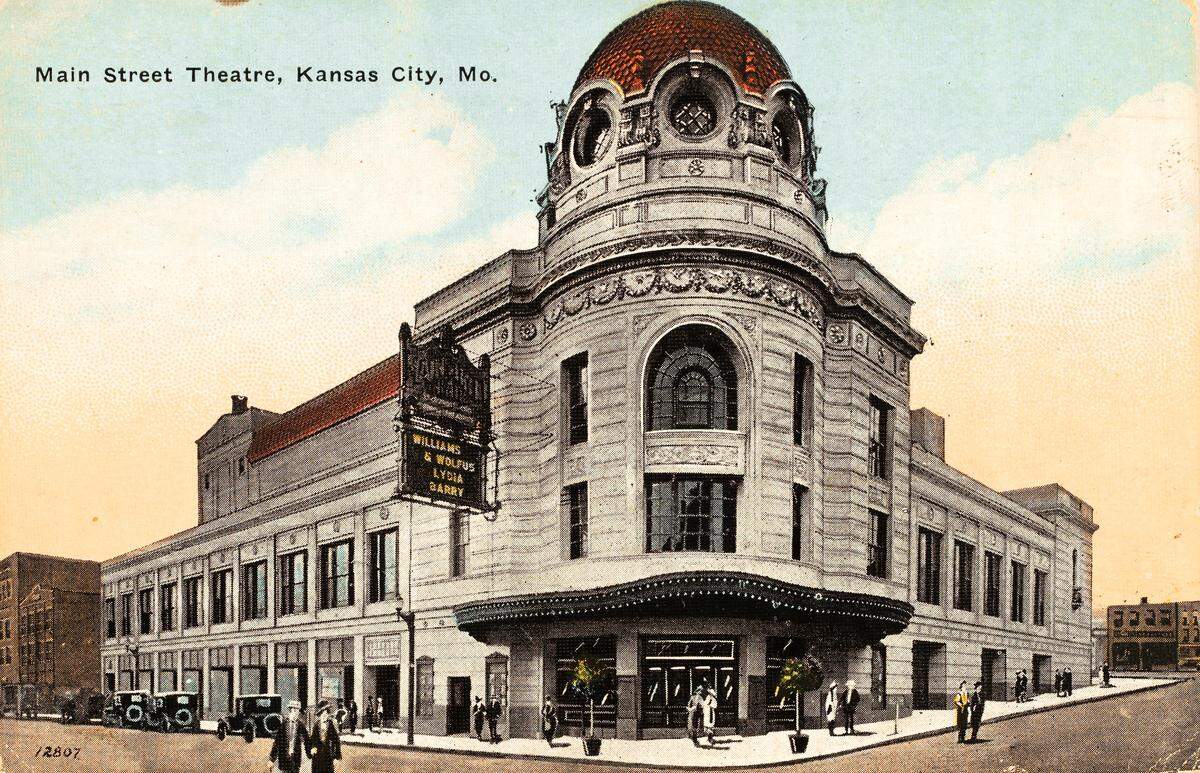
Architects like the Boller Brothers designed opulent theaters that reflected trendy Spanish and Streamline Modern styles, complete with velvet curtains, marble staircases, and starry-skied ceilings. Audiences felt transported in these enchanting spaces offering them fantasy worlds they could not find at home.
THE DECLINE
From the late 1920s to the early 1950s, Kansas City’s neighborhood theaters faced challenges.
New media like radio and television provided cheaper home entertainment options. In 1927, “talkies” transformed the movie experience, but many theaters were unable to afford the new and expensive sound equipment needed. The Great Depression and the rise of drive-ins also accelerated the decline of traditional theaters.
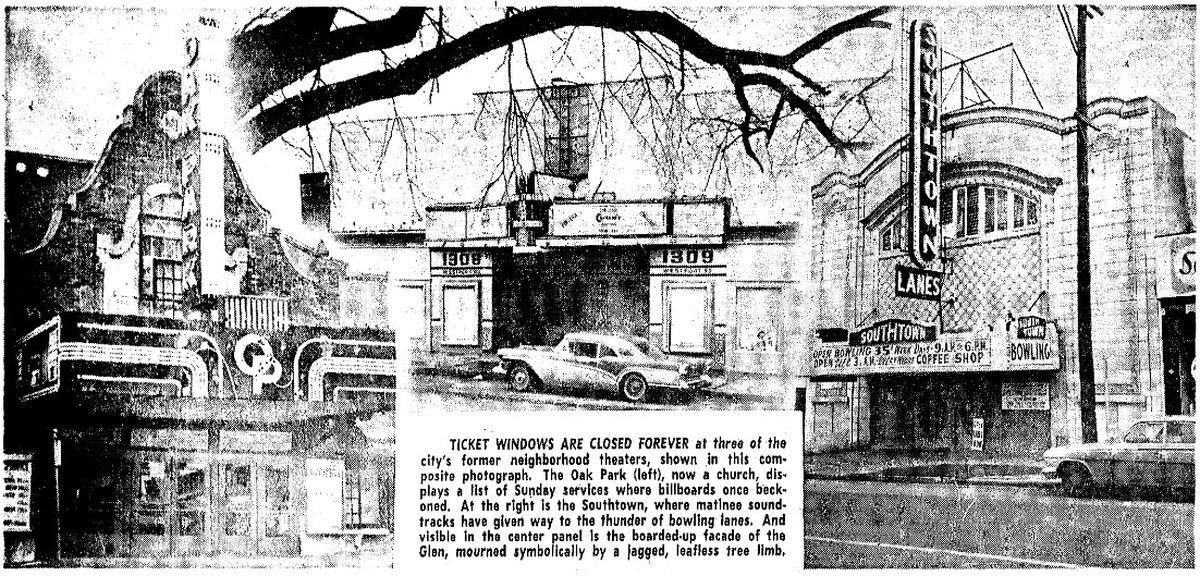
By the 1960s, the appeal of neighborhood theaters had dwindled.
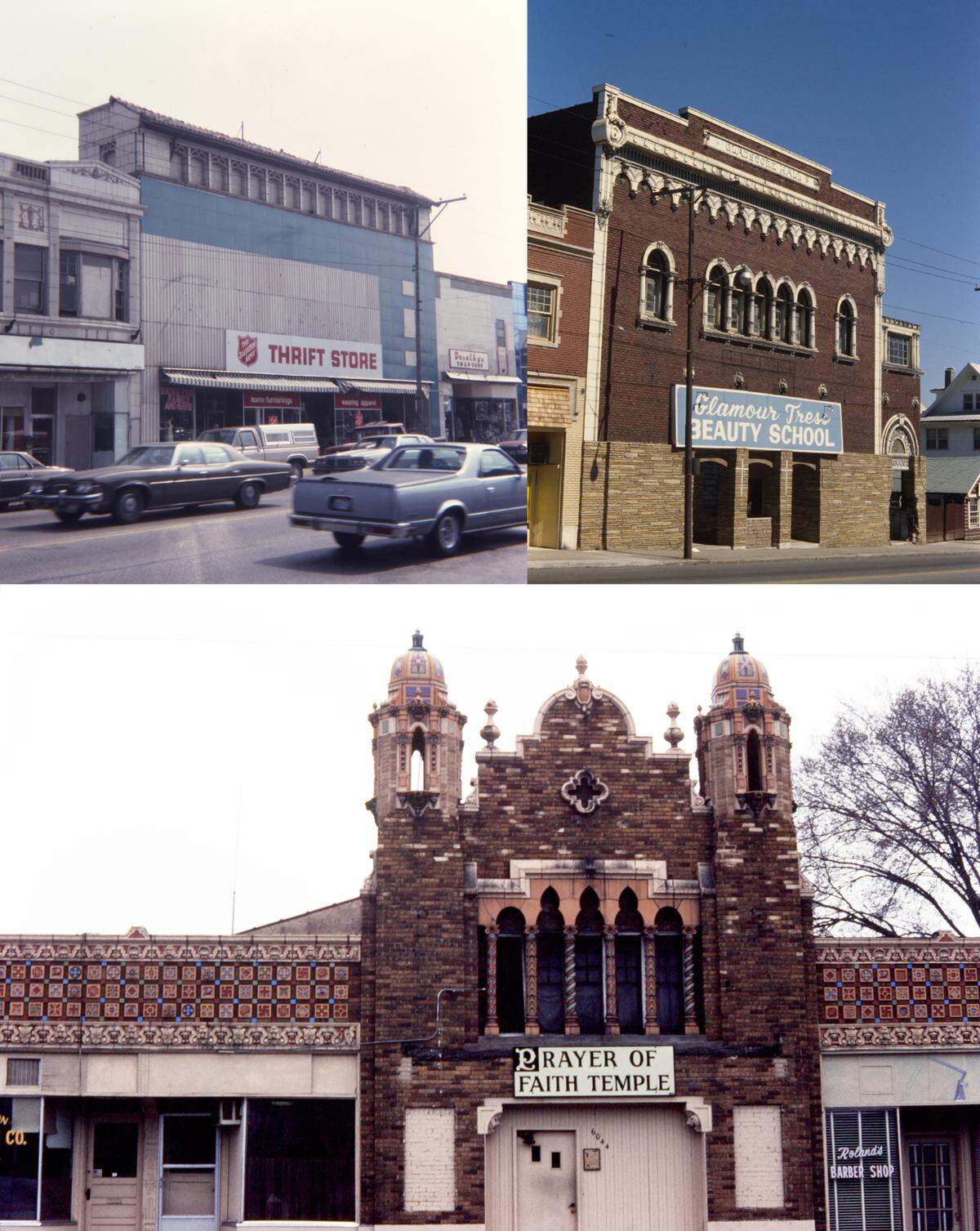
Most of the historic neighborhood theater buildings were either demolished or destroyed by fire, often replaced by parking lots or highways. While mostly invisible to Kansas Citians today, the remaining theater buildings have been repurposed into restaurants, retail spaces, religious halls, offices, and warehouses. These closures reflected both a shift in entertainment preferences and the societal challenges that led to the demise of movie palaces and neighborhood theaters.
MODERN ADVANCEMENTS
Despite the decline of neighborhood theaters, Kansas City was home to another major innovation.
In 1962, Stanley Durwood, head of the Durwood Theaters Company (later AMC Theaters), invented the first multiplex theater at Ward Parkway Shopping Center. In contrast to single-screen theaters, this new concept revolutionized the movie theater experience as one location could screen multiple movies simultaneously. Multiplexes have since become the dominant theater model worldwide.
Today, only nine original Kansas City theaters from the early 20th century are still in operation, though primarily as live performance and event venues. Along with a few remaining neighborhood theater buildings, these pre-1950 theaters stand as testament to preserving Kansas City’s cultural and physical heritage.
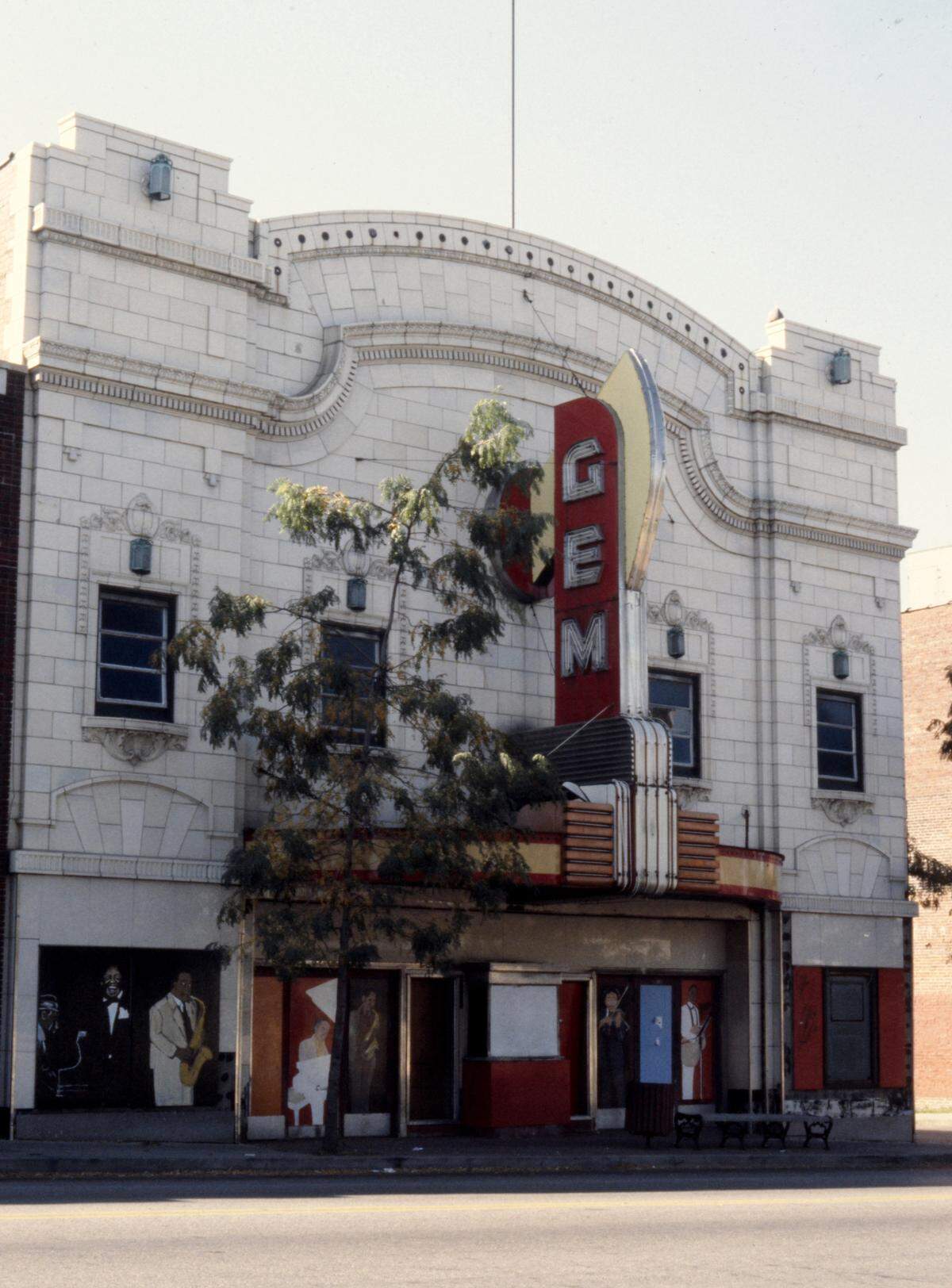
Although much has changed, Kansas City’s love of movies endures. Film organizations throughout the city’s history have produced, distributed, marketed, and shown films in theaters built, owned, and operated by those carrying on Kansas City’s long movie tradition.
This story was originally published February 28, 2025 at 5:00 AM.