
How to keep your water pipes from freezing during upcoming cold weather in Kansas City
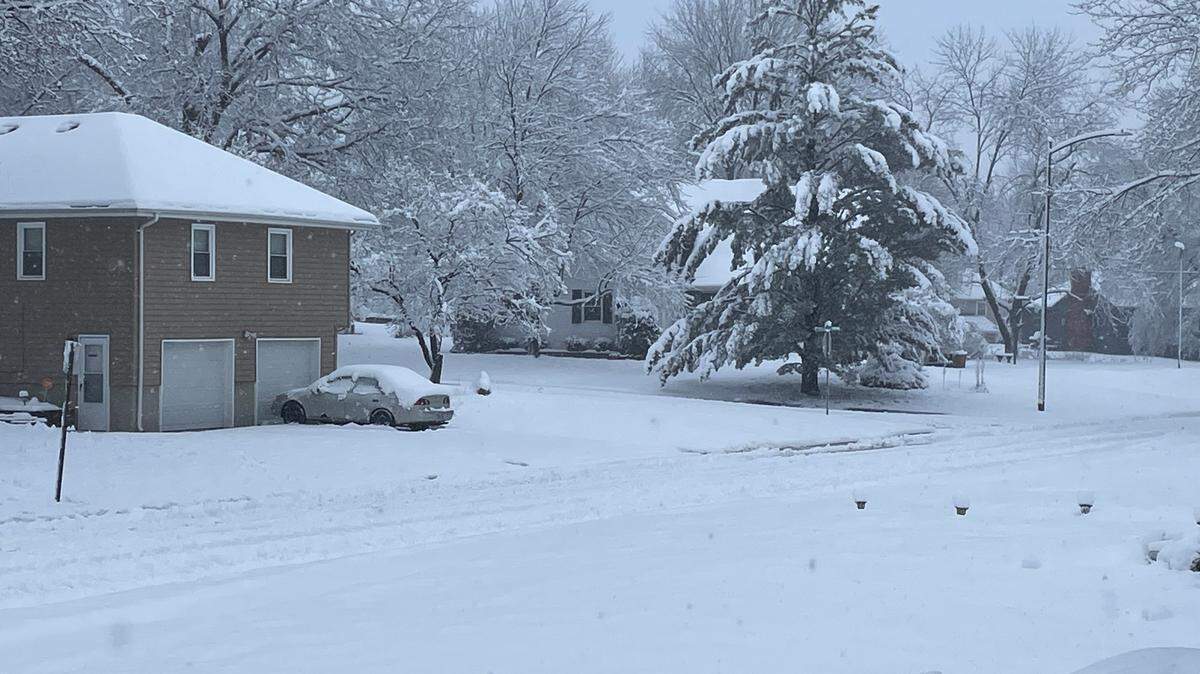
While snow will stop falling soon in Kansas City, the next week is projected to bring extremely cold weather to the metro.
Temperatures are expected to drop as low as -10°F on Sunday and Monday, with windchill bringing the heat index — or “feels like” temperature — as low as -26°F on Martin Luther King Jr. Day.
One of the most important ways to protect your home during this cold weather is to ensure your pipes don’t freeze. Expanding ice can cause even sturdy metal water pipes to crack and burst, potentially flooding your home and cutting off your water supply.
Luckily, there are a few simple steps homeowners and renters alike can take to keep water flowing during extremely cold winter weather. Here are some tips recommended by the Board of Public Utilities in Kansas City, Kansas.
Keep your water pipes warm: Pipes are at the greatest risk of freezing where they run through unheated areas like the garage, an unfinished basement, secluded cabinets or crawl spaces. You can keep these pipes warm by insulating them with foam or foil coverings available at many hardware stores.
It’s also important to protect your pipes from the elements whenever possible. If they run through an interior area of your home, make sure warm air can reach them by opening your cabinet or crawl space doors. If the pipes are in an unheated area of your home, seal them off from frigid outdoor temperatures by closing your garage and basement doors and covering any gaps that let cold air seep in.
Leave water running: During extended periods of below-freezing temperatures, the BPU recommends leaving the highest faucet in your home running in order to keep water moving through the pipes. This doesn’t have to be a steady stream — a trickle or even a drip can help prevent your pipes from freezing.
If you’re worried about wasting water, you can collect these drips in a watering can for your houseplants, a cooking pot for your next meal or another container to use later. This water could also come in handy to drink, wash dishes or flush the toilet if your pipes do freeze.
Be prepared for a freeze: Even if you follow these steps, there’s still a chance your pipes could freeze due to extremely cold temperatures. The best way to prepare for this is by knowing where your water main shutoff valve is: That’s the switch that controls all the water flowing into your home. If you live in an apartment building, this valve might impact your neighbors, too — so be sure to keep in contact with them during cold weather events.
In the event of a freeze, first shut off the water to your home. Then apply heat to your frozen pipe using a space heater, a hot water bottle, a hair dryer or another warming device. Never use an open flame or a gas burning heater in an enclosed space, and don’t leave your warming device unattended.
Once your pipes have thawed, slowly reopen your water valve and check for cracks or leaks. If you find none, check that your water is flowing again and continue the warming measures described above. If you do find a leak, turn your water main off so the problem doesn’t get worse and contact a professional for advice on repairs.
Do you have more questions about extreme weather in Kansas City? The Service Journalism team is here to help. Send us your questions at kcq@kcstar.com or fill out the form below.
.jpg)