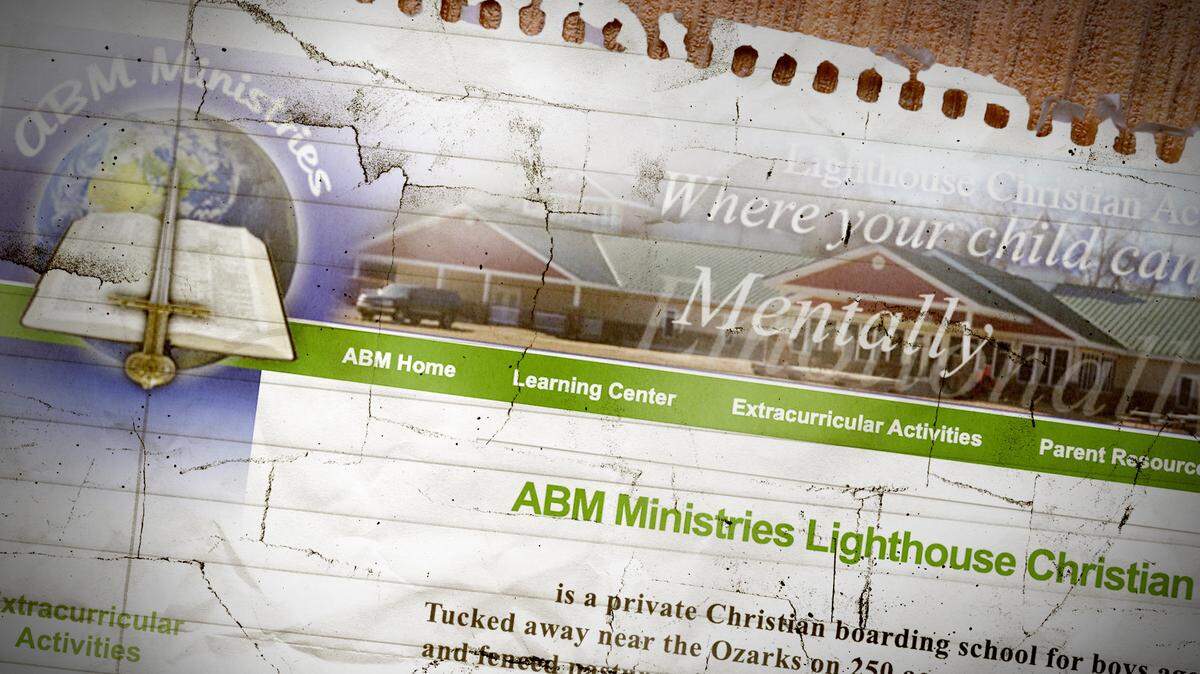
She willingly went to a Missouri boarding school. Then she prayed she would survive
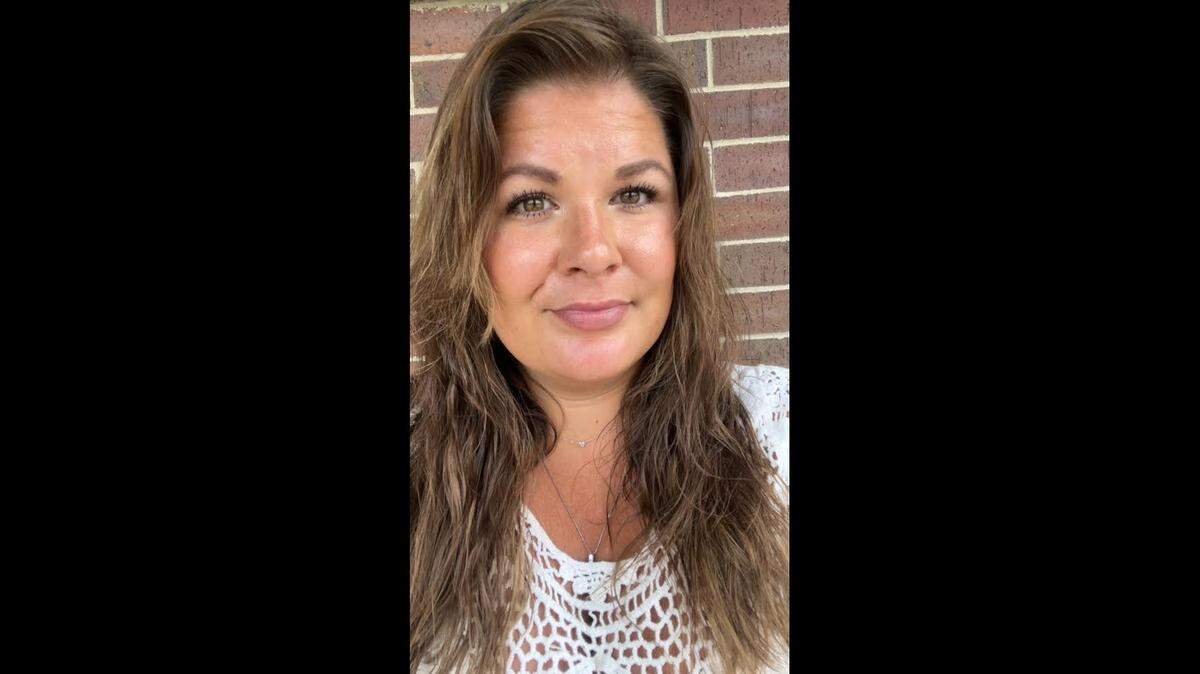
_fitted.jpeg "Andrea Serrano, 32, arrived at ABM Ministries’ Lighthouse Christian Academy in 2007 and left in 2009. “I remember having to just put up with the pain. You wouldn’t know your future and that’s what made it so hopeless.”")
READ MORE
ABM Ministries’ shutdown
Former students say they endured years of physical and emotional abuse at Lighthouse Christian Academy, an unlicensed Christian boarding school in Missouri. After its founders were arrested and charged in March, the school closed.
Expand All
In the quiet darkness of early morning, Andrea Serrano felt the most at peace.
She would lie there on her bunk, while other teen girls who were sent there by their parents were still asleep, and pray that the lights wouldn’t come on.
“I didn’t want the day to start,” Serrano, now 32, told The Star of what she said she experienced 17 years ago inside a now-closed unlicensed Missouri boarding school that is the latest to come under scrutiny.
“I wanted to stay there like that. It was my safe place,” she said.
In the dark, Serrano said, she didn’t have to face what was all around her inside Lighthouse Christian Academy, run by ABM Ministries. The physical abuse, being berated by staff, working outside in the extreme temperatures, or doing what Serrano calls “torture PE” where students were made to run and exercise for hours.
The longer the Florida teen lay on her bunk, though, the anxiety would wash over her as she knew the light switch would soon be flipped and another day in southeast Missouri would begin.
“I remember having to just put up with the pain,” Serrano said. “You wouldn’t know your future and that’s what made it so hopeless.
“Because when you’re 15 years old, and they tell you that they can keep you there until who knows when, you believe them.”
Serrano arrived at Lighthouse Christian Academy in February 2007 when the school was located in Patterson, Missouri. Unlike many of the students, she went there voluntarily.
“My mom and I were having a lot of disagreements,” said Serrano, whose father lived in Colombia, South America. “And I had told her that I was willing to go to a boarding school, I just wanted to do schoolwork and focus on graduating high school.”
Owners of ABM Ministries, Larry and Carmen Musgrave — who earlier this year closed the school after they were charged with kidnapping another former student — picked the mother and daughter up at the St. Louis airport and drove them to the campus. (The Musgraves have pleaded not guilty to the recent charges and their attorney did not respond to multiple calls for comment.)
Within minutes inside the school, after being told she had to keep her head down and couldn’t look people in the eye or talk to the other students, Serrano began to question her decision. And before long, she would turn to God, praying for the strength to endure each day.
“Just to survive,” she said.
‘They were using kids … abusing us’
When Serrano got to southeast Missouri, the Musgraves were building a new school on property tucked away in a wooded area near Piedmont. And students were taken there during the day to do work projects on the land.
Girls put in long hours clearing brush and moving rocks and were only given limited amounts of water to drink, Serrano said. The boys were building the school, everything but the foundation and wiring, she and other former students told The Star.
“They were using kids,” Serrano said. “Charging tuition, abusing us, denying us basic necessities, and using us to build their facility.”
On the third consecutive day of intense labor, the 15-year-old said she had enough.
“I told them I wasn’t going to work,” Serrano said. “I told them I needed to speak with my mom.”
What happened next, she said, would replay in her mind for years to come.
“Larry came in his pickup truck and I remember him telling me, ‘Oh, you’re not going to tell me what to do,’” Serrano recalled. “And I told him, ‘I’m not telling you what to do. I’m telling you what I’m not going to do and I’m not going to work for free.’
“He grabbed me by the shirt … He slammed me to the ground. He was grabbing me by the neck.”
Serrano said she told Larry Musgrave, “I’m gonna sue you. … You can’t do this.”
“And he started laughing,” she said. “He said, ‘I have your custody.’
“That just scared me because it was him laughing, telling me that he could get away with doing whatever he wanted with me.”
Back at the Patterson school, she said she was told she was on “black chip,” the harshest level on ABM’s discipline system. For the next 10 hours, she said they made her stand behind a dining room chair. For the next two or three days, she said, she wasn’t given any food.
Staffers also took the mattress from her bunk, as well as her pillow and blankets — typical black chip punishments. For more than a month, Serrano said she slept on plywood. She wore extra clothes to bed, hoping to give herself some protection from the cold.
Until she said Carmen Musgrave saw her getting into her bunk one night and noticed the layers. Serrano said she was ordered to change and then Carmen made sure each night that she slept in “really thin clothes to make me purposely be cold at night.”
The teen soon hatched a plan, trying to make herself sick so staff leaders would take her to the hospital where she could tell someone what was happening. First, she stopped going to the bathroom. Then she said she drank bleach.
But when she started to feel ill, she was too afraid to speak up. So she just dealt with the pain. At one point she considered taking her own life.
“I felt so alone. … There is no way of calling for help,” she said. “And they tell you to your face that your parents gave you away, that nobody’s coming to help you.”
‘They controlled everything’
Serrano learned to do what other students who came before and after her did. She worked to get on “Miss Carmen’s good side.”
And when she did, Carmen tapped her to help in the kitchen, doing dishes and helping with meals. From that viewpoint, Serrano said she saw firsthand how the Musgraves and other staff leaders used food as a weapon.
Students in good standing, meaning they were on white or blue chips, would eat first and get to sit down for their meal. They would often get dessert. When kids were in trouble, they would get a packet of plain oatmeal for breakfast. Maybe plain rice or bland mashed potatoes for dinner.
“She would sometimes tell me to make it really (temperature) hot on purpose,” Serrano said. “And she would joke around and laugh that they were burning their mouths.”
Students on red or black chips would have to eat standing up and were given smaller amounts of food and water, she said.
Using food to punish was just one of the harsh treatments Serrano said she and the other students had to endure. Classmates couldn’t talk to each other when staff members were around. They could only look staff in the eye and that was only when they were spoken to.
When girls needed to go to the bathroom, Serrano said, they needed to ask and then a whole group would have to go at that time. Bedrooms were equipped with sensors so if a student had to use the bathroom in the middle of the night, everyone would know.
“You would get in trouble because the alarms would go off and then Carmen would have to get up to turn them off,” Serrano said. “She would be really upset and then the next day she would give us torture PE because she would say we weren’t tired enough.”
And students couldn’t talk to their families whenever they wanted, she said. Their letters were read and torn up if staff didn’t approve of what they wrote.
After one year at ABM, Serrano was able to talk to her dad in Colombia. She was so homesick and sad that she cried.
“And they hung up the phone on me and told me afterward (that) I was in trouble,” Serrano said. “And they never let me speak to him again.”
A few months after that, her mom visited for the only time during her two years at the school.
Though Serrano and other former students say not everyone could leave ABM when they turned 18, she was able to because she was headed to a Christian college in Florida that the Musgraves recommended.
“I just finished all my work,” she said. “They gave me the cap and gown and took a picture and I took off. That was it.”
Only it wasn’t. Life after ABM was harder than Serrano anticipated. She couldn’t look people in the eye. She kept her head down when she walked. Being “free” felt foreign to her.
“Just going to the bathroom, opening the refrigerator, or talking to people was like a culture shock,” she said. “Because we were in the middle of nowhere with no idea what was going on out in society, in the news, or with our own families. They controlled everything.
“We were forced to just live in our heads the whole time we were there.”
Through the years, she’s adapted and accomplished many goals she set for herself. Serrano earned her Bachelor’s Degree in studio art last December and has been a licensed tattoo artist for the past six years.
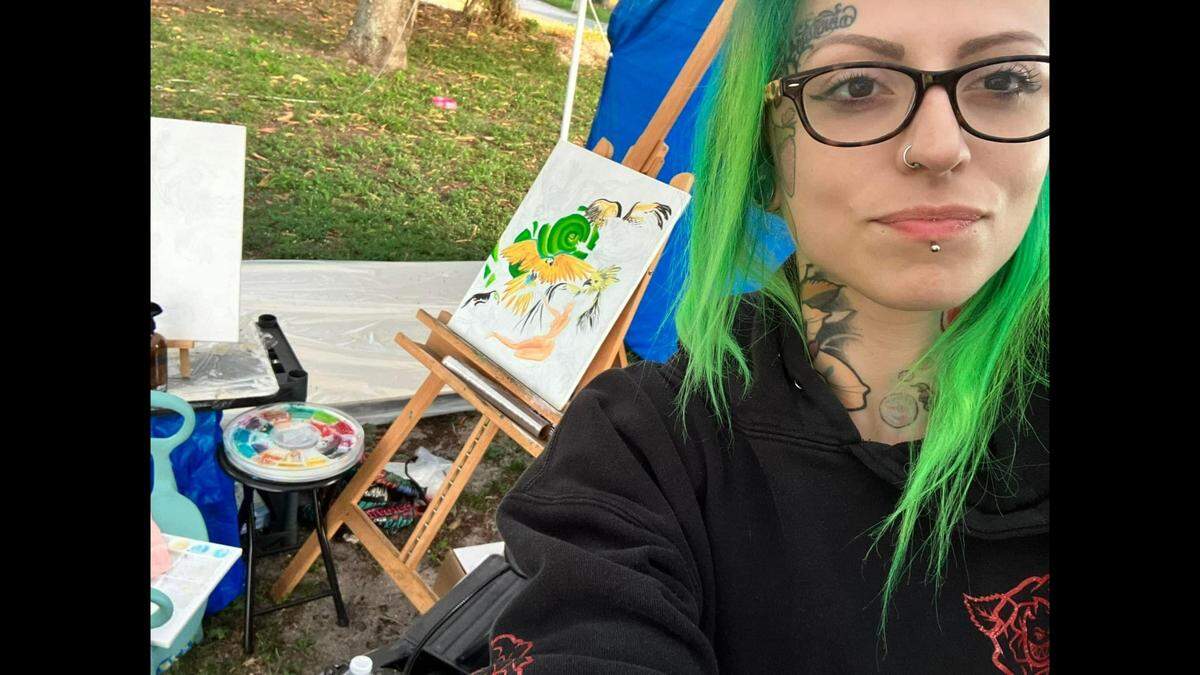
She’s raising her son on her own and makes sure she tells him several times a day that she loves him. He’s 12, the age of many of the boys who were sent to ABM. And he knows about her childhood, that it was taken away from her when she was just a little older than him.
“I’ve told him that no matter what happens, I would never let that happen,” Serrano said. “That I would always be with him. And whatever happens, we will figure it out together.”

Though life is good now, it doesn’t take much — just talking about those two years can do it — to make her feel like the girl who laid on her bunk each morning praying the lights would never come on.
“When we were there, the whole time we were told that our parents left us there and that we deserved it, that we were bad kids, and that nobody wanted us,” she said. “And I think that feeling still lingers with me. Just feeling like I’m not wanted, not good enough.”
This story was originally published June 2, 2024 at 6:00 AM.