Keystone Pipeline owner agrees to pay over $26M after 2022 Kansas oil spill
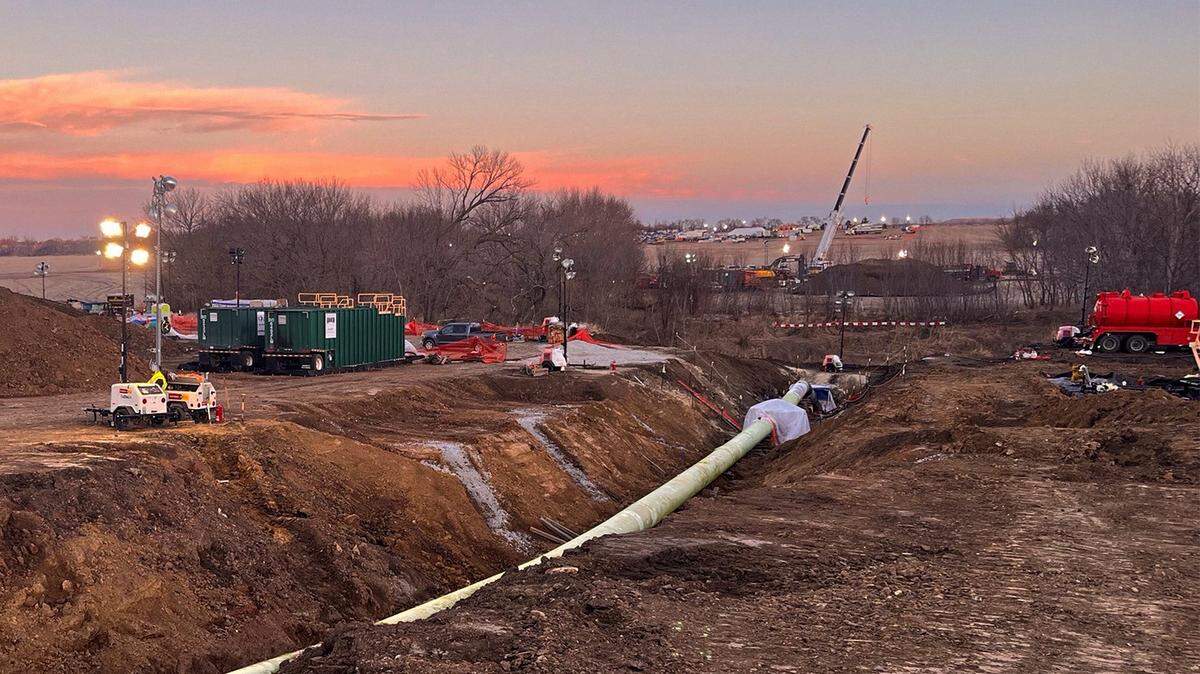
The owner and operator of the Keystone Pipeline has agreed to pay over $26 million for violating the Clean Water Act after the pipeline’s rupture in Washington, Kansas.
On behalf of the state and the Environmental Protection Agency, the U.S. Department of Justice filed a proposed settlement with South Bow LP and South Bow Infrastructure Operations Inc., according to a news release from the Office of Public Affairs.
As part of the proposed settlement, the infrastructure company has “agreed to pay a civil penalty of $26,867,789 and complete work designed to prevent similar discharges, which South Bow estimates will cost approximately $40 million,” the news release said.
South Bow also agreed to pay the state of Kansas $3 million to put toward natural resource restoration projects to resolve violations of Kansas state laws.
The Keystone Pipeline ruptured near Washington, Kansas, on Dec. 7, 2022. Nearly 13,000 barrels of crude oil were dumped into nearby Mill Creek, prompting a 24/7 cleanup restoration lasting a little over a month.
The EPA declared the larger cleanup was complete on Oct. 31, 2023. More than 650,000 gallons of oil were recovered during the cleanup effort.
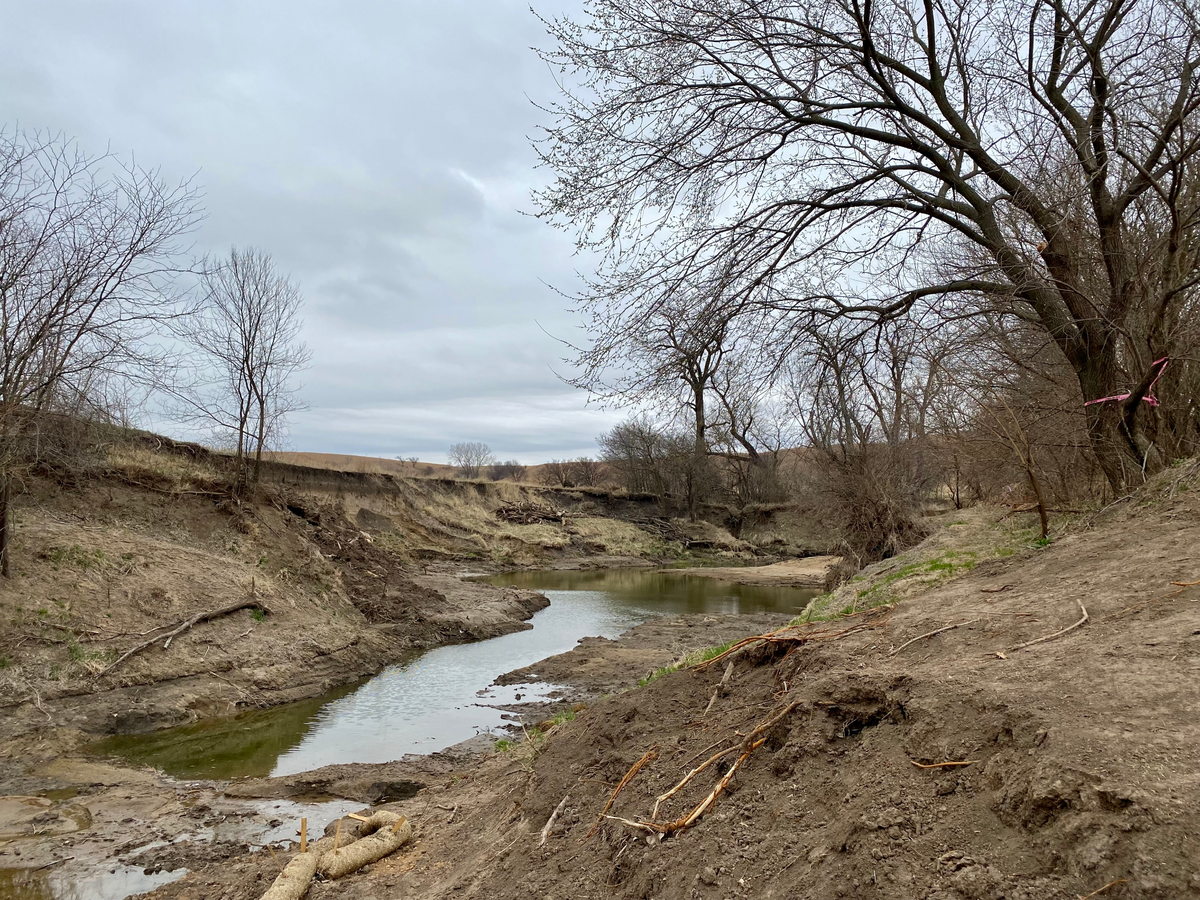
The oil spill was the largest in the Keystone Pipeline’s history. The pipeline’s operator, TC Energy, said structural issues caused by stress on the pipe and “a weld flaw,” were to blame for the spill.
A third-party report from the Pipeline and Hazardous Materials Safety Administration claimed the pipeline had been under stress for 12 years prior to the oil spill.
Previous reporting by Natalie Wallington and Katie Moore contributed reporting.
This story was originally published July 11, 2026 at 8:57 AM.