Over 650,000 gallons of oil recovered while cleaning up Kansas Keystone Pipeline spill
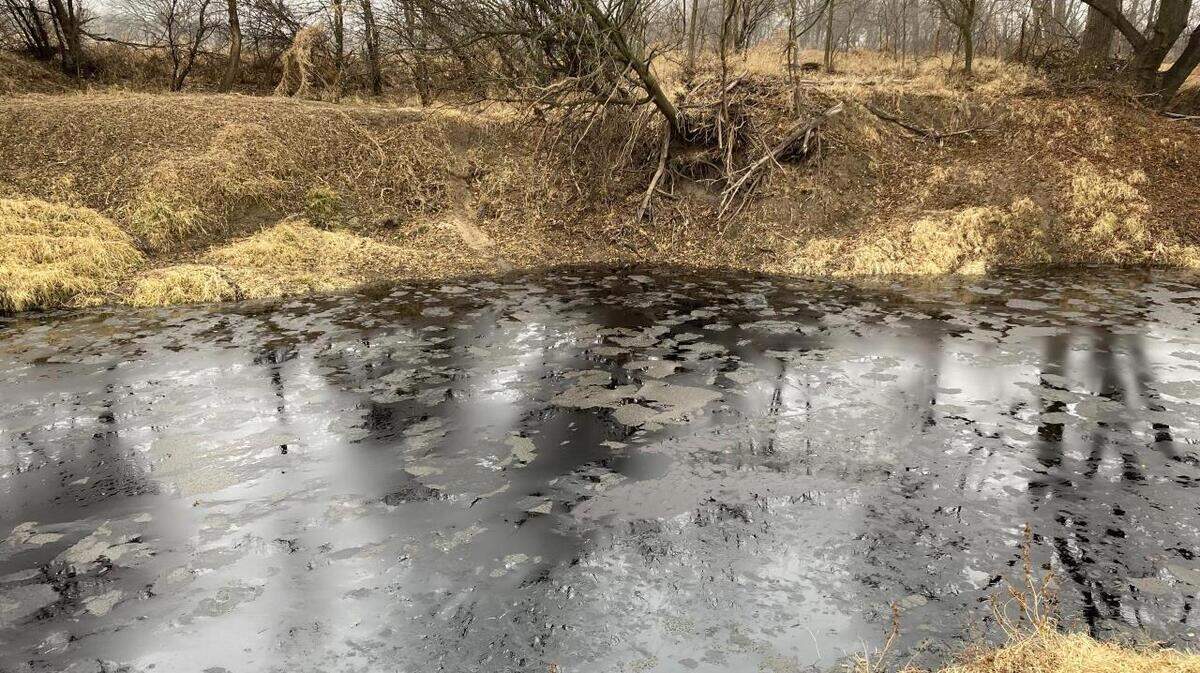
More than 650,000 gallons of oil were recovered during a cleanup effort in Kansas that the U.S. Environmental Protection Agency declared complete on Tuesday.
The Keystone Pipeline rupture detected on Dec. 7, 2022, near Washington, about 175 miles northwest of Kansas City, dumped nearly 13,000 barrels of crude oil into Mill Creek. The massive spill prompted a nearly 24/7 oil recovery phase which ended Jan. 29.
Crews continued working on areas with submerged oil until May when efforts turned to stream restoration.
The cleanup required treating more than 54 million gallons of contaminated surface water, which was discharged back into Mill Creek. About 200,000 tons of soil, sediment and other debris were excavated and removed, the EPA said in a news release.
During a visual inspection on Oct. 13, officials said the creek was flowing naturally after a diversion system and berms were removed.
The federal agency said staff spent more than 6,000 hours on the cleanup.
The Kansas Department of Health and Environment and the U.S. Army Corps of Engineers will continue to monitor the creek for the next five years or until they determine monitoring is no longer needed.
A report released in May by the Pipeline and Hazardous Materials Safety Administration said the rupture was caused by a combination of faulty welding and extreme pressure causing the pipeline, owned by TC Energy, to deform.
It was the largest spill in the Keystone pipeline’s history and larger than all its previous 22 spills combined.
This story was originally published October 31, 2023 at 1:16 PM.