Why Kansas seniors on Social Security could have more money in their pockets in 2025
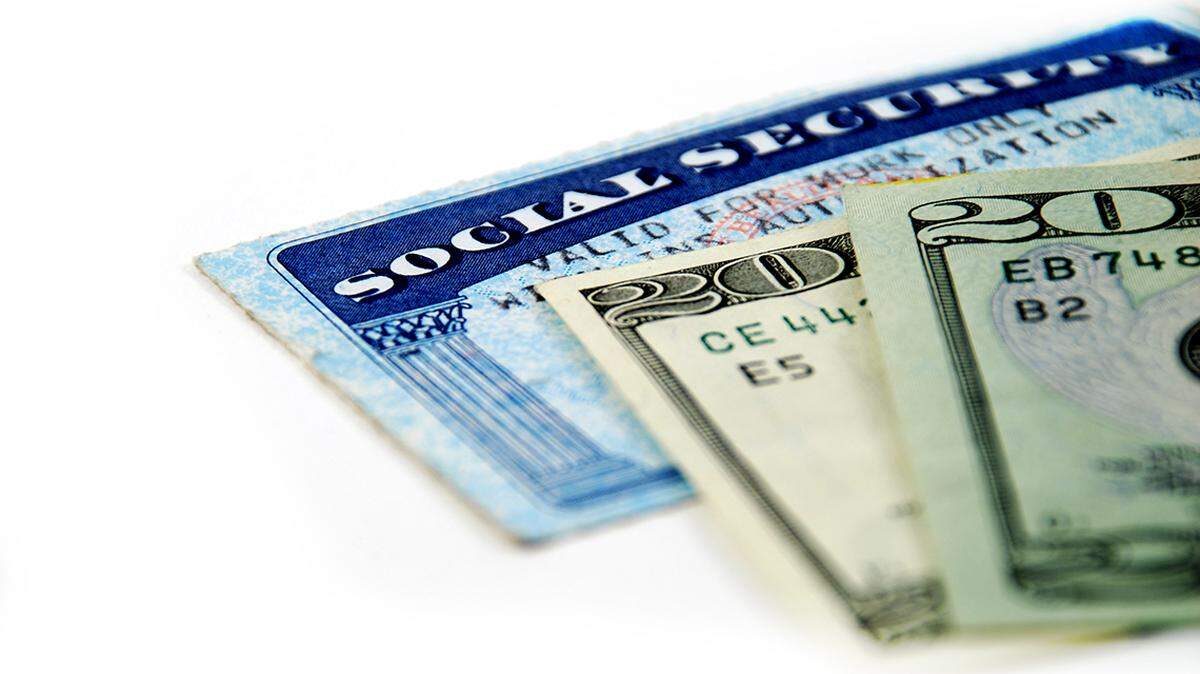
A tax cut package adopted by the Kansas Legislature in June means Kansans will no longer be taxed on their Social Security benefits, starting with 2024 income.
Before making the change, Kansas was one of only 10 states that taxed on Social Security payments. Now, Kansas is the latest to join the 40 other states who do not make senior citizens pay income taxes on their benefits.
Previously, senior citizens who had an adjusted gross income of $75,000 or more had to pay full Kansas State Income taxes on their Social Security benefits. This means that a Social Security recipient who made $80,000 and took the standard deduction for a single filer on their 2023 income would have been taxed at 5.7%, or up to $3,700 a year.
Overall, the new change will save Kansas seniors more than $100 million in state income taxes, according to the Kansas Reflector.
The tax cut package also changed the income tax rates to 5.2% and 5.58% and raised the personal income tax exemption from $2,250 to $9,160. The new cuts are expected to save Kansans $1.2 billion from 2024 to 2027 and lose the state about $2 billion in tax income over the next 5 years.
What states still tax Social Security?
The nine states that still tax people on their Social Security benefits are:
- Colorado
- Connecticut
- Minnesota
- Montana
- New Mexico
- Rhode Island
- Utah
- Vermont
- West Virginia
West Virginia will soon join the trend of not taxing people on their Social Security benefits. A law passed in March will phase out the tax over the next three years, leading to no taxes by 2026.
People can enroll in Social Security benefits online on the Social Security Administration’s website. Eligibility is based on age, retirement status, ability to work and pay for essentials and more. The SSA has a tool on its website to see if you could be eligible.
This story was originally published November 14, 2024 at 12:44 PM with the headline "Why Kansas seniors on Social Security could have more money in their pockets in 2025."