Did Marion newspaper break the law by checking record on state website? What we know
READ MORE
Kansas newspaper controversy
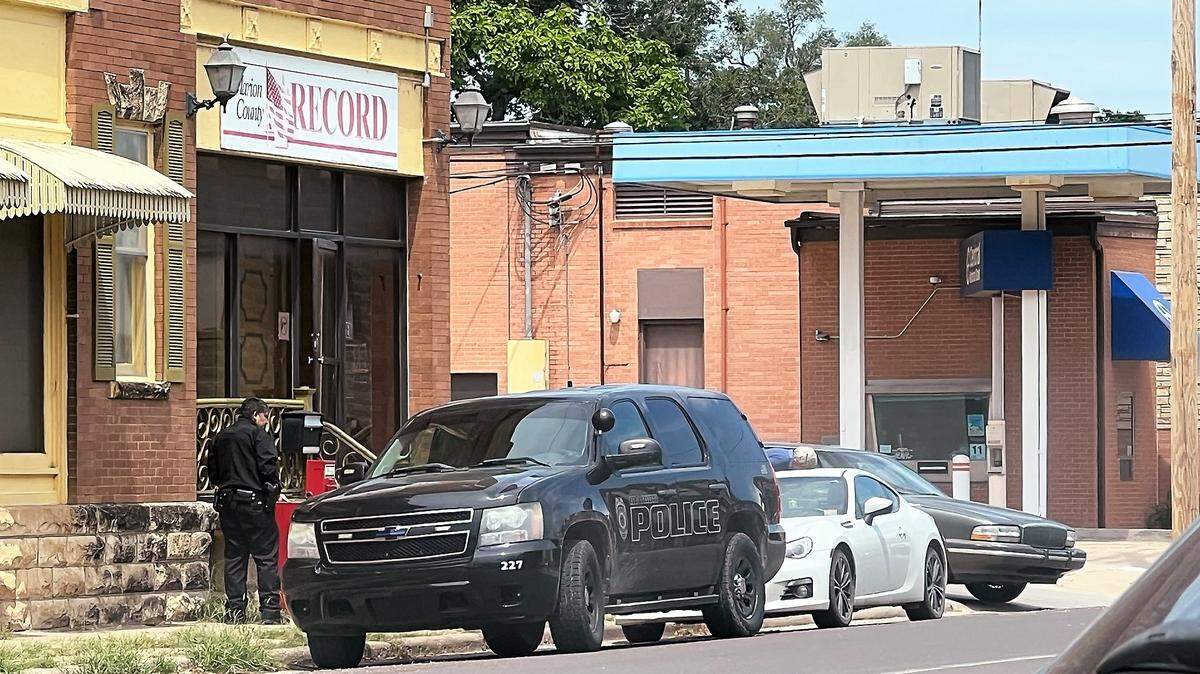
A police raid Friday on a local newspaper in Marion, Kansas, sparked First Amendment concerns across the country.
Expand All
When police in the small town of Marion, Kansas, raided their local newspaper’s offices last Friday, they brought a search warrant authorizing them to seize 15 types of materials, from documents to electronics.
The warrant, signed by local Magistrate Judge Laura Viar, authorized the search on suspicion of “identity theft” and “unlawful acts concerning computers.”
Since then, the Kansas Bureau of Investigation has taken over the investigation from local police and Marion County Attorney Joel Ensey has withdrawn the warrant due to “lack of evidence” and had the materials returned to the newspaper.
But at the time of the raid, the warrant ordered police to seize documents related to local restaurant owner Kari Newell, as well as any devices used to access the Kansas Department of Revenue’s website.
Eric Meyer, the newspaper’s publisher, says his reporter used this website to check that state records matched a document sent to the newsroom about Newell’s past DUI arrest.
Could using a state website to review public records count as “identity theft?” The Star contacted the Record, the state’s Department of Revenue and a local attorney to learn more.
What information is available through the Kansas Department of Revenue’s website?
Criminal information isn’t kept on the state department of revenue’s website. Instead, this department keeps records like tax information, car registrations and drivers’ licenses.
“KDOR does not ordinarily possess criminal history records,” Kansas Department of Revenue spokesperson Zach Denney told The Star Thursday. “However, a driving record may contain notations of DUI convictions.”
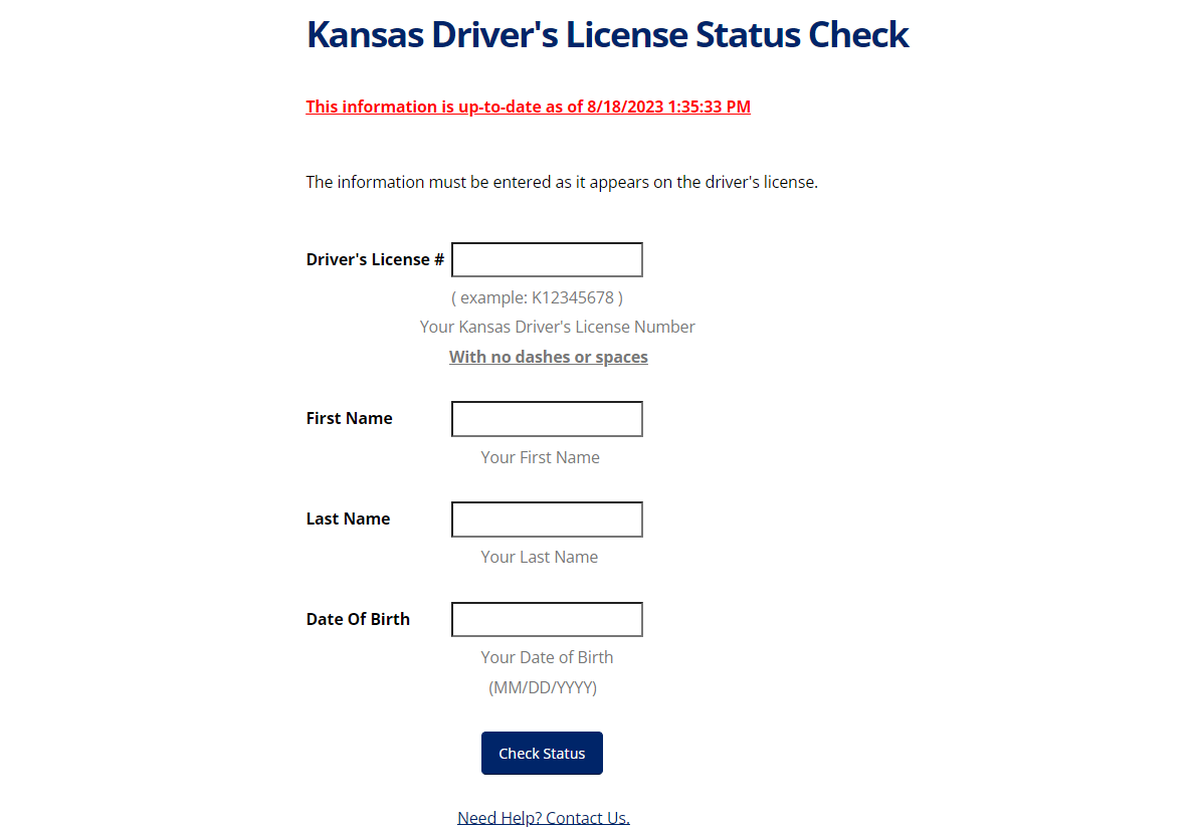
One Kansas Department of Revenue page allows drivers to look up the status of a driver’s license by entering the license number, the driver’s full name and their date of birth.
It’s possible to look up the status of anyone’s driver’s license if you have these three pieces of information.
Did the Marion County Record use this website?
Marion County Record editor Eric Meyer confirmed to The Star that a reporter did use this webpage to look up Kari Newell’s driving record. But he said that they only did so because the newspaper had the driving record already in hand.
A source sent the document to the Record over social media, and the newspaper was merely trying to verify its accuracy, Meyer said.
“We weren’t trying to steal anything — we were trying to verify a document,” Meyer said. “One of our reporters did look at (the DOR page) to verify that what we had been given was the same document that was available there.”
To do so, the reporter entered Newell’s name, date of birth and driver’s license number — which were already listed on the document — into the Department of Revenue’s website.
The state’s records matched the document sent to the newspaper, confirming Newell’s license had been suspended for years due to past DUIs.
“Those are all a matter of public record,” Meyer said.
Could using this website to access driving records count as “identity theft”?
Identity theft is broadly defined in Kansas statute as having, obtaining or using “personal identifying information” to defraud or misrepresent a person.
The law’s definition of “personal identifying information” includes driver’s license numbers and cards as well as nondriver’s identification numbers and cards.
Overland Park-based criminal defense lawyer Paul Darrell Cramm told The Star that simply accessing a public record, even if you do so using someone else’s information, doesn’t count as identity theft.
“Accessing a record to know what it says is not the same thing as using the information contained in that record to perpetrate some sort of a fraud,” Cramm said. “If they don’t use the information to try to trick someone into thinking something that isn’t true about someone’s identity, I don’t know how they call that identity theft.”
Cramm said that someone else’s driver’s license number may count as private information — but it’s a “murky” legal area, and knowing this number alone isn’t the same as using it for illegal purposes.
“It’s not just a matter of knowing the information, it’s a matter of using the information to, for example, open up an account (in someone else’s name),” he said.
“I may know the information, but if I don’t try to make use of that information for some sort of primarily economic benefit, I don’t think that’s identity theft.”
Do you have more questions about identity theft in Kansas? Ask the Service Journalism team at kcq@kcstar.com.
.jpg)

.png)