Latest on Kansas newspaper raid: KBI takes over case; search warrant withdrawn
READ MORE
Kansas newspaper controversy
A police raid Friday on a local newspaper in Marion, Kansas, sparked First Amendment concerns across the country.
Expand All
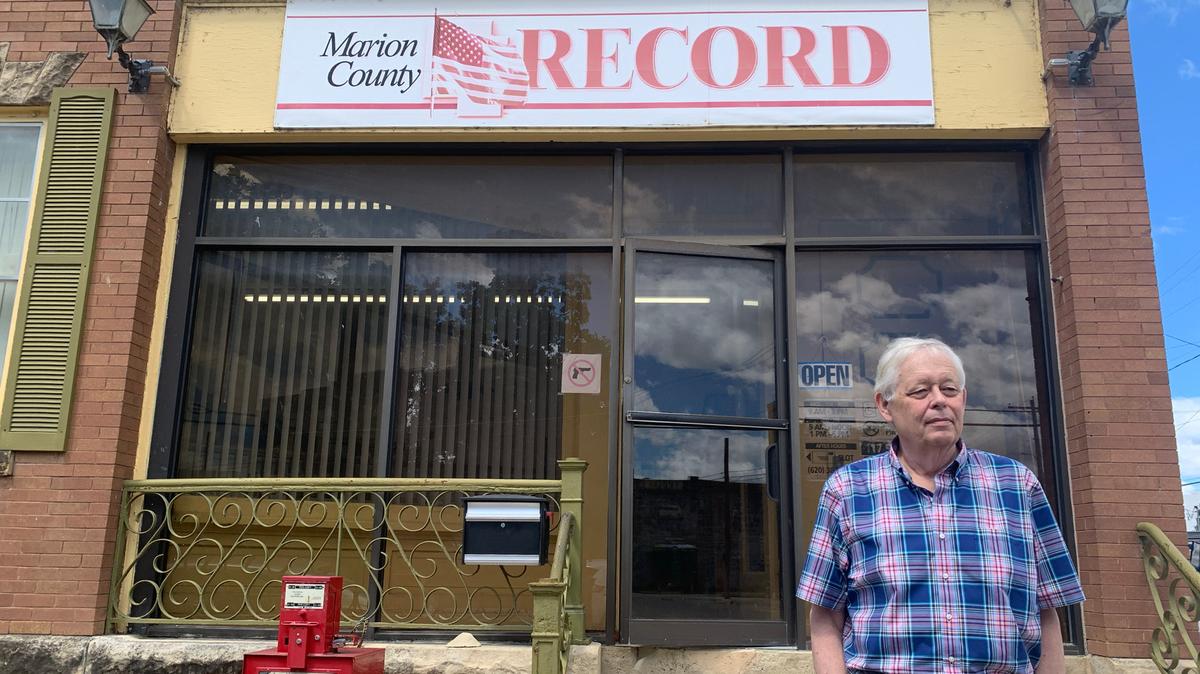
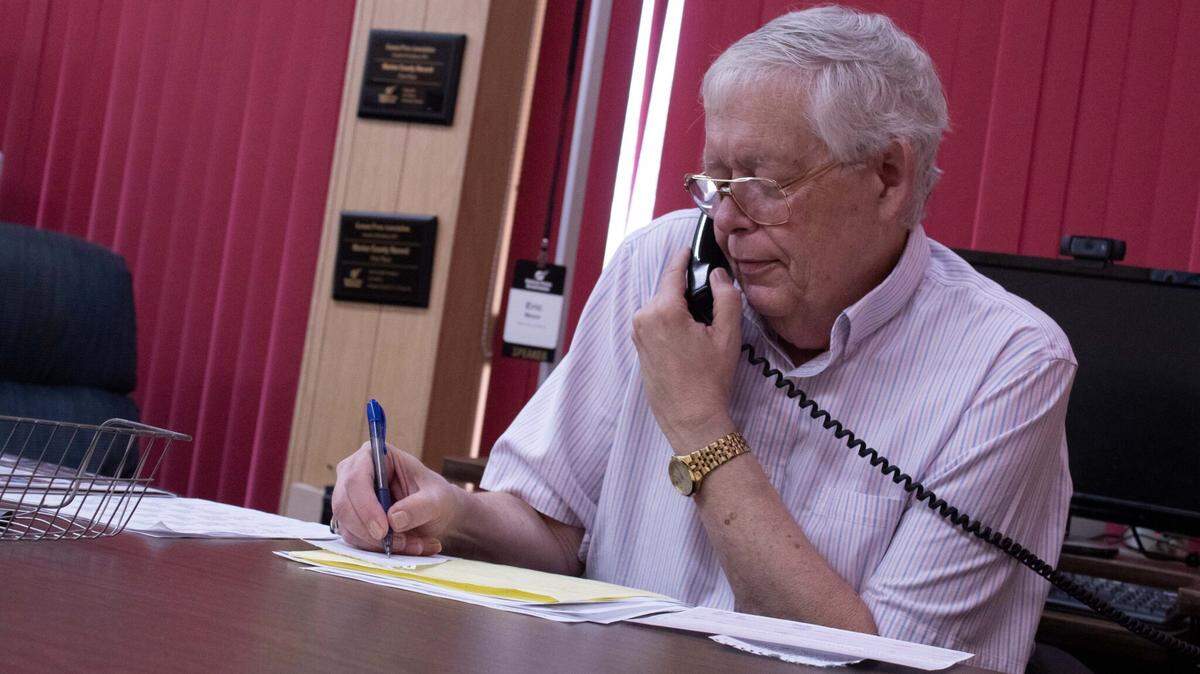
New developments are unfolding in the case of the Marion, Kansas, newspaper raided by police on Friday. The homes of a local city councilwoman and the paper’s editor and publisher were also searched.
Now, the Kansas Bureau of Investigation has taken over the case — and the governor has weighed in.
And, on Wednesday, the newspaper’s lawyer said the prosecutor in the case is withdrawing the search warrant used to raid the newsroom.
Get caught up on the latest developments with these five things to know.
Search warrant on newsroom withdrawn, lawyer says
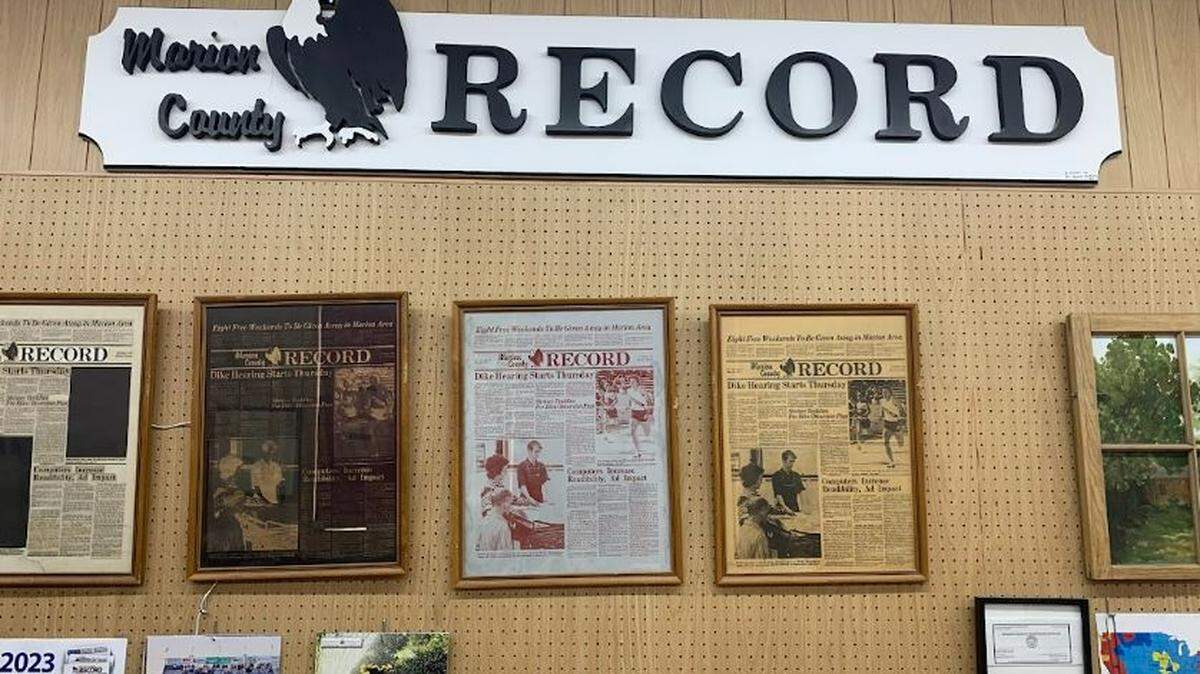
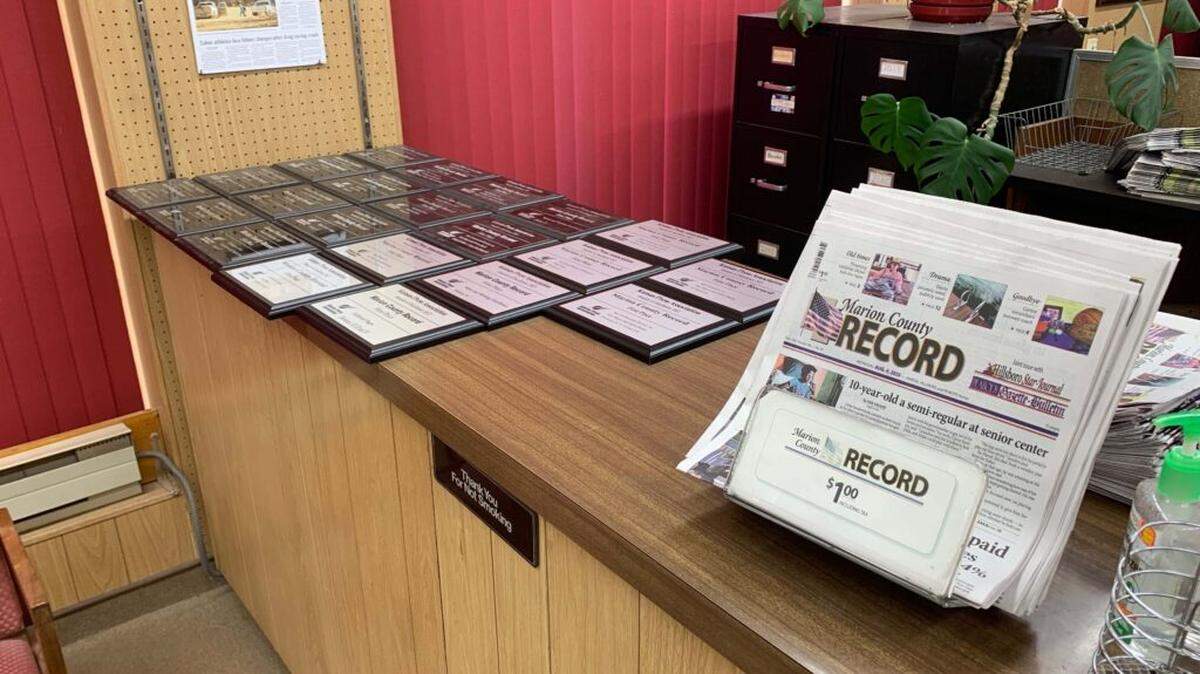
The prosecutor in Marion County has withdrawn the search warrant executed at a small-town Kansas newspaper that was raided Friday by police, the paper’s lawyer said Wednesday.
All electronic devices seized by police will be returned to the Marion County Record, said Bernie Rhodes, a Kansas City-based attorney for the Record who also represents The Star.
“We have stopped the hemorrhaging,” Rhodes told The Star. “But it does nothing about taking care of the damage that has already occurred from the violation of the First Amendment in the first place.”
Rhodes called the decision a step in the right direction and said it indicates a clear change since the Kansas Bureau of Investigation took over the case from local police earlier this week.
Read more: Warrant for ‘chilling’ raid on Kansas newspaper withdrawn by prosecutor, lawyer says
KBI has taken over the investigation
The Kansas Bureau of Investigation became the “lead law enforcement agency” in the investigation of the Marion County Record on Monday, The Star’s Jonathan Shorman reports.
KBI spokesperson Melissa Underwood told The Star that the agency will “review prior steps taken and work to determine how best to proceed with the case,” which involved a search warrant suggesting that the newspaper’s offices contained evidence of identity theft and improper use of computers.
It’s unclear why the KBI, a state agency based in Topeka which provides advanced law enforcement services like forensic lab testing and special operations, has taken over this case.
Read more: KBI takes lead in Marion investigation following police raid of local newspaper
Newspaper’s lawyer demands police not search seized documents
In a strongly worded letter Sunday, Marion County Record attorney Bernie Rhodes demanded that authorities not review the documents and materials they seized in Friday’s raid. Rhodes also represents The Star.
“The computers, cell phones and other items you illegally seized contain the identity of confidential sources, as well as information provided by those confidential sources,” Rhodes’ letter says. “This information is protected by both federal and state law.”
Rhodes also pointed to a “shield law” that protects journalists in Kansas from seizure of their materials without a hearing.
Read more: Raided Kansas paper’s lawyer demands police chief not review info from ‘illegal searches’
Police had a search warrant — but is that enough to search a newsroom?
In order to get a search warrant in Kansas, officers or others must convince a judge that they have cause to believe a crime has been (or will be) committed.
Police in Marion did that — but the Privacy Protection Act of 1980 establishes stricter guidelines for searching journalists’ materials than for most other documents.
Under this federal law, materials can only be seized without a court subpoena if a reporter is suspected of a crime, the documents are needed to prevent a death or serious injury or if police believe the documents will be destroyed if they are not immediately seized.
The warrant to search the Record’s offices indicated that police suspected “identity theft” and “unlawful acts concerning computers” had occurred.
A state “shield law” that protects journalists from seizures of their materials indicates that a hearing is necessary before seizing documents from a news agency.
In order to seize a journalist’s documents, law enforcement must prove in court that the information they want is relevant to a case, can’t be obtained through other means and is of a “compelling interest,” meaning it could prevent a crime or harm coming to a person.
“Interests that are not compelling include, but are not limited to, those of parties whose litigation lacks sufficient grounds, is abusive or is brought in bad faith,” the state statute reads.
Read more: When can police raid a newspaper like the Marion County Record? Here’s what the law says
The newspaper had previously investigated Marion’s new police chief
The Record had previously investigated Marion’s new police chief, Gideon Cody, at the time of the raid. Cody had recently started the job after 24 years as a captain with the KCPD.
Meyer declined to comment on the exact nature of the investigation, but characterized “the charges as serious.” The paper informed city officials of allegations against Cody, but had not published anything about them at the time of the raid.
Cody led the raid Friday based on a search warrant.
“I have already been vetted. They’ve (the newspaper) actually did a background on me. And that’s why they chose not to (publish a story),” Cody said in a Sunday interview with The Star.
“However, if they can muddy the water, make my credibility look bad, I totally get it. They’re gonna try to do everything they possibly can.”
Read more: Kansas newspaper raided, shut down by police had investigated chief who came from KCPD
The Star’s Jonathan Shorman, Katie Bernard, Glenn E. Rice, Judy Thomas and Luke Nozicka contributed.
Do you have more questions about the police raid at a Kansas newspaper office? Ask the Service Journalism team at kcq@kcstar.com.
This story was originally published August 15, 2023 at 12:00 PM.
.jpg)

.png)