Missourians to vote on plan to phase out state income tax in August
AI-generated summary reviewed by our newsroom.
- Missourians will vote Aug. 4 on an amendment letting lawmakers replace the income tax.
- The amendment would let lawmakers raise sales and use taxes to replace income tax revenue.
- The Missouri Budget Project said the plan could cut state general revenue by $8.5 billion.
Missouri voters will decide in August whether to approve a constitutional amendment that would give lawmakers broad authority to raise sales and use taxes with the goal of replacing the state’s income tax.
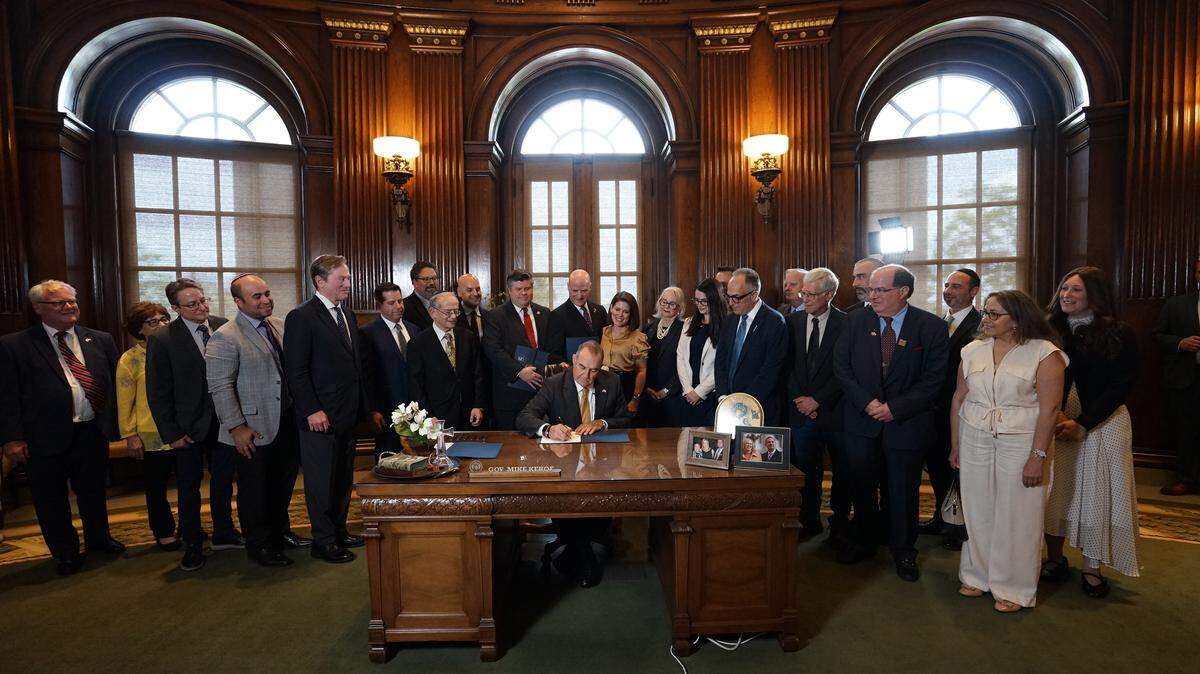
Gov. Mike Kehoe announced Friday that the measure would appear on the statewide ballot in the Aug. 4 election after promoting the proposal since January.
“Modernizing Missouri’s outdated tax code, specifically, will be a momentous task for the Missouri General Assembly, and placing the measure to phase out Missouri’s income tax on the August ballot gives lawmakers additional time to prepare for the next phase of implementation,” Kehoe said in a Friday release announcing the moves.
The eventual goal of the proposal would replace the income tax with expanded sales and use taxes over several years. Which taxes would be raised to offset the income tax would be decided by future lawmakers.
Supporters argue that states without income taxes have seen faster economic and population growth, and say the proposal would make Missouri more competitive while allowing residents to keep more of their earnings.
Critics of the plan have warned that the proposal could mirror the ill-fated “Kansas tax experiment” implemented by former Gov. Sam Brownback. Republican lawmakers eventually reversed course on Brownback’s tax reforms amid a state budget crisis.
They also argue the proposal would shift more of the tax burden onto lower-income Missourians by relying more heavily on sales taxes.
An opposition group called Missourians for Fair Taxation has dubbed the proposal an “Everything Tax” and said that the proposal would trick voters into raising other taxes.
“Amendment 5 is so vague, even the State Auditor cannot say how much taxes could ultimately go up, which means Missourians are being asked to approve a constitutional change without knowing the full impact to their own pocketbooks,” said Scott Charton, a spokesperson for the group.
The Missouri Budget Project estimated the proposal could reduce state general revenue by up to $8.5 billion, which it said equals 62.4% of Missouri’s general revenue budget.
The ballot language reads that a “yes” vote would:
- Phase out the individual income tax based on revenue growth;
- Reduce personal property and other local taxes when local revenues increase;
- Modify the sales and use tax to eliminate income tax and reduce local taxes;
- Protect local funding for public schools and other purposes.
While a “no” vote would leave the current tax structure in place.
“If passed, implementing legislation will have an unknown impact to state and local tax revenue,” according to the amendment on the Missouri Secretary of State’s website.
A Saint Louis University poll from February showed that Missourians broadly preferred the state relying more on sales taxes rather than income taxes, but were also opposed to raising sales taxes or imposing taxes on currently untaxed services.